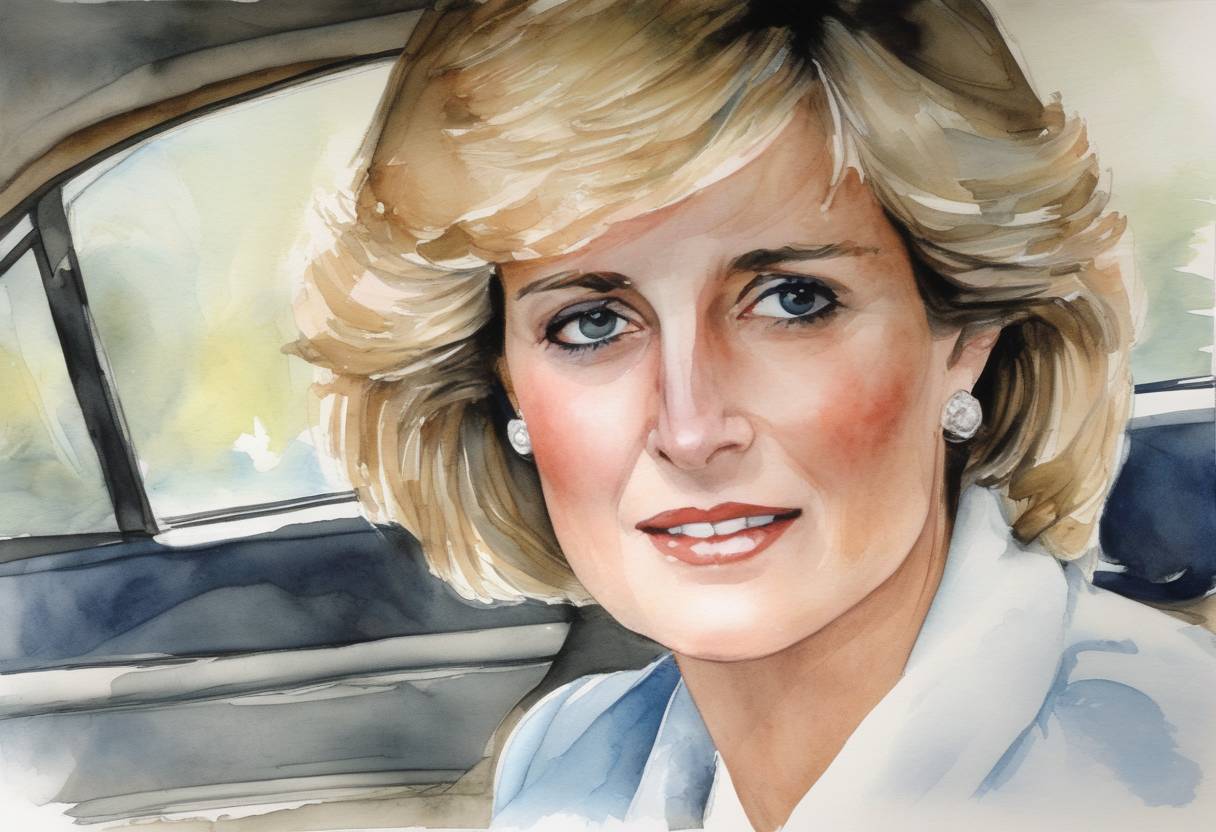
The Death of Diana, Princess of Wales
On August 31, 1997, Diana, Princess of Wales, tragically died in a car crash in Paris, France. This event marked a significant moment in modern history, capturing global attention and leading to an outpouring of public grief.
Context and Background
Diana Spencer, born on July 1, 1961, became the Princess of Wales upon her marriage to Charles, Prince of Wales, in 1981. She quickly became a beloved public figure, known for her charitable work and her ability to connect with people from all walks of life. Despite her public persona, Diana’s personal life was often tumultuous, marked by her highly publicized separation and eventual divorce from Prince Charles in 1996.
The Events of August 31, 1997
- Location: The crash occurred in the Pont de l’Alma tunnel in Paris.
- Circumstances: Diana was traveling with her companion, Dodi Fayed, the son of Egyptian billionaire Mohamed Al-Fayed, and their driver, Henri Paul. They were attempting to evade paparazzi photographers when the crash happened.
- Fatalities: The crash resulted in the deaths of Diana, Dodi Fayed, and Henri Paul. Trevor Rees-Jones, Diana’s bodyguard, was the sole survivor, though he sustained serious injuries.
- Public Reaction: The death of Diana led to an unprecedented global outpouring of grief. In the UK, thousands of mourners left flowers, messages, and tributes outside Kensington Palace, her London residence.
- Media Scrutiny: The role of the paparazzi in the events leading up to the crash was heavily scrutinized, sparking debates about media ethics and privacy.
Investigation and Findings
- Initial Investigations: French authorities conducted an investigation, concluding that the crash was caused by the driver, Henri Paul, who was found to have been under the influence of alcohol and prescription drugs.
- Operation Paget: In 2004, the UK Metropolitan Police launched Operation Paget to investigate conspiracy theories surrounding the crash. The inquiry, completed in 2006, upheld the initial findings, attributing the crash to reckless driving by Henri Paul and the pursuing paparazzi.
Broader Historical Significance
- Impact on the British Monarchy: Diana’s death prompted a period of reflection and change within the British monarchy, leading to a more modern and approachable royal family.
- Legacy: Diana’s humanitarian work, particularly her efforts to combat landmines and her advocacy for HIV/AIDS awareness, continues to influence charitable causes worldwide.
Diana, Princess of Wales, remains a figure of enduring interest and affection, her life and legacy continuing to captivate and inspire people across the globe.