François Tombalbaye Becomes First Prime Minister of Chad - September 2, 1958
1958 · N'Djamena, Chad
Chadian politician François Tombalbaye becomes first Prime Minister of Chad.
December 23, 2005
Chad declared a state of war with Sudan, accusing it of supporting Chadian rebels. This declaration marked a significant escalation in tensions between the two countries, contributing to regional instability in Central Africa.
N'Djamena, Chad | Government of Chad
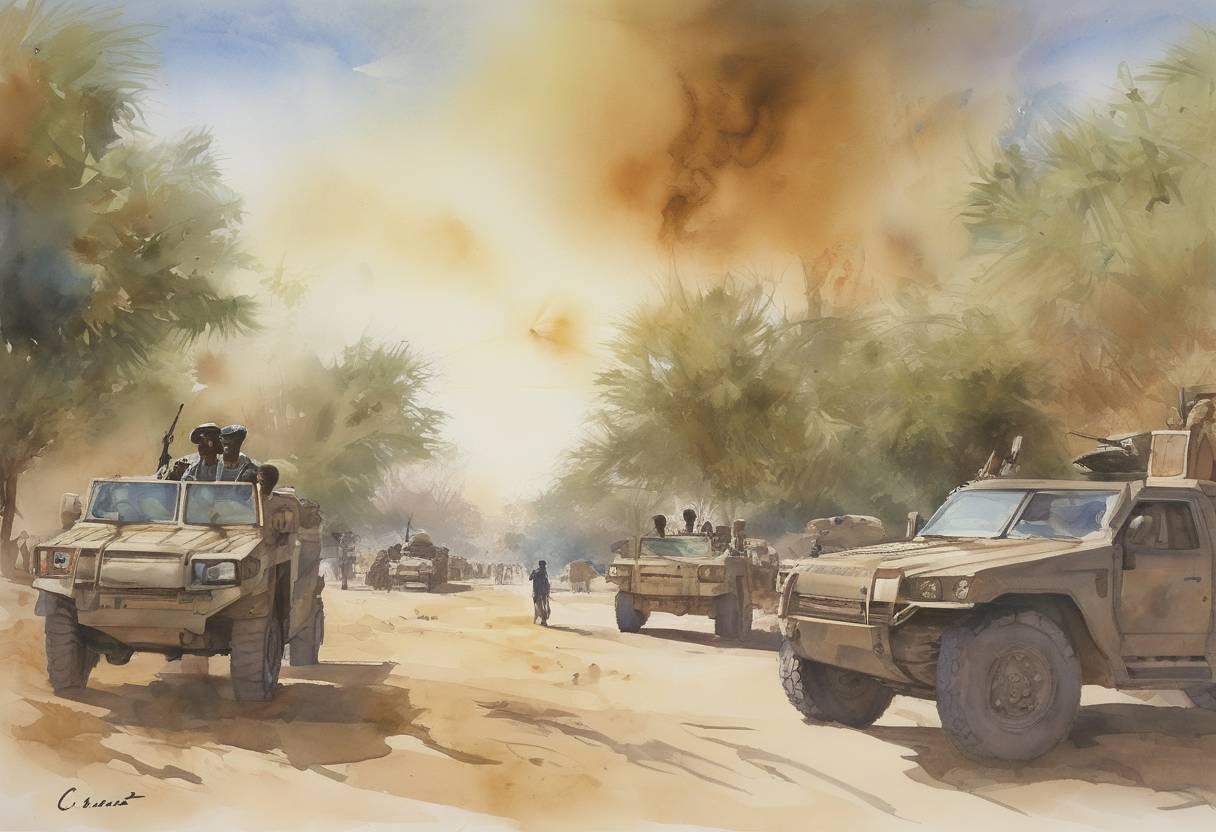
On December 23, 2005, Chad declared a state of war with Sudan, marking a significant escalation in the already tense relations between the two neighboring countries. This declaration was a response to Chad’s accusations that Sudan was supporting Chadian rebels, which contributed to regional instability in Central Africa.
The tensions between Chad and Sudan had been simmering for years, primarily due to the complex ethnic and political dynamics in the region. The Darfur conflict in Sudan, which began in 2003, had already destabilized the area, leading to a humanitarian crisis and the displacement of thousands of people into Chad. This influx of refugees added strain to Chad’s resources and heightened tensions between the two nations.
Rebel Activity: Chad accused Sudan of backing Chadian rebel groups, particularly the United Front for Democratic Change (UFDC), which had launched attacks against the Chadian government. These groups were reportedly operating from bases within Sudanese territory.
Cross-Border Incidents: There were several cross-border skirmishes and incursions, which Chad attributed to Sudanese support for the rebels. These incidents exacerbated the already fragile security situation along the Chad-Sudan border.
Diplomatic Strain: Prior to the declaration, diplomatic relations between Chad and Sudan had deteriorated, with both countries accusing each other of destabilizing actions and interference in internal affairs.
On December 23, 2005, Chad’s President Idriss Déby officially declared a state of war with Sudan. This announcement was made in response to what Chad perceived as direct aggression from Sudan through its support of rebel factions. The declaration was a formal acknowledgment of the hostilities and a call for national mobilization to defend Chad’s sovereignty.
Regional Instability: The declaration heightened regional instability, as both countries were already dealing with internal conflicts and humanitarian crises. The war declaration threatened to spill over into a broader regional conflict.
International Response: The international community, including the African Union and the United Nations, expressed concern over the escalation and called for dialogue and peaceful resolution. Efforts were made to mediate between the two countries to prevent further conflict.
Continued Tensions: Despite the declaration, the conflict did not immediately escalate into full-scale war. However, tensions remained high, and sporadic clashes continued along the border. The situation underscored the need for comprehensive peace efforts in the region.
The declaration of war by Chad against Sudan in 2005 highlighted the complex interplay of ethnic, political, and regional dynamics in Central Africa. It underscored the challenges of managing cross-border conflicts and the impact of internal strife on neighboring countries. The event also illustrated the difficulties faced by international organizations in mediating and resolving such conflicts in a region marked by historical grievances and ongoing instability.
Source: www.bbc.com