The Death of Elvis Presley: August 16, 1977
1977 · Memphis, United States
Elvis Presley, the 'King of Rock and Roll,' died at his Graceland estate in Memphis, Tennessee, at the age of 42.
January 23, 1986
The first inductees into the Rock and Roll Hall of Fame are announced, including Elvis Presley, Chuck Berry, and James Brown.
Cleveland, United States | Rock and Roll Hall of Fame
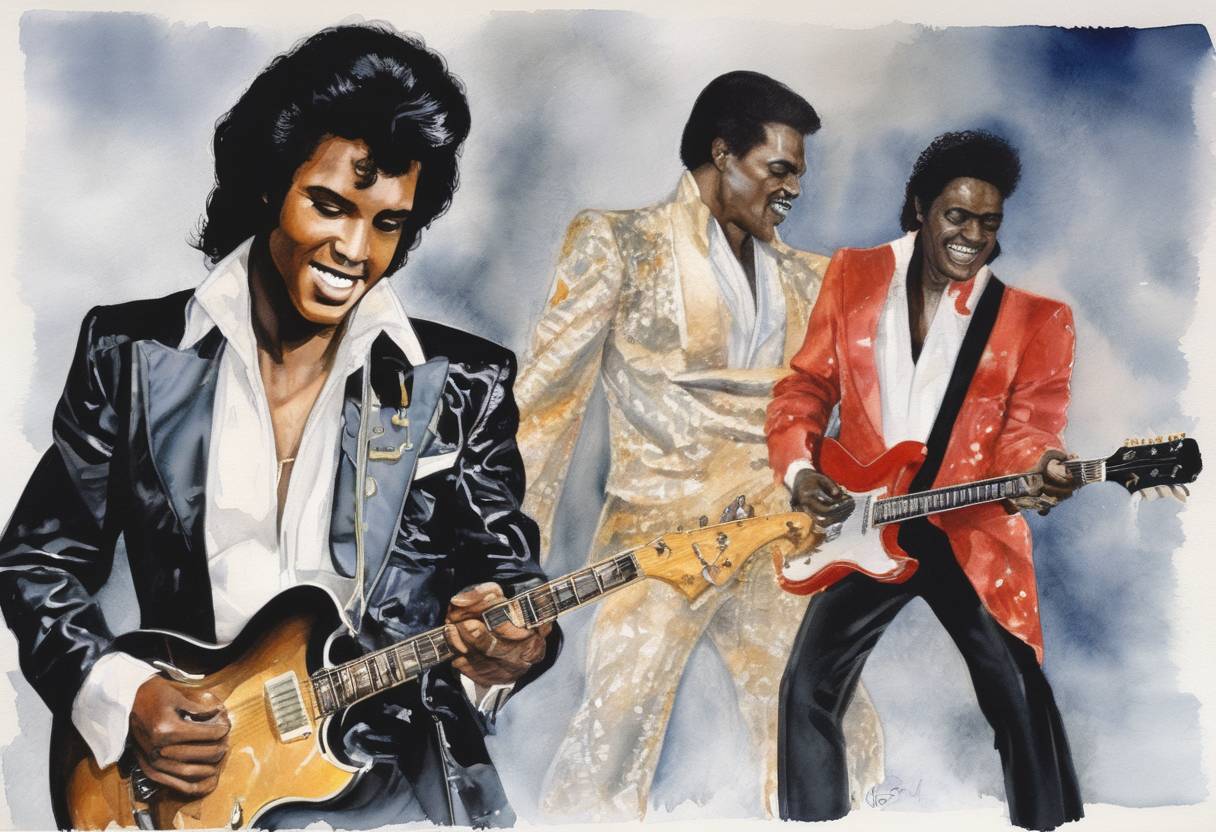
On January 23, 1986, the Rock and Roll Hall of Fame announced its first group of inductees, marking a significant moment in the recognition of rock and roll music’s impact on culture and society. This inaugural class included some of the most influential and pioneering figures in the genre, such as Elvis Presley, Chuck Berry, and James Brown. These artists were celebrated not only for their musical contributions but also for their roles in shaping the evolution of rock and roll.
The Rock and Roll Hall of Fame was established in 1983 by a group of music industry leaders, including Atlantic Records founder Ahmet Ertegun. The goal was to honor artists who had made significant contributions to the development and perpetuation of rock and roll. The Hall of Fame aimed to preserve the history of the genre and educate the public about its cultural significance.
The induction of these artists into the Rock and Roll Hall of Fame underscored the genre’s diverse roots and its ability to transcend cultural and racial barriers. The Hall of Fame’s recognition of these musicians highlighted their contributions to not only music but also to the broader cultural and social movements of their time.
The establishment of the Rock and Roll Hall of Fame and its first induction ceremony set a precedent for honoring musical excellence and innovation. It has since become an annual event, celebrating a wide array of artists who have shaped the music industry. The Hall of Fame itself, located in Cleveland, Ohio, serves as a museum and educational institution, preserving the legacy of rock and roll for future generations.
The 1986 induction ceremony was a landmark event that celebrated the achievements of some of rock and roll’s most legendary figures, ensuring their contributions would be remembered and appreciated for years to come.
Source: en.wikipedia.org