The Birth of Elizabeth Jordan Carr: America's First Test-Tube Baby
1981 · Norfolk, United States
The first American test-tube baby, Elizabeth Jordan Carr, was born in Norfolk, Virginia.
November 1, 1939
The first rabbit born via artificial insemination is announced by scientists in the United States.
Philadelphia, United States | School of Veterinary Medicine, University of Pennsylvania
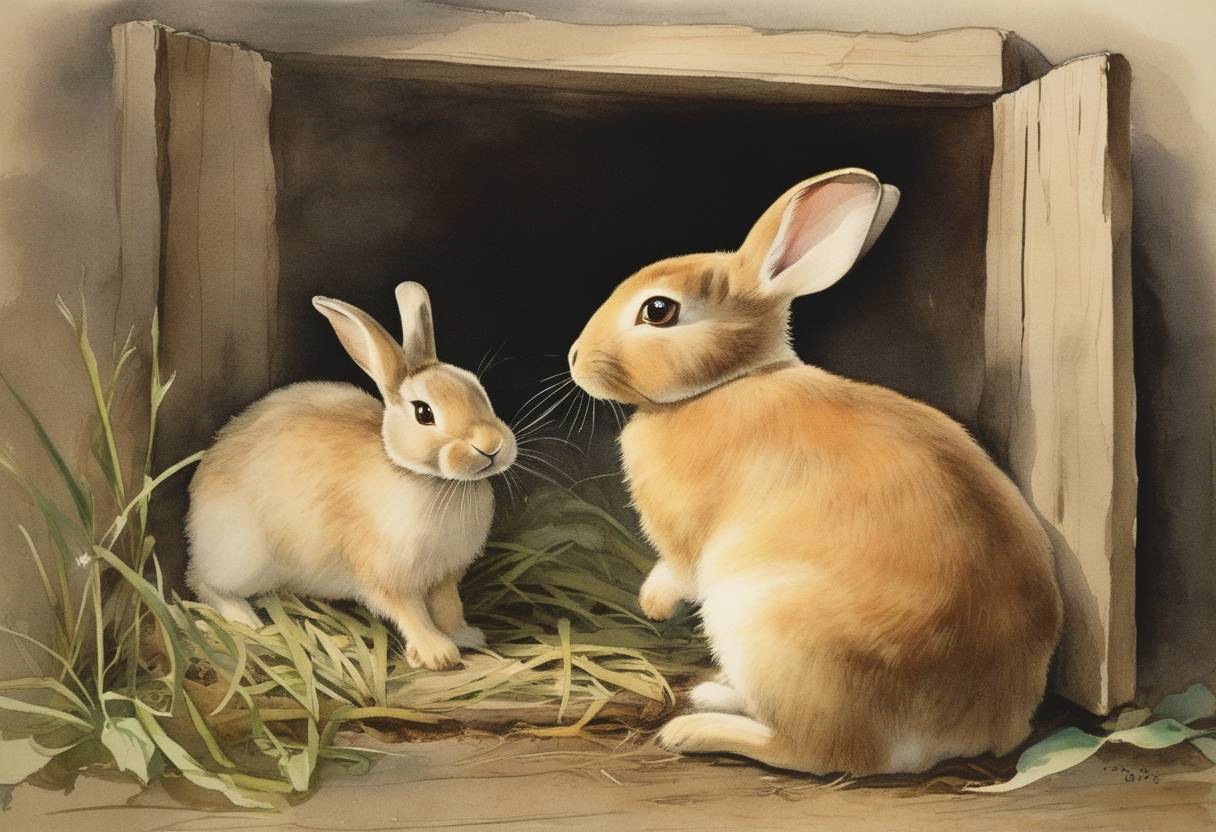
On November 1, 1939, a groundbreaking development in the field of reproductive science was announced in the United States: the successful birth of the first rabbit conceived through artificial insemination. This event marked a pivotal moment in biological science, highlighting the potential of artificial insemination in animal breeding and agricultural practices.
Before this achievement, the concept of artificial insemination had been explored but had not reached the level of success that would impact modern agriculture and animal husbandry. The methodological advancements and understanding of reproductive biology were necessary precursors for such an accomplishment.
The process involved collecting sperm from a male rabbit and artificially introducing it to a female rabbit’s reproductive tract. The procedure required a thorough understanding of the reproductive cycle of the species, careful handling of genetic material, and sterile conditions to ensure viability and prevent infections.
The successful birth of a rabbit through artificial insemination opened new avenues in the field of genetics and breeding. It enabled a more controlled study of heredity and genetic engineering, laying the groundwork for improving livestock breeds, enhancing desirable traits, and accelerating breeding programs.
Furthermore, this achievement spurred interest in broader applications of artificial insemination across different species, revolutionizing sectors such as agriculture, zoology, and even human fertility treatments in later decades.
The announcement of this successful birth marked a significant milestone in the scientific community. It paved the way for further research and technological developments, eventually leading to widespread use of artificial insemination in various species, thus enhancing production efficiency and genetic diversity in livestock.
Source: en.wikipedia.org