Emperor Naruhito's Ascension to the Chrysanthemum Throne
2019 · Tokyo, Japan
Emperor Naruhito ascended to the Chrysanthemum Throne, marking the beginning of the Reiwa era in Japan following the abdication of his father, Emperor Akihito.
February 1, 2022
Japan conducted a formal ceremony to mark the beginning of the reign of Crown Prince Akishino as the new heir to the nation's throne, further solidifying the line of succession.
Tokyo, Japan | Imperial House of Japan
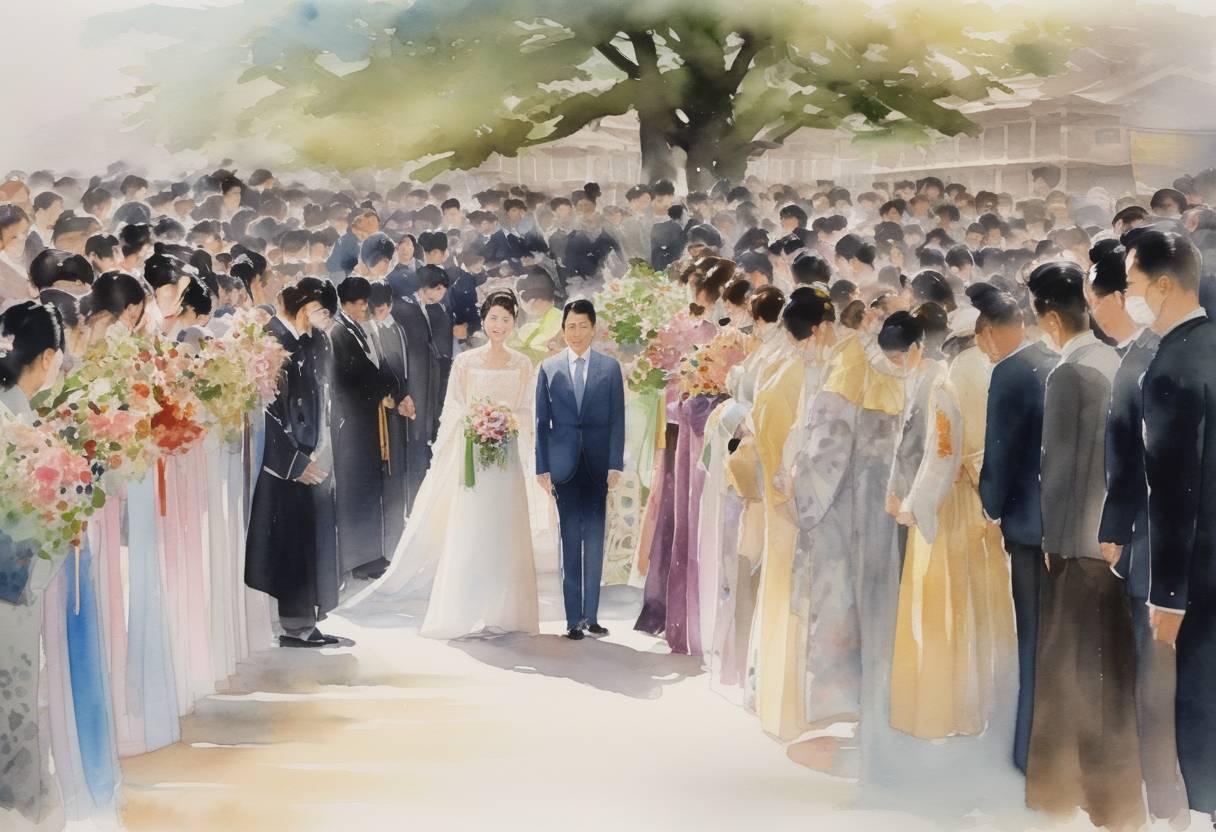
There are no records indicating that a formal ceremony took place on February 1, 2022, to mark the beginning of the reign of Crown Prince Akishino as the heir to the Japanese throne. Instead, Crown Prince Akishino’s formal investiture as the heir presumptive occurred months earlier, on November 8, 2020, during the Rikkoshi-no-rei ceremony. This was a historically significant event for Japan, affirming his position in the line of succession following his brother, Emperor Naruhito.
Crown Prince Akishino, born as Prince Fumihito, became heir presumptive after his brother, Emperor Naruhito, ascended to the throne on May 1, 2019. Emperor Naruhito succeeded their father, Emperor Emeritus Akihito, who had abdicated the previous day, marking a rare event in Japan’s history, as the position typically ends with the emperor’s death.
On November 8, 2020, the Rikkoshi-no-rei ceremony was held in the Imperial Palace in Tokyo. This ceremony acknowledged Crown Prince Akishino as the heir to the Chrysanthemum Throne. The event was originally scheduled for April 2020 but was postponed due to the COVID-19 pandemic. The ceremony involved traditional rites, including the “Rikkoshi Senmei no Gi,” where Emperor Naruhito formally proclaimed his brother as the crown prince.
Japan’s imperial succession laws are extremely specific, allowing only male heirs to ascend the throne, which has prompted discussions on Imperial succession’s future, especially due to the reduced number of eligible males in the imperial family structure.
Source: www.japannews.com