The Chartering of The Collegiate School of Connecticut (Yale University)
1701 · Old Saybrook, United States
The Collegiate School of Connecticut, later renamed Yale University, was chartered in Old Saybrook, Connecticut.
February 8, 1693
The College of William & Mary in Williamsburg, Virginia, was granted a royal charter by King William III and Queen Mary II of England. It is the second-oldest institution of higher learning in the United States, after Harvard University.
Williamsburg, American Colonies | College of William & Mary
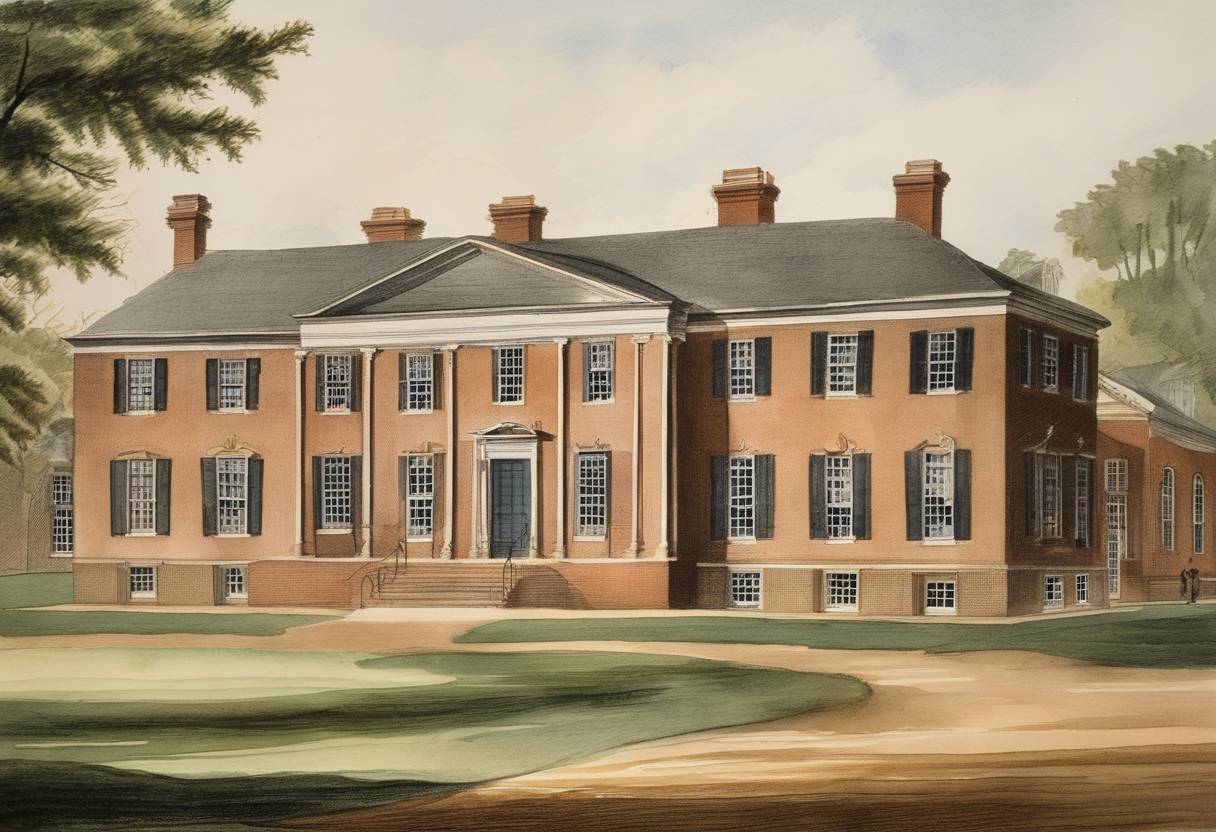
On February 8, 1693, the College of William & Mary in Williamsburg, Virginia, was granted a royal charter by King William III and Queen Mary II of England. This charter established the college as the second-oldest institution of higher learning in the United States, following Harvard University, which was founded in 1636.
The late 17th century in colonial America was a period marked by the proliferation of educational endeavors amidst the emerging enlightenment ideas. The Virginia Colony, one of the first and largest English colonies in North America, was in need of institutions to educate clergy and public servants. With the increasing importance of religion and governance in colonial society, the establishment of an academic institution became a priority.
The initiative to establish the College of William & Mary stemmed from the efforts of James Blair, the first president of the college. Blair, an Anglican clergyman, strongly advocated for higher education and sought to provide training for both clergy and civil leaders in the colony. His persistent efforts led to the successful procurement of a royal charter, which was an official document ensuring the college’s operation and governance under royal endorsement.
The royal charter granted by King William III and Queen Mary II solidified the college’s foundation and governance structure. This significant document allowed the college to:
The establishment of the College of William & Mary marked a pivotal moment in the educational and cultural development of colonial America. As a center for higher learning, it helped pave the way for the Enlightenment thought that would later influence the American Revolution and the formation of the United States.
The college produced numerous influential figures in American history, including three U.S. Presidents: Thomas Jefferson, James Monroe, and John Tyler. It also became a leader in developing educational standards and curriculum that influenced other institutions.
February 8, 1693, marked a significant milestone in American higher education history with the founding of the College of William & Mary. The royal charter not only established the institution as a key player in American academia but also contributed to the socio-political evolution of the nascent colonial society in Virginia and beyond.
Source: www.wm.edu