Grenfell Tower Fire - June 14, 2017
2017 · London, United Kingdom
A fire broke out in the Grenfell Tower, a residential high-rise building in North Kensington, London, resulting in 72 fatalities.
May 20, 1840
York Minster, one of the largest Gothic cathedrals in Northern Europe, suffers its second major fire.
York, United Kingdom | York Minster
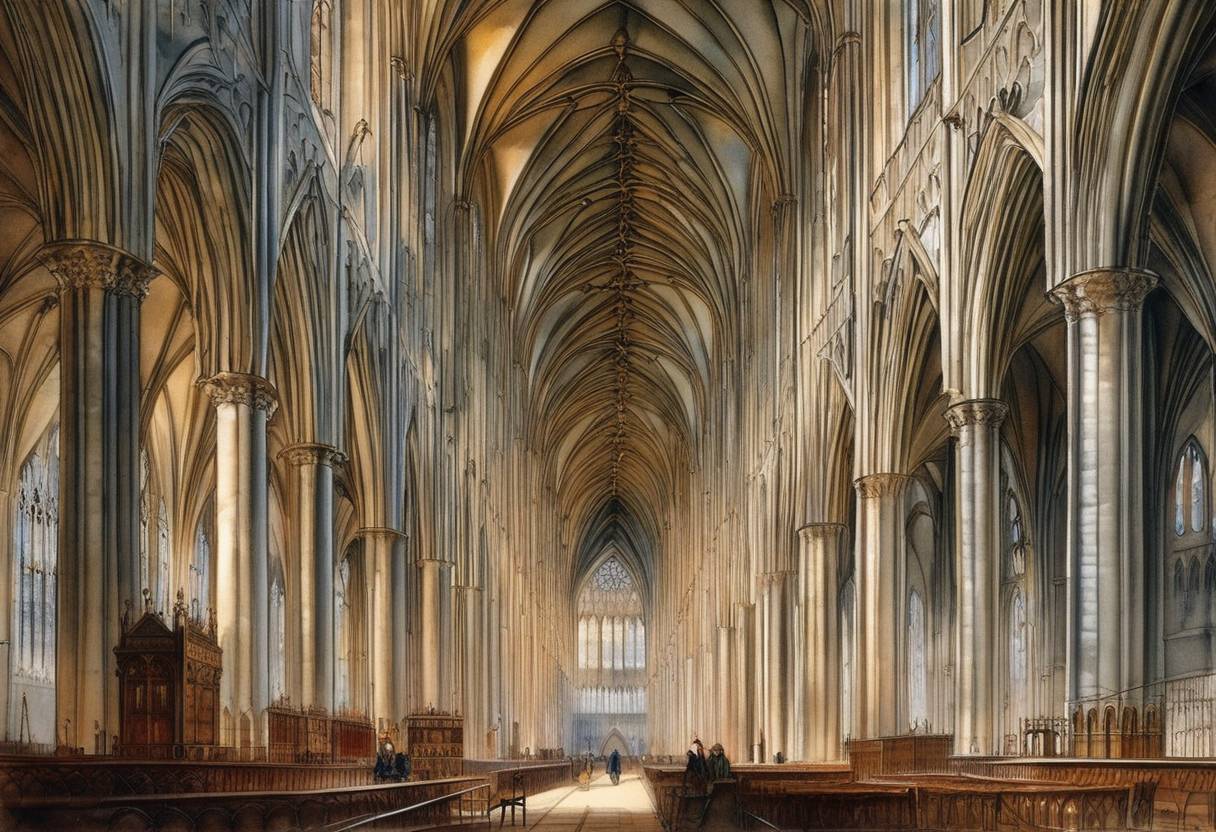
On May 20, 1840, York Minster, a grand example of Gothic architecture in Northern England, experienced its second major fire, causing significant damage to the iconic cathedral. This cathedral, located in York, England, is one of the largest of its kind in Northern Europe and has a rich history dating back to its original construction phases starting in the 13th century.
York Minster has long been at the spiritual and historical heart of the Church of England in the north. The construction of this architectural marvel began in the 13th century, and it was consecrated in 1472. As an emblem of religious and civic pride, the Minster has faced numerous adversities over the centuries, including fires.
The fire on May 20, 1840, demolished parts of the nave’s roof and severely damaged some sections of the Minster. Investigations at the time suggested that the inferno likely started when candle flames inadvertently ignited wooden materials, possibly exacerbated by the dry conditions of the day.
The devastation was extensive, with interior furnishings and structural elements charred or obliterated. However, the response was swift. A restoration effort commenced shortly after, spearheaded by the prominent architect George Gilbert Scott, who was known for his expertise in restoring ecclesiastical buildings. Efforts were made to both restore and preserve the historical and architectural integrity of the structure.
This incident marks one of several significant episodes in the life of York Minster, epitomizing both its vulnerability and the ongoing commitment to maintain its grandeur. The post-fire restorations reinforced the Minster’s role as a living testament to the perseverance and skilled craftmanship typical of the era. Subsequent restorations and events have continued to shape its legacy, embedding York Minster as an enduring symbol of English Gothic architecture and religious continuity.
The 1840 fire underscores the challenges in preserving historical monuments and serves as a reminder of the importance of disaster preparedness in heritage conservation.
Source: en.wikipedia.org