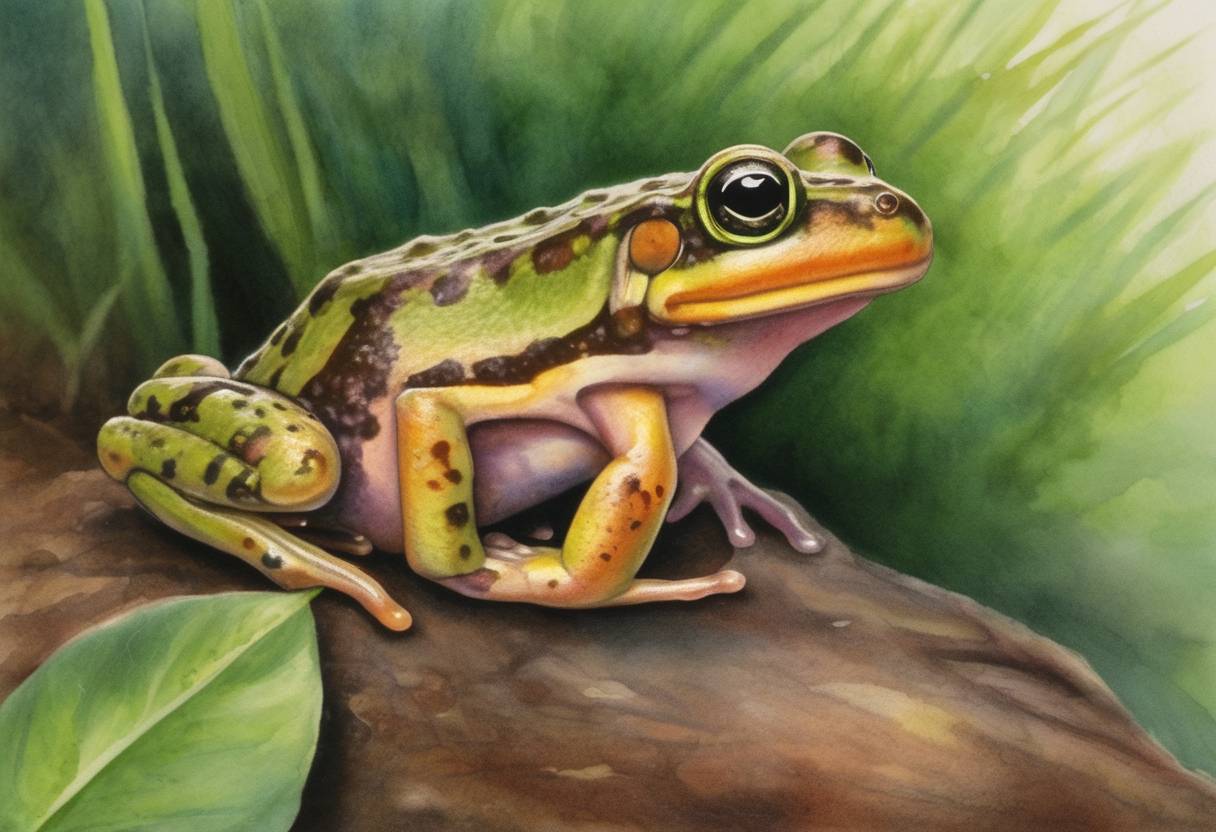
Discovery of the World’s Smallest Known Frog
On August 15, 2009, Australian scientists announced the discovery of the world’s smallest known frog species on the island of Papua New Guinea. Coinciding with the study of unique biodiversity in the region, this remarkable finding highlighted the rich and diverse ecosystems of Papua New Guinea.
The Discovery
The frog, belonging to the genus Paedophryne, was identified as Paedophryne amauensis. It measures an average of just 7.7 millimeters in length, making it not only the smallest frog but also one of the smallest vertebrates known to science. The discovery was part of a larger survey conducted by scientists examining the amphibian population in Papua New Guinea, aiming to understand better the biodiversity of such a remote and ecologically rich area.
Significance
Biodiversity Highlight: The discovery of Paedophryne amauensis underscored the incredibly diverse and often uncharted nature of Papua New Guinea’s wildlife, offering new insights into evolutionary processes at work in isolated environments.
Conservation Implications: Recognizing such small and delicate species raised awareness about the importance of conserving their unique habitats, often threatened by environmental changes and human activities.
Scientific Recognition: This finding was a testament to the meticulous work carried out by scientists in often challenging conditions, showcasing the potential for discovering new species in relatively unexplored parts of the world.
Broader Context
The discovery of this diminutive frog added to a growing list of discoveries in Papua New Guinea, a region known for its high levels of endemism and biodiversity. It emphasized the importance of comprehensive scientific exploration and the continuous need for conservation efforts to protect such irreplaceable natural resources.