The Dayton Agreement: A Turning Point in the Bosnian War
1995 · Dayton, United States
The Dayton Agreement was initialed in Dayton, Ohio, ending the Bosnian War and outlining a general framework for peace in Bosnia and Herzegovina.
December 14, 1995
The Dayton Agreement is signed in Paris, ending the Bosnian War and outlining the framework for the future political structure of Bosnia and Herzegovina.
Paris, France | Bosnia and Herzegovina, Croats, Serbs
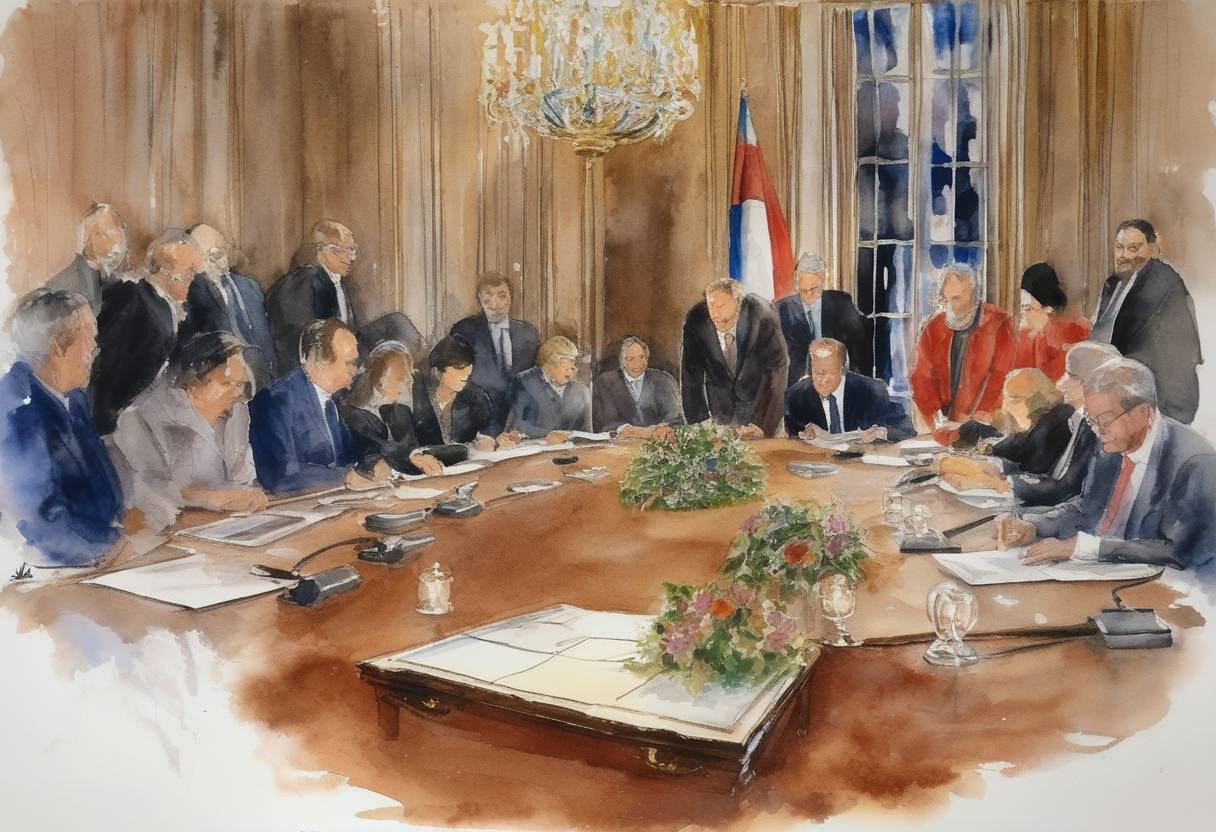
On December 14, 1995, the General Framework Agreement for Peace in Bosnia and Herzegovina, commonly known as the Dayton Agreement, was signed in Paris, France. This pivotal accord was instrumental in formally ending the Bosnian War, a brutal conflict that had erupted following the disintegration of Yugoslavia.
The Bosnian War, which raged from 1992 to 1995, was marked by intense ethnic and territorial conflict among Bosnia and Herzegovina’s three main ethnic groups: Bosniaks, Croats, and Serbs. It resulted in severe human suffering, massive displacement, and numerous atrocities, making an urgent resolution necessary to secure peace in the Balkans.
The Dayton Peace Conference was held from November 1 to November 21, 1995, at the Wright-Patterson Air Force Base near Dayton, Ohio, United States. The negotiation process involved major international actors and the leaders of Bosnia, Croatia, and Serbia:
Under the mediation efforts led by U.S. diplomat Richard Holbrooke and the participation of the European Union and United Nations representatives, the parties reached an agreement.
The signing of the Dayton Agreement established the framework for a new political structure of Bosnia and Herzegovina:
The Dayton Agreement effectively halted hostilities and provided a framework for peace and stability in the region. Although it successfully ended the conflict, it laid the groundwork for a complex political landscape characterized by a delicate balance of power among the ethnic groups.
While the immediate outcome was cessation of hostilities, the implemented political structure has often been critiqued for perpetuating ethnic divisions, making governance in Bosnia and Herzegovina challenging. Nevertheless, the accord remains a significant example of international diplomacy’s role in resolving conflicts and fostering negotiations for peace.
Source: www.history.com