The Second Battle of Homs: July 13, 1307
1307 · Homs, Syria
The Second Battle of Homs took place, a significant conflict of the Mamluk-Mongol Wars, where the Mamluks emerged victorious over the Ilkhanate forces, asserting their control over Syria.
September 1, 1299
The Battle of Angion took place, marking part of the wider conflict between the Mamluks of Egypt and the Armenians of Cilicia.
Angion, Armenia | Mamluk Sultanate
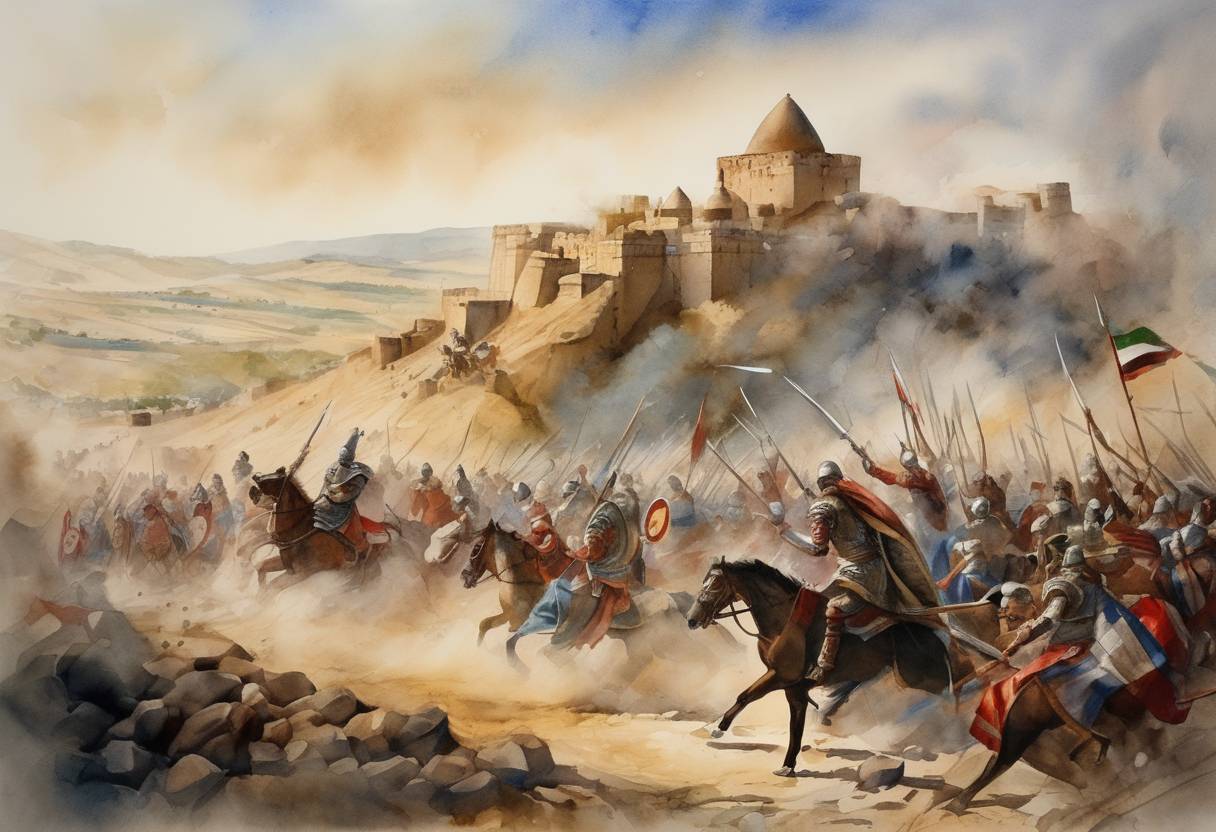
The Battle of Angion, fought on September 1, 1299, was a significant engagement during the ongoing conflicts between the Mamluk Sultanate based in Egypt and the Armenian Kingdom of Cilicia. This battle was part of the larger geopolitical struggle in the region, amidst the waning influence of Crusader states and the rising power of the Mamluks and other neighboring entities.
Mamluk-Armenian Hostilities: The hostilities were part of a series of military campaigns initiated by the Mamluks to consolidate their power in the Levant and surrounding regions. The Armenian Kingdom of Cilicia, located in modern-day southeastern Turkey, was a Christian Hellenistic state that had formed alliances with European Crusader states and was seen by the Mamluks as a lingering threat to their regional dominance.
Background of Tensions: Tensions were exacerbated by Cilicia’s strategic alliances and its role as a conduit for Crusader support, prompting the Mamluks to conduct military offensives against its territories.
Forces Involved: The battle saw forces from the Mamluk Sultanate clashing with the Armenian troops defending their kingdom. The Mamluks, known for their powerful cavalry and military strategies, aimed to weaken Cilicia’s defenses and assert control.
Course of Battle: Details on the specific maneuvers and tactics during the Battle of Angion are scarce, but it involved direct confrontations that were typical of the Mamluk military expeditions during this period. Given the Mamluks’ historical emphasis on cavalry and discipline, it is likely they leveraged these strengths effectively.
Impact on Cilician Armenia: The battle contributed to the weakening of Cilician Armenia’s military and political power. Although the Mamluks did not annex the region outright, the consistent pressure and military defeats eroded the kingdom’s resources and stability.
Broader Regional Influence: The Mamluks continued to exert influence over the Levant and surrounding regions, consolidating their control and diminishing the capability of neighboring states to oppose their authority.
Historical Significance: This conflict illustrated the declining power of Crusader-aligned states in the face of the robust Mamluk administration and military. It highlighted the shifting dynamics in the Middle East during the late 13th century, setting the stage for future territorial re-alignments.
The battle marks a key moment in the protracted Mamluk-Armenian encounters and is reflective of the turbulent political landscapes that defined this era.
Source: www.history.com