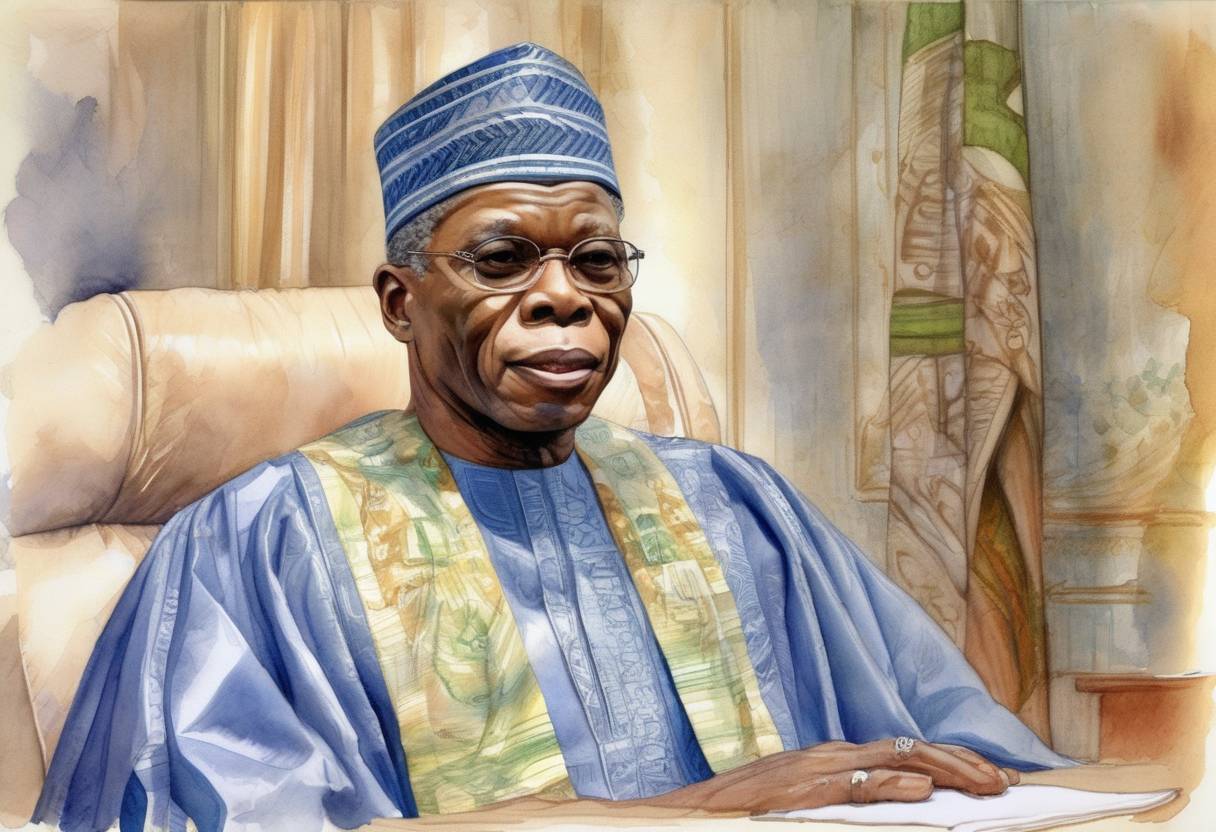
Olusegun Obasanjo Sworn in as President of Nigeria - May 29, 1999
On May 29, 1999, Olusegun Obasanjo was sworn in as the President of Nigeria, marking a significant turning point in the nation’s history. This event signified the end of over 15 years of military rule and the beginning of the Fourth Nigerian Republic, a new era of democratic governance.
Background
Military Rule in Nigeria: Nigeria had been under military rule for much of its post-independence history. The military first seized power in 1966, and except for brief periods of civilian rule, it dominated the political landscape until 1999.
Transition to Democracy: The transition to civilian rule began in earnest in 1998 after the sudden death of General Sani Abacha, a military dictator. His successor, General Abdulsalami Abubakar, initiated a transition program that included drafting a new constitution and organizing elections.
The 1999 Elections
Presidential Elections: The presidential elections were held on February 27, 1999. Olusegun Obasanjo, a former military head of state from 1976 to 1979, ran as the candidate for the People’s Democratic Party (PDP). He won the election with a significant majority, defeating Olu Falae, the joint candidate of the Alliance for Democracy (AD) and the All People’s Party (APP).
Significance of Obasanjo’s Candidacy: Obasanjo’s candidacy was symbolic. As a former military leader who had voluntarily handed over power to a civilian government in 1979, he was seen as a bridge between the military and civilian sectors, capable of fostering national unity and reconciliation.
Inauguration and the Fourth Republic
Inauguration Ceremony: The inauguration took place in Abuja, the capital city of Nigeria. It was attended by numerous dignitaries, both domestic and international, symbolizing Nigeria’s re-entry into the global community as a democratic nation.
Challenges Ahead: Obasanjo faced numerous challenges, including addressing widespread corruption, revitalizing the economy, and managing ethnic and religious tensions. His administration was tasked with rebuilding trust in government institutions and promoting democratic values.
Aftermath and Historical Significance
Consolidation of Democracy: Obasanjo’s presidency marked the beginning of a continuous democratic era in Nigeria, with subsequent peaceful transitions of power. This period is often credited with laying the foundation for Nigeria’s current democratic framework.
Legacy: Obasanjo served two terms as president, from 1999 to 2007. His tenure is noted for efforts in economic reform, debt relief, and attempts to tackle corruption, although it also faced criticism for alleged human rights abuses and attempts to extend his presidency.
The swearing-in of Olusegun Obasanjo on May 29, 1999, remains a pivotal moment in Nigeria’s history, symbolizing hope and the potential for democratic governance in Africa’s most populous nation.