Issuance of the Second Arrest Warrant for Omar al-Bashir
2010 · The Hague, Netherlands
The International Criminal Court issued a second arrest warrant for Sudanese President Omar al-Bashir, adding genocide to the charges against him.
March 5, 2007
The International Criminal Court issued its first arrest warrants for war crimes in Darfur, Sudan, against a Sudanese government minister and a militia leader.
The Hague, Netherlands | International Criminal Court
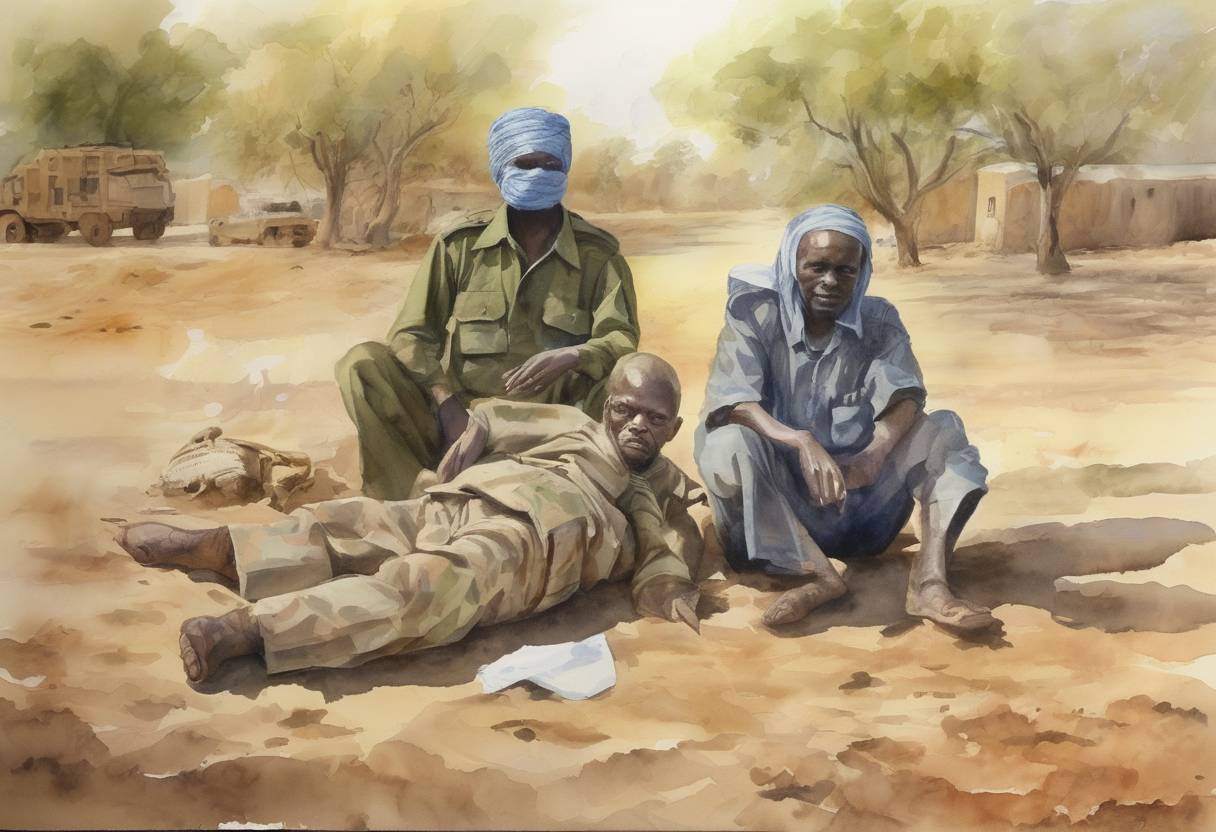
On March 5, 2007, the International Criminal Court (ICC) made a significant move in addressing the atrocities committed during the Darfur conflict by issuing its first arrest warrants for war crimes. These warrants targeted two individuals: Ahmad Harun, a Sudanese government minister, and Ali Kushayb, a leader of the Janjaweed militia.
The Darfur conflict began in 2003 when rebel groups in the region accused the Sudanese government of oppressing Darfur’s non-Arab population. In response, the government, allegedly with the support of the Janjaweed militia, launched a brutal campaign against the rebels and civilians, leading to widespread atrocities, including mass killings, rapes, and displacement.
The international community condemned the violence, and in 2005, the United Nations Security Council referred the situation in Darfur to the ICC, marking the first time the Council had referred a case to the Court. This referral was a pivotal step in holding those responsible for the violence accountable.
Ahmad Harun: At the time of the warrants, Harun was serving as Sudan’s Minister of State for Humanitarian Affairs. He was accused of coordinating attacks against civilians and recruiting, funding, and arming the Janjaweed militia. The ICC charged him with 20 counts of crimes against humanity and 22 counts of war crimes.
Ali Kushayb: A prominent Janjaweed leader, Kushayb was alleged to have personally participated in attacks on villages, leading to the murder, rape, and torture of civilians. He faced 22 counts of crimes against humanity and 28 counts of war crimes.
The issuance of these warrants was a landmark moment for the ICC, as it demonstrated the Court’s commitment to prosecuting those responsible for grave international crimes, regardless of their official position. However, the Sudanese government, led by President Omar al-Bashir, refused to cooperate with the ICC, denying the legitimacy of the warrants and refusing to extradite the accused.
Despite the initial lack of cooperation, the ICC’s actions highlighted the international community’s growing intolerance for impunity in cases of mass atrocities. The warrants also increased pressure on Sudan to address the human rights violations in Darfur.
In the years following the issuance of the warrants, the situation in Darfur remained complex, with ongoing violence and humanitarian challenges. However, the ICC’s involvement continued to serve as a reminder of the international community’s role in seeking justice for victims of war crimes and crimes against humanity.
The ICC’s actions in the Darfur case underscored the challenges of enforcing international law in situations where state actors are involved in alleged crimes. It also highlighted the importance of international cooperation in the pursuit of justice. The Darfur warrants set a precedent for future ICC interventions and reinforced the principle that those responsible for the most serious crimes should be held accountable, regardless of their rank or position.
Source: www.icc-cpi.int