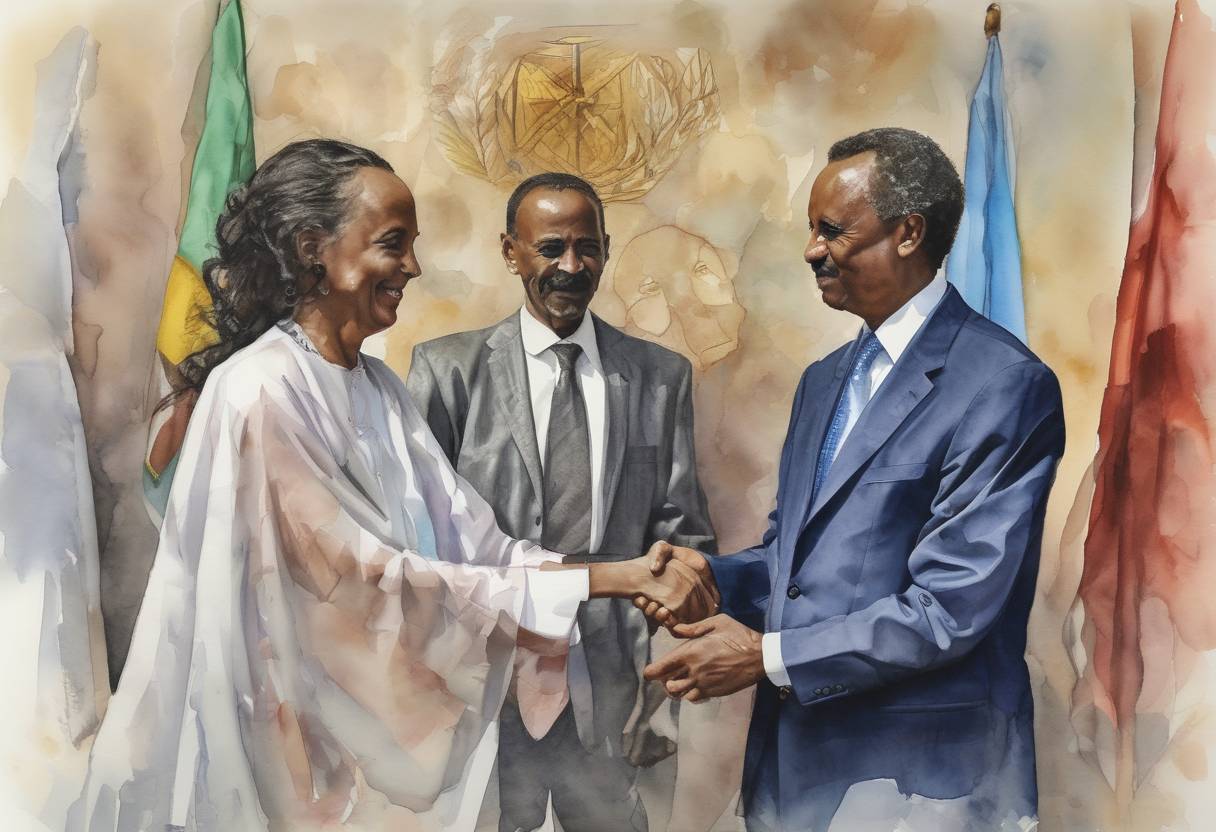
Ethiopia and Eritrea Peace Agreement - July 9, 2018
On July 9, 2018, Ethiopia and Eritrea signed a historic peace agreement in Asmara, Eritrea, formally ending a state of war that had persisted since 1998. This agreement marked a significant turning point in the Horn of Africa, bringing hope for stability and cooperation in a region long plagued by conflict.
Background
The conflict between Ethiopia and Eritrea began in 1998 over a border dispute, primarily centered around the town of Badme. The war lasted until 2000, resulting in tens of thousands of casualties and significant economic disruption for both nations. Despite a ceasefire and the Algiers Agreement in 2000, which established a boundary commission to resolve the border issue, tensions remained high, and the countries were technically in a state of war.
Key Events Leading to the Agreement
Political Changes in Ethiopia: The peace process gained momentum with the appointment of Abiy Ahmed as Ethiopia’s Prime Minister in April 2018. Abiy Ahmed introduced sweeping reforms and expressed a commitment to peace with Eritrea.
Acceptance of the Boundary Commission’s Ruling: In June 2018, Ethiopia announced its unconditional acceptance of the 2002 ruling by the Eritrea-Ethiopia Boundary Commission, which awarded the disputed town of Badme to Eritrea.
Diplomatic Engagement: Following Ethiopia’s announcement, diplomatic engagements between the two countries intensified, leading to a series of meetings and discussions aimed at normalizing relations.
The Peace Agreement
The peace agreement signed on July 9, 2018, included several key components:
Restoration of Diplomatic Ties: The agreement restored diplomatic relations between Ethiopia and Eritrea, with embassies reopening in both countries.
Resumption of Trade and Communication: It facilitated the resumption of trade, transportation, and communication links, including reopening roads and re-establishing phone connections.
Commitment to Peace and Cooperation: Both nations committed to working together for regional stability and development, fostering a spirit of cooperation and mutual benefit.
Aftermath and Significance
Regional Impact: The peace agreement had a profound impact on the Horn of Africa, encouraging other countries in the region to pursue peaceful resolutions to conflicts.
Economic and Social Benefits: The normalization of relations allowed for increased economic activity, benefiting citizens on both sides of the border through trade and social interactions.
Nobel Peace Prize: In recognition of his efforts in achieving peace with Eritrea, Ethiopian Prime Minister Abiy Ahmed was awarded the Nobel Peace Prize in 2019.
The peace agreement between Ethiopia and Eritrea on July 9, 2018, stands as a testament to the power of diplomacy and dialogue in resolving long-standing conflicts, offering a hopeful example for other regions facing similar challenges.