Beni Isguen Massacre: August 26, 1997
1997 · Beni Isguen, Algeria
Beni Isguen massacres are carried out by Armed Islamic Group (Groupe Islamique Armé or GIA) in Algeria, leading to the deaths of dozens of people.
January 17, 2013
Algerian forces launch a raid to end the In Amenas hostage crisis, where Islamist militants had taken hostages at a gas facility, resulting in numerous casualties.
In Amenas, Algeria | Algerian military
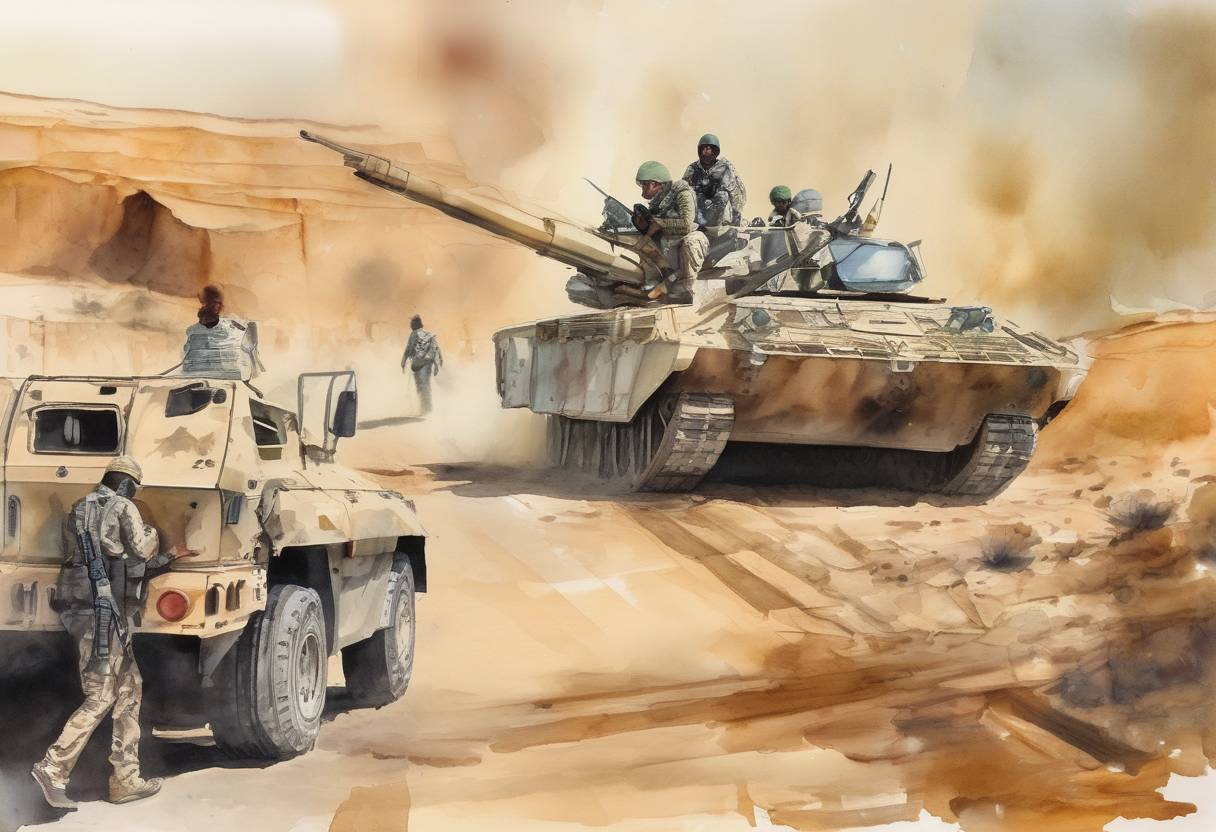
The In Amenas hostage crisis was a significant and tragic event that unfolded in January 2013 at the Tigantourine gas facility near In Amenas, Algeria. This facility was operated as a joint venture by BP, Statoil, and Sonatrach. The crisis began on January 16, 2013, when a group of Islamist militants, linked to the al-Qaeda-affiliated group “al-Mulathameen Brigade,” led by Mokhtar Belmokhtar, attacked the facility. The militants took numerous hostages, including both Algerian and foreign workers, demanding an end to French military operations against Islamist groups in northern Mali.
On January 17, 2013, Algerian special forces launched a military operation to end the hostage situation. The decision to conduct a raid was made by the Algerian government, which opted not to negotiate with the terrorists. The operation was complex and fraught with risk due to the large number of hostages and the volatile environment of a gas facility.
Commencement of the Raid: The raid began in the morning, with Algerian forces using helicopters and ground troops to assault the facility. The operation aimed to neutralize the militants and rescue the hostages.
Casualties: The raid resulted in significant casualties. While exact numbers vary, it is reported that at least 39 foreign hostages and an Algerian security guard were killed, along with 29 militants. Several hostages were also injured during the operation.
Hostage Rescue: Despite the high number of casualties, Algerian forces managed to rescue hundreds of hostages. The operation, however, was criticized for its lack of coordination and the high risk to hostages.
International Reaction: The raid and its outcomes drew mixed reactions internationally. Some countries, whose citizens were among the hostages, expressed concern over the aggressive tactics used by Algerian forces. However, others supported Algeria’s decision to act decisively against terrorism.
Impact on Security Policies: The crisis highlighted the vulnerabilities of energy facilities in North Africa and led to increased security measures at similar sites worldwide. It also underscored the persistent threat posed by Islamist militant groups in the region.
Continued Threats: The In Amenas crisis was part of a broader pattern of instability in the Sahel region, exacerbated by the collapse of order in Libya and ongoing conflicts in Mali. It underscored the challenges faced by governments in combating well-armed and organized militant groups.
The In Amenas hostage crisis was a stark reminder of the global reach of Islamist terrorism and the complexities involved in counter-terrorism operations. It highlighted the need for international cooperation in addressing the root causes of extremism and ensuring the security of critical infrastructure. The event also reinforced the importance of balancing decisive action with the safety of hostages in such crises.
Source: www.bbc.com