January 7, 2015

The Charlie Hebdo shooting occurred when two gunmen attacked the offices of the French satirical weekly newspaper Charlie Hebdo in Paris, resulting in the deaths of 12 people, including prominent cartoonists.


Paris, France | Charlie Hebdo
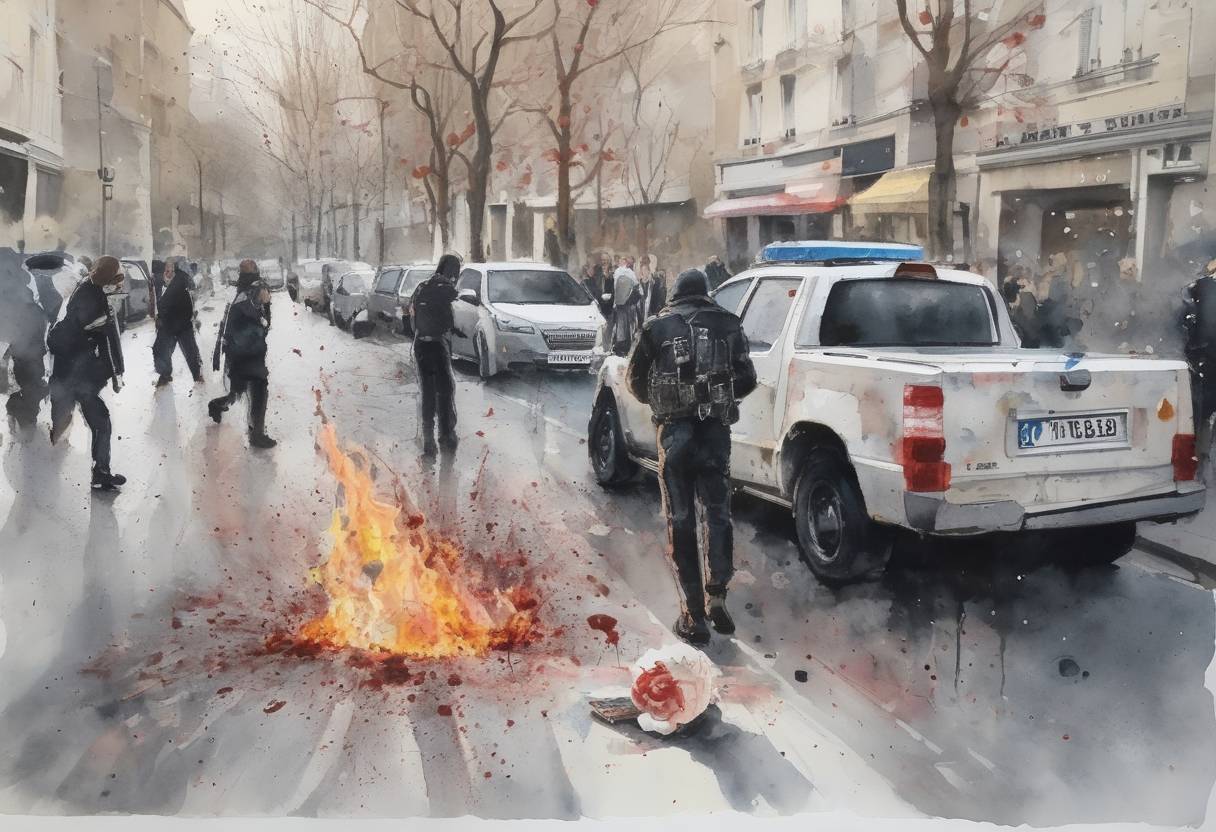
Watercolor painting based depiction of The Charlie Hebdo shooting occurred when two gunmen attacked the offices of the French satirical weekly newspaper Charlie Hebdo in Paris, resulting in the deaths of 12 people, including prominent cartoonists. (2015)

The Charlie Hebdo Shooting: January 7, 2015

On January 7, 2015, a tragic and significant event unfolded in Paris, France, when two gunmen attacked the offices of the French satirical weekly newspaper Charlie Hebdo. This attack resulted in the deaths of 12 people, including some of France’s most prominent cartoonists, and marked a pivotal moment in the global conversation about freedom of speech, terrorism, and security.

Background

Charlie Hebdo is known for its provocative and often controversial cartoons, which frequently satirize religion, politics, and various cultural issues. The publication had previously been the target of threats and attacks due to its depictions of religious figures, particularly those of the Islamic prophet Muhammad, which some considered blasphemous.

The Attack

  • Date and Time: The attack occurred on the morning of January 7, 2015.
  • Location: The offices of Charlie Hebdo were located in the 11th arrondissement of Paris.
  • Perpetrators: The attack was carried out by two brothers, Saïd and Chérif Kouachi, who were later identified as French citizens of Algerian descent. They claimed allegiance to Al-Qaeda in the Arabian Peninsula (AQAP).
  • Casualties: Twelve people were killed, including:
    • Stéphane “Charb” Charbonnier, editor-in-chief.
    • Notable cartoonists Jean “Cabu” Cabut, Georges Wolinski, Bernard “Tignous” Verlhac, and Philippe Honoré.
    • Two police officers, including Franck Brinsolaro, who was assigned to protect Charb.
    • Several other staff members and guests present at the meeting.

Immediate Aftermath

  • Manhunt: A massive manhunt ensued, leading to a two-day pursuit of the Kouachi brothers. They were eventually located and killed by police on January 9, 2015, in a standoff at a printing company in Dammartin-en-Goële, northeast of Paris.
  • Related Attacks: Concurrently, Amedy Coulibaly, an associate of the Kouachi brothers, carried out a related attack, taking hostages at a kosher supermarket in Paris, resulting in additional casualties before being killed by police.

Broader Impact

  • Global Reaction: The attack sparked international outrage and a strong defense of free speech. The phrase “Je suis Charlie” (I am Charlie) became a symbol of solidarity with the victims and support for freedom of expression.
  • Security Measures: France and other countries heightened security measures and counter-terrorism efforts in response to the attack.
  • Cultural and Political Discourse: The events intensified debates over the balance between free speech and respect for religious beliefs, as well as discussions on immigration, integration, and the fight against extremism in Europe.

Conclusion

The Charlie Hebdo shooting remains a poignant reminder of the challenges faced in maintaining the delicate balance between freedom of expression and respect for diverse beliefs in a globalized world. It also underscores the ongoing threat of terrorism and the importance of vigilance and unity in confronting such challenges.