The First Electric Telegraph: Samuel Morse's Historic Achievement
1844 · Washington, D.C., United States
The first electric telegram is sent by Samuel Morse from Washington, D.C., which is a critical advancement in communication technology.
May 24, 1844
Samuel Morse sends the first telegraph message from Washington, D.C., to Baltimore, Maryland, reading 'What hath God wrought.'
Washington, D.C., USA | Morse Telegraph Company
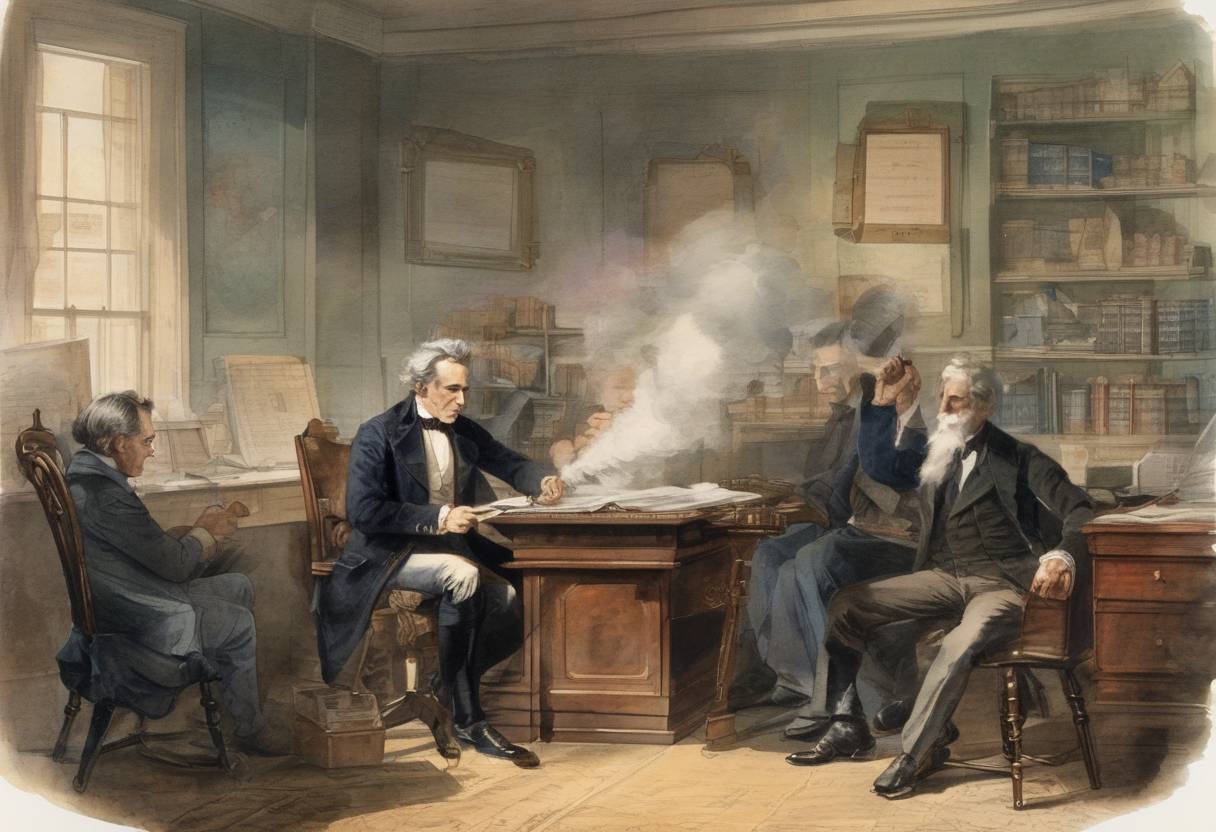
On May 24, 1844, a pivotal moment in communication history occurred when Samuel Morse sent the first official telegraph message from the United States Capitol in Washington, D.C., to the B&O Railroad Depot in Baltimore, Maryland. The message, “What hath God wrought,” marked the dawn of a new era in long-distance communication.
Samuel Morse, originally an accomplished painter, became interested in telegraphy in the 1830s. Alongside his partner, Alfred Vail, Morse developed the Morse code, a system of dots and dashes that could represent letters and numbers. This innovation was crucial for the telegraph’s success, allowing complex messages to be sent quickly over long distances.
The development of the telegraph was supported by the U.S. government, which provided a $30,000 grant to construct an experimental telegraph line between Washington, D.C., and Baltimore. This funding was secured after Morse demonstrated the potential of his invention to Congress.
On the morning of May 24, 1844, in the presence of a group of dignitaries and politicians, Morse sent the historic message. The phrase “What hath God wrought” was suggested by Annie Ellsworth, the daughter of the Commissioner of Patents, Henry Ellsworth. It is a biblical quotation from Numbers 23:23, reflecting the awe and wonder at the technological achievement.
The message was successfully received in Baltimore by Alfred Vail, who immediately sent a return message confirming the success of the transmission. This demonstration proved the viability of the telegraph and set the stage for its widespread adoption.
The successful transmission of the first telegraph message had profound implications:
Revolutionized Communication: The telegraph dramatically reduced the time it took to send messages over long distances, which previously relied on physical transportation methods like horseback or ship.
Economic Impact: The telegraph facilitated faster business transactions and played a crucial role in the expansion of the railroads, stock markets, and news dissemination.
Military and Political Use: Governments and military organizations quickly adopted the telegraph for strategic communication, influencing the outcomes of conflicts and diplomatic negotiations.
Foundation for Future Technologies: The telegraph laid the groundwork for future innovations in communication, eventually leading to the development of the telephone, radio, and the internet.
The success of Morse’s telegraph marked the beginning of a communication revolution, transforming how information was shared and shaping the modern world. The phrase “What hath God wrought” remains a testament to the ingenuity and impact of this groundbreaking invention.
Source: www.history.com