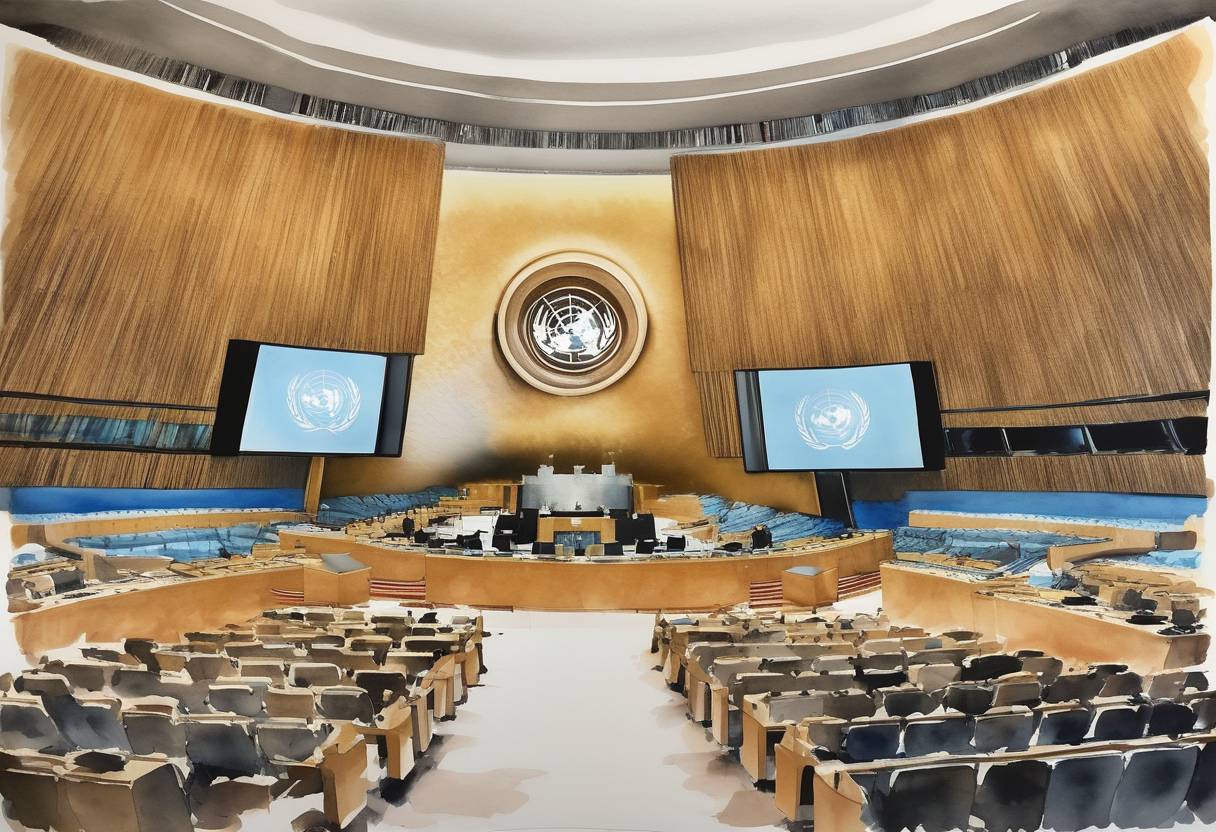
Election of Non-Permanent Members to the UN Security Council on June 7, 2018
On June 7, 2018, the United Nations General Assembly conducted elections to select five non-permanent members to serve on the United Nations Security Council (UNSC) for a two-year term starting January 1, 2019. The countries elected were Belgium, the Dominican Republic, Germany, Indonesia, and South Africa. These nations joined the Security Council, which is responsible for maintaining international peace and security, alongside the five permanent members and other non-permanent members.
Context and Background
The UNSC is composed of 15 members: five permanent members (China, France, Russia, the United Kingdom, and the United States) and ten non-permanent members elected for two-year terms. Non-permanent members are elected by the General Assembly, with seats allocated based on regional groups to ensure geographical representation.
Regional Allocation
- Belgium and Germany were elected from the Western European and Others Group (WEOG).
- The Dominican Republic was elected from the Latin American and Caribbean Group (GRULAC).
- Indonesia was elected from the Asia-Pacific Group.
- South Africa was elected from the African Group.
Key Events Leading Up to the Election
- Campaigning and Endorsements: Countries typically campaign for a seat on the UNSC, seeking endorsements from other member states. This involves diplomatic efforts and showcasing their commitment to international peace and security.
- Regional Rotation: The election follows a regional rotation system, ensuring that different regions are represented over time.
Significance of the Election
- Belgium: Known for its active role in international diplomacy and commitment to multilateralism, Belgium aimed to contribute to peacekeeping and conflict resolution.
- Dominican Republic: This marked the first time the Dominican Republic was elected to the UNSC, highlighting its growing role in regional and international affairs.
- Germany: As a major European power, Germany sought to address global challenges such as climate change, conflict prevention, and sustainable development.
- Indonesia: With its significant population and strategic location, Indonesia focused on promoting peace and security in the Asia-Pacific region.
- South Africa: Having previously served on the UNSC, South Africa aimed to advocate for African issues and enhance the continent’s voice in global security matters.
Aftermath and Consequences
- Policy Influence: The elected countries had the opportunity to influence key decisions on international security issues, including sanctions, peacekeeping missions, and conflict resolutions.
- Diplomatic Engagement: Serving on the UNSC elevated the diplomatic profiles of these countries, allowing them to engage more deeply with global powers and regional partners.
- Focus Areas: Each country brought its priorities to the council, contributing to discussions on issues such as human rights, counter-terrorism, and sustainable development.
The election of these five countries to the UNSC underscored the importance of regional representation and the diverse perspectives brought to the council’s work in maintaining international peace and security.