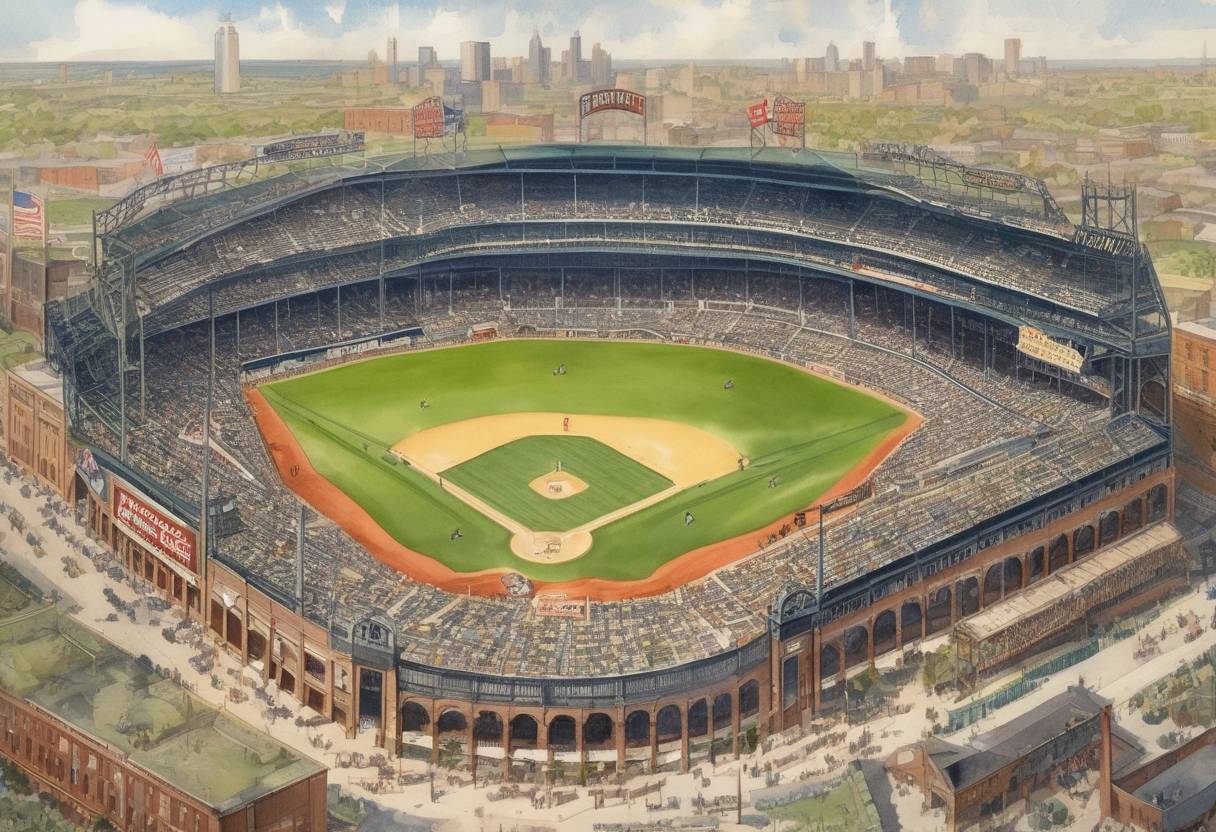
The First Major League Baseball All-Star Game: July 6, 1933
On July 6, 1933, the first Major League Baseball (MLB) All-Star Game was held at Comiskey Park in Chicago, Illinois. This historic event marked the beginning of what would become an annual tradition in professional baseball, showcasing the talents of the league’s most outstanding players.
Context and Background
The idea for the All-Star Game was conceived during the Great Depression, a period when baseball, like many other industries, was struggling financially. The game was part of the 1933 World’s Fair in Chicago, known as the “Century of Progress International Exposition,” which aimed to boost morale and economic activity. Arch Ward, a sports editor for the Chicago Tribune, proposed the idea as a one-time event to generate excitement and revenue for the sport.
Key Events Leading Up to the Game
- Selection of Players: Players were selected based on their popularity and performance. Fans, managers, and sportswriters contributed to the selection process, ensuring that the most beloved and skilled players participated.
- Venue: Comiskey Park, home of the Chicago White Sox, was chosen as the venue. It was one of the most modern and spacious stadiums of its time, making it an ideal location for such a significant event.
The Game
- Teams: The game featured the best players from the American League (AL) against those from the National League (NL).
- Notable Players: The rosters included legendary figures such as Babe Ruth, Lou Gehrig, and Jimmie Foxx for the AL, and Carl Hubbell, Chuck Klein, and Frankie Frisch for the NL.
- Outcome: The American League won the game with a score of 4-2. Babe Ruth, one of the most iconic figures in baseball history, hit the first home run in All-Star Game history, further cementing his legacy.
Aftermath and Significance
The success of the inaugural All-Star Game led to its establishment as an annual event, becoming a staple of the MLB season. It provided fans with a unique opportunity to see the greatest players from both leagues compete on the same field. The All-Star Game has since evolved, incorporating various festivities and becoming a major highlight of the baseball calendar.
Broader Historical Impact
The All-Star Game not only boosted baseball’s popularity during a challenging economic period but also set a precedent for other professional sports leagues to create similar showcase events. It highlighted the unifying power of sports and its ability to bring joy and entertainment to people during difficult times.
In conclusion, the first MLB All-Star Game on July 6, 1933, was a pivotal moment in sports history, demonstrating the enduring appeal of baseball and its capacity to adapt and thrive even in the face of adversity.