The First Macy's Thanksgiving Day Parade: November 27, 1924
1924 · New York City, United States
In New York City, the first Macy's Thanksgiving Day Parade was held, becoming an annual tradition in the United States.
April 19, 1927
Mae West's play 'Sex' opened, and she was later arrested and convicted on obscenity charges, which brought her national attention and significantly influenced her career.
New York City, United States
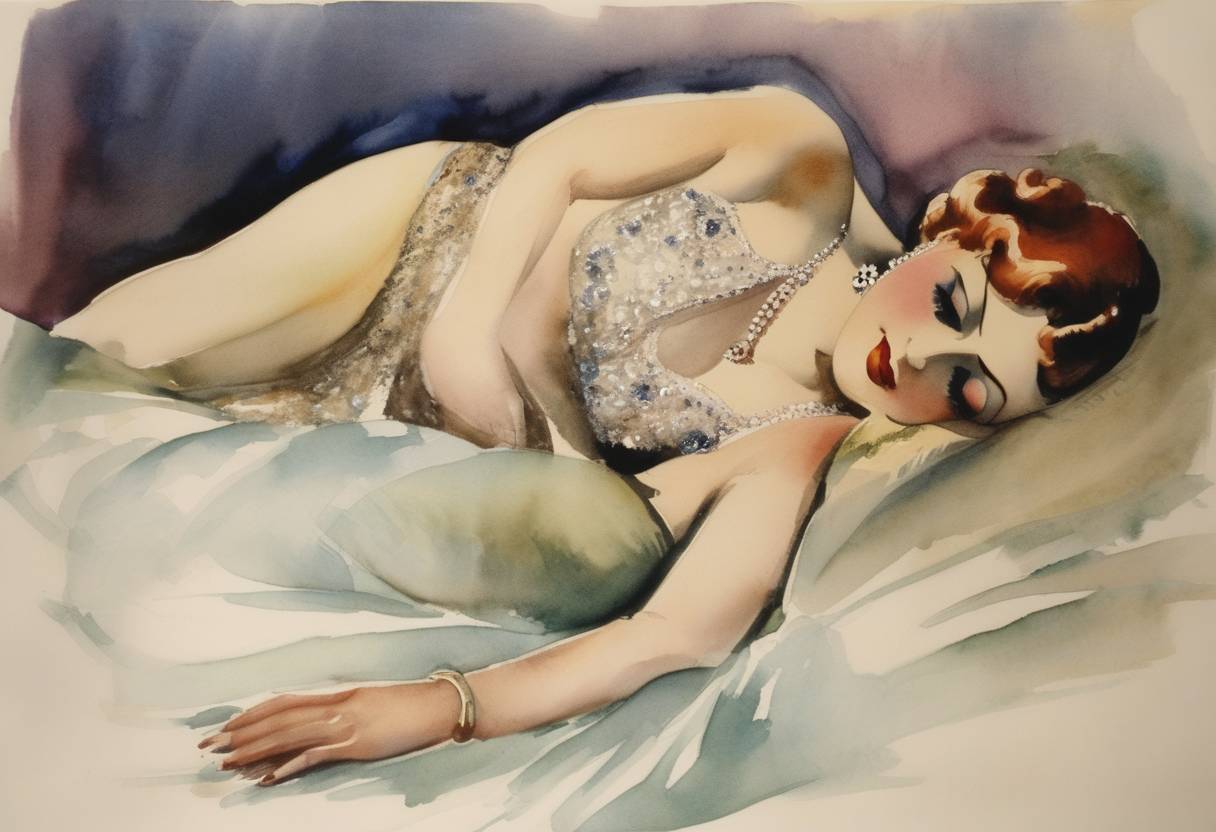
On April 19, 1927, Mae West, an emerging playwright and actress, experienced a pivotal moment in her career with the opening of her play Sex at Daly’s 63rd Street Theatre in New York City. This production, which West also wrote and starred in, was provocative for its time, as it candidly explored themes of female sexuality and independence.
The play was staged amidst the socially conservative backdrop of the 1920s, a period marked by stringent moral standards and censorship in the arts. Despite the prevailing norms, Sex attracted significant attention and controversy due to its bold subject matter, pushing the boundaries of what was deemed acceptable on stage.
Despite initial success, Sex soon faced legal challenges. Local authorities, responding to pressure from conservative groups, deemed the play obscene. On February 9, 1927, Mae West and the entire cast were arrested during a performance under charges of producing obscene performances and corrupting the morals of youth.
West was subsequently tried and convicted, receiving a ten-day sentence in a women’s workhouse. Her incarceration became a media sensation, providing substantial publicity for her and her work. She served eight days of her sentence, an experience she later leveraged as part of her public persona, often highlighting her rebellion against societal norms.
The legal troubles surrounding Sex proved to be a turning point in Mae West’s career. Rather than impeding her progress, the publicity garnered from her arrest and conviction significantly boosted her public profile. It cemented her reputation as a daring and bold figure in the entertainment industry who was unafraid to challenge societal conventions.
Mae West capitalized on the notoriety from the scandal, which played a crucial role in her transition to Hollywood, where she became an iconic film star known for her wit, charisma, and groundbreaking work in both film and stage. Her ability to navigate controversy and use it to her advantage is a testament to her enduring influence on American culture and the arts.
The events surrounding Sex illustrate the tensions between artistic expression and censorship in early 20th-century America while highlighting West’s unique role in shaping the dialogue around female sexual empowerment and free expression in the arts.
Source: www.britannica.com