Colombian Voters Reject Peace Deal with FARC - October 2, 2016
2016 · Bogotá, Colombia
Colombian voters narrowly reject a peace deal with FARC rebels in a national referendum, casting uncertainty over the future of the peace process.
April 30, 1948
The Organization of American States (OAS) is founded, with the signing of the Charter of the Organization of American States in Bogotá, Colombia.
Bogotá, Colombia | Organization of American States
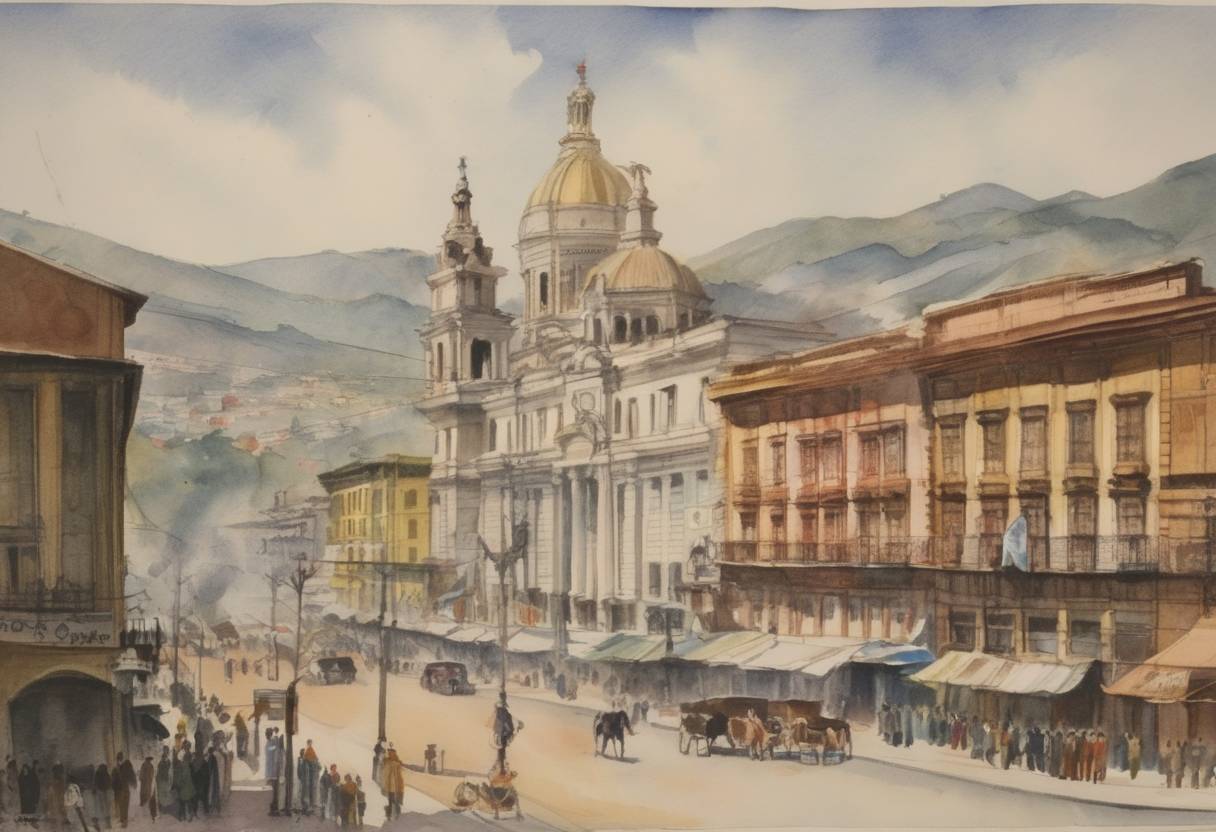
The Organization of American States (OAS) was founded with the signing of the Charter of the Organization of American States on April 30, 1948, in Bogotá, Colombia. This event marked a pivotal moment in the diplomatic and political relations among countries in the Western Hemisphere.
The OAS emerged from a long history of efforts to create a cooperative structure among the nations of the Americas. The concept of Pan-Americanism, emphasizing mutual cooperation and respect among the American states, had been developing since the 19th century. The precursor to the OAS was the Pan American Union, established in 1910, which aimed to foster regional cooperation.
The Ninth International Conference of American States, held in Bogotá from March 30 to May 2, 1948, brought together representatives from 21 nations. The conference’s primary objective was to create a binding charter that would formalize a comprehensive political organization uniting these countries.
The backdrop of these discussions was the early Cold War period, characterized by the tension between Western nations and the Soviet Union. Given this global climate, American nations sought to strengthen ties to ensure collective security and economic collaboration.
The charter signed on April 30 established the OAS with the purpose of promoting peace, justice, solidarity, and security among its member states. Key points of the charter included:
The founding of the OAS marked the consolidation of efforts to create a more formalized and structured approach to regional diplomacy in the Americas. It highlighted a collective commitment to align against external threats and foster mutual development and cooperation.
The OAS has since evolved, enlarging its membership to include other nations in the Americas and adapting to changing geopolitical dynamics. It has played a critical role in resolving regional conflicts, promoting democracy, and addressing issues like human rights and economic inequality.
Today, the OAS continues to serve as a forum for multilateral dialogue and decision-making in the Americas, emphasizing the shared goals articulated during its founding in 1948.
Source: www.oas.org