India Becomes a Republic: January 26, 1950
1950 · New Delhi, India
India officially became a republic, adopting its constitution and marking Republic Day.
June 12, 1975
The 15th amendment of the Constitution was passed in India, addressing issues related to taxation and pensions, and extending the jurisdiction of the Supreme Court.
New Delhi, India | Government of India
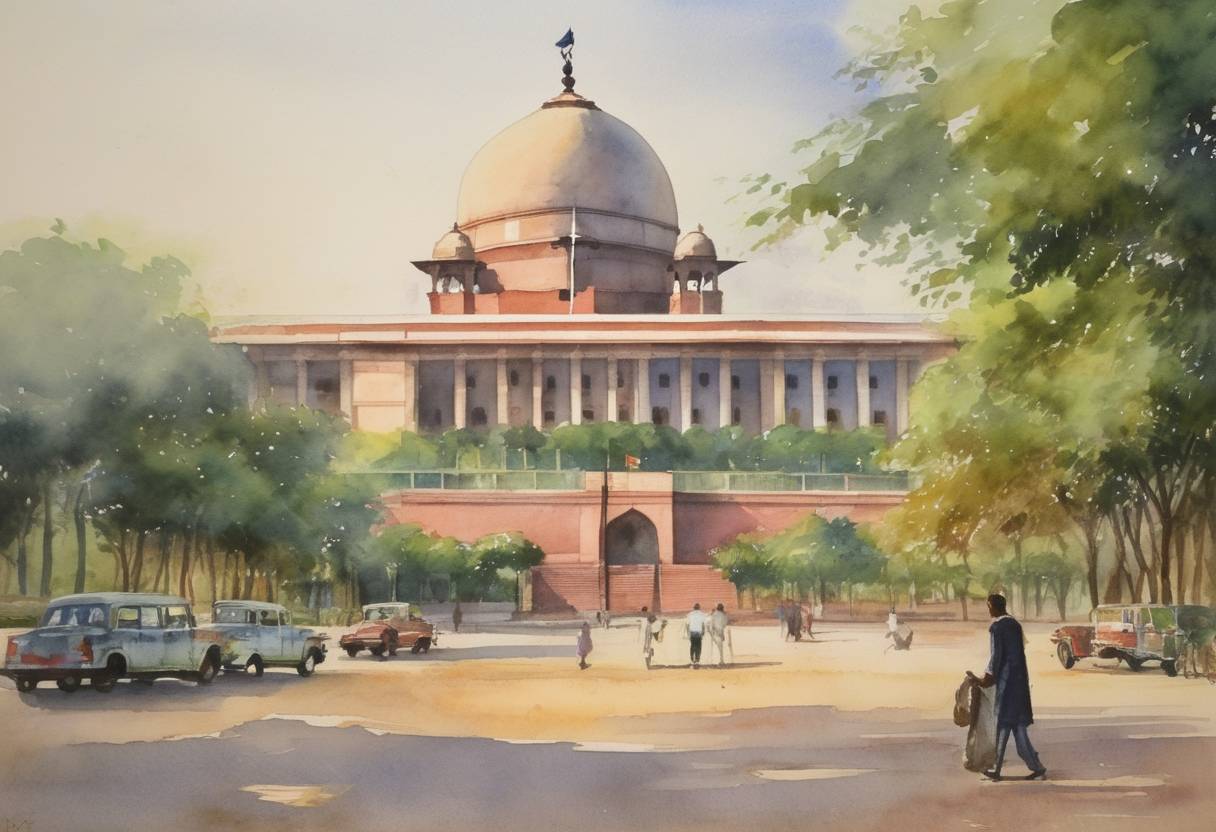
The information provided regarding the 15th Amendment to the Constitution of India appears to be incorrectly matched with the date and content. The 15th Amendment of the Indian Constitution was actually enacted in 1963, not 1975, and it primarily addressed the retirement age of High Court judges, among other judicial reforms.
To clarify, the correct amendments and their content are as follows:
The amendment was part of a broader initiative to strengthen the judiciary and ensure that the increasing workload on courts did not compromise judicial efficiency and effectiveness. By allowing judges to serve longer and providing mechanisms for the appointment of additional judges, it helped to mitigate staffing challenges in the judiciary.
If you intended to refer to the year 1975, it is worth noting that the 40th Amendment, enacted during this time, dealt with various issues, including the protection of certain land reform and anti-nationalization laws from being challenged on the grounds of contravening the fundamental rights.
This year was marked by the Emergency period in India (1975-1977), declared by then Prime Minister Indira Gandhi, which significantly impacted the legislative environment, resulting in numerous changes and reforms aimed at consolidating central power.
There is no record of a specific amendment to the Constitution of India passed explicitly on June 12, 1975, concerned with taxation, pensions, or Supreme Court jurisdiction.
Source: www.india.gov.in