Demonetization Announcement in India - November 8, 2016
2016 · New Delhi, India
India's Prime Minister Narendra Modi announced the demonetization of ₹500 and ₹1,000 banknotes, aiming to combat black money and counterfeit currency.
November 4, 2021
In an effort to reduce air pollution, the government of New Delhi, India, announced a temporary halt to construction projects and demolished illegally built structures to comply with environmental regulations.
New Delhi, India | Government of India
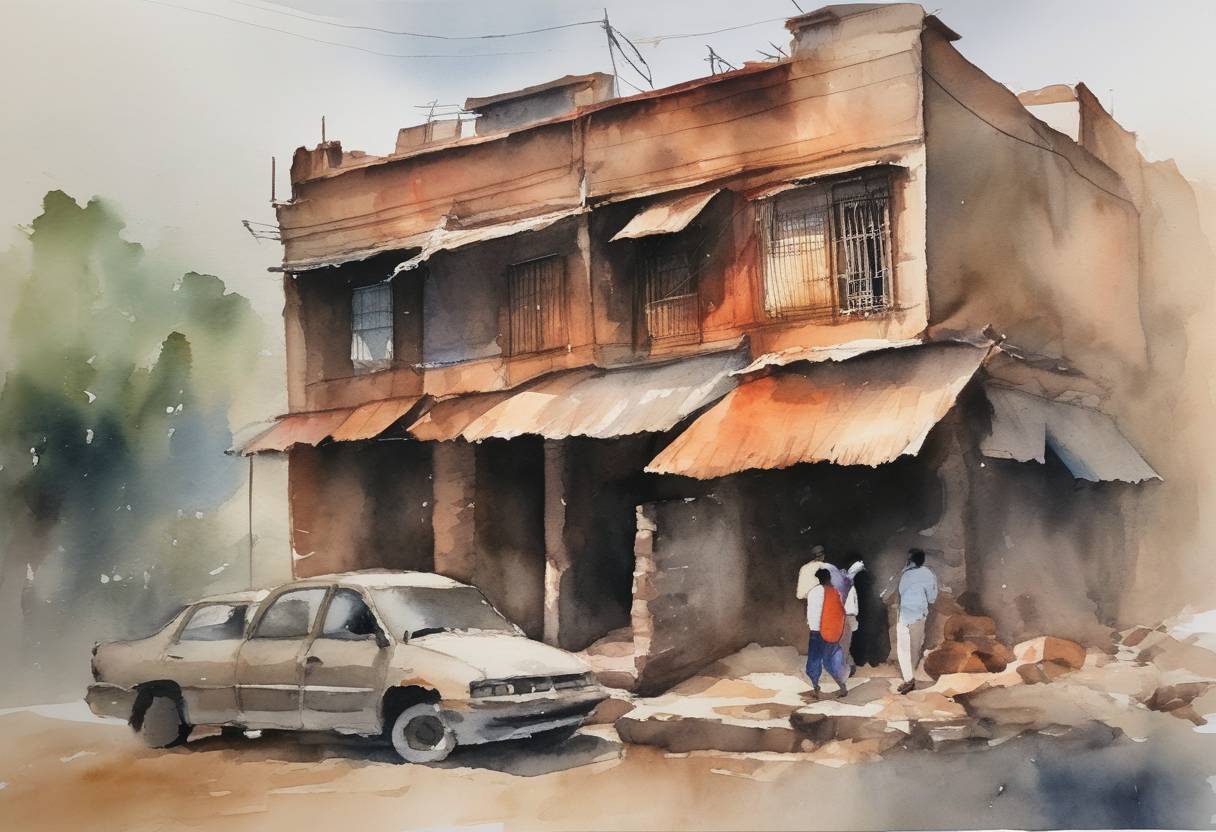
On November 4, 2021, the government of New Delhi, India, undertook significant actions to address the severe air pollution crisis plaguing the city. This included imposing a temporary halt on construction activities and the demolition of illegally constructed structures to ensure compliance with environmental regulations. These measures were part of an urgent response to the escalating pollution levels that were impacting public health and quality of life.
New Delhi, the capital city of India, has long struggled with hazardous air quality, particularly during the winter months. Factors contributing to the air pollution include emissions from vehicles, industrial pollutants, construction dust, and the burning of crop stubble in nearby states. These conditions were further exacerbated by cooler temperatures and stagnant winds, leading to the accumulation of pollutants.
Construction Ban: The government decided to temporarily stop all construction and demolition activities within the city. This decision was made to curb the dust pollution that heavily contributes to the city’s poor air quality index.
Demolishing Illegal Structures: In line with environmental legislation, authorities initiated the demolition of structures that were built illegally. These unauthorized developments were scrutinized for not meeting environmental standards, contributing to pollution through non-compliant construction practices.
The intervention was part of a broader set of measures to tackle air pollution, reflecting the seriousness of the government’s approach to environmental issues. Although these steps provided temporary relief, the long-term effectiveness relied heavily on comprehensive policies and cooperation among different governmental bodies and stakeholders to sustainably manage and improve air quality.
These immediate actions taken by New Delhi’s government underscored the challenges metropolises face worldwide in balancing urban development with environmental sustainability. The move also highlighted the need for regularized enforcement of environmental regulations and more robust planning to ensure a healthier urban environment for residents.
Source: www.bbc.com