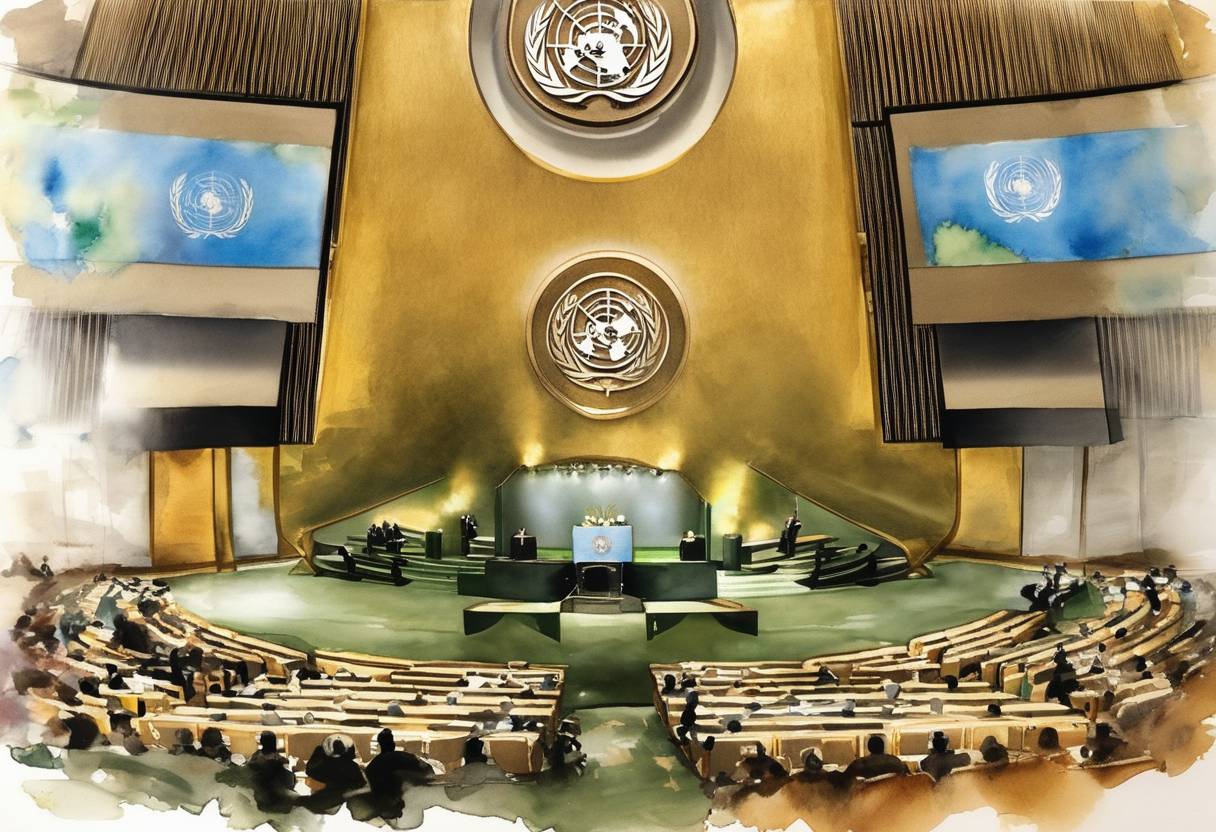
Suspension of Libya from the UN Human Rights Council
On March 1, 2011, the United Nations General Assembly suspended Libya from the Human Rights Council, marking a significant decision in response to severe human rights violations perpetrated by Colonel Muammar Gaddafi’s government. This move was unprecedented, as it was the first time a country had been suspended from the council since its establishment in 2006.
Context and Events Leading to Suspension
- Libyan Uprising: Part of the wider Arab Spring movement, protests against Gaddafi’s regime began in Libya in February 2011. Demonstrators called for political reforms, economic justice, and an end to Gaddafi’s decades-long authoritarian rule.
- Violent Crackdowns: The Libyan government’s response was characterized by brutal crackdowns on protesters. Reports highlighted the use of heavy military force, including live ammunition and artillery against civilians, leading to substantial casualties.
- International Outcry: The Gaddafi regime’s actions drew widespread international condemnation. The situation in Libya was perceived as a humanitarian crisis, prompting the global community to advocate for decisive measures to address the violence.
United Nations Response
- Human Rights Council Actions: Prior to the General Assembly’s decision, the Human Rights Council convened a special session on February 25, 2011, adopting a resolution that recommended suspending Libya’s membership.
- General Assembly Decision: The suspension of Libya was passed by consensus in the 192-member UN General Assembly on March 1, reflecting broad international disapproval of the Gaddafi government’s actions.
Consequences and Significance
- International Pressure: The suspension underscored increasing international pressure on the Libyan regime. It aimed to isolate and delegitimize Gaddafi’s government amid escalating violence.
- Human Rights Precedence: This intervention by the UN set a notable precedent for international accountability concerning human rights violations, reinforcing the role of international bodies in addressing such crises.
- Further Developments: The ongoing conflict eventually led to NATO’s military intervention and ultimately, the toppling of Gaddafi’s regime later in 2011.
This decisive action by the UN General Assembly was a pivotal moment in the international community’s response to the Arab Spring, showcasing the body’s commitment to upholding human rights and international justice.