NATO Suspends Air Strikes in Yugoslavia - June 10, 1999
1999 · Belgrade, Yugoslavia
NATO suspended its air strikes in Yugoslavia after Slobodan Milošević agreed to withdraw Serbian forces from Kosovo, ending the Kosovo War.
May 7, 1999
The United States accidentally bombs the Chinese embassy in Belgrade during the NATO bombing of Yugoslavia.
Belgrade, Yugoslavia | NATO
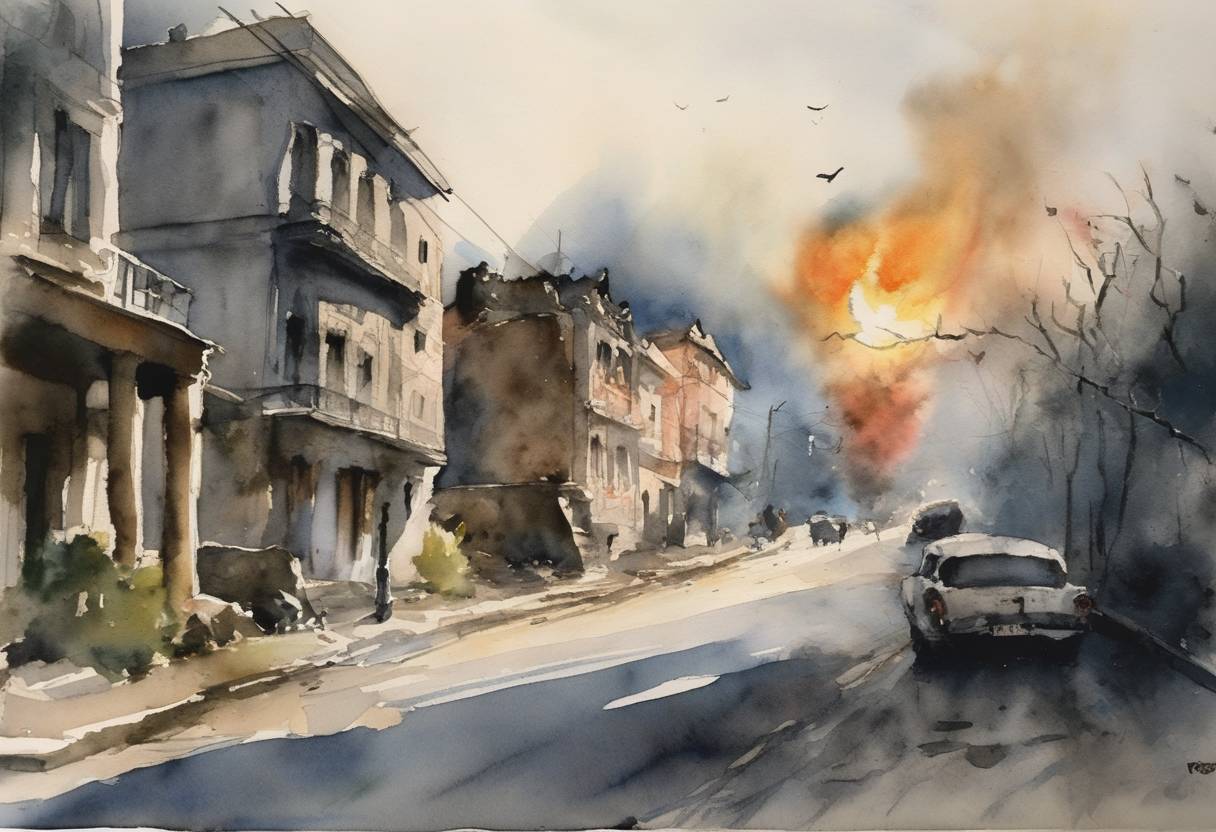
On May 7, 1999, during the NATO bombing campaign against Yugoslavia, the United States mistakenly targeted and bombed the Chinese embassy in Belgrade. This incident resulted in international controversy and heightened tensions between the United States and China.
The bombing was part of NATO’s military intervention in the Federal Republic of Yugoslavia, primarily aimed at curbing the actions of Serbian forces led by Yugoslav President Slobodan Milošević against the ethnic Albanian population in Kosovo. Operation Allied Force, as the NATO intervention was called, commenced on March 24, 1999, and included airstrikes intended to degrade Yugoslav military capabilities.
On the night of May 7, a B-2 Spirit stealth bomber dropped five Joint Direct Attack Munitions (JDAMs) on what was believed to be a Yugoslav army target. Instead, the munitions hit the Chinese embassy, located in Belgrade’s New Belgrade district. The attack resulted in the deaths of three Chinese journalists and several injuries to the embassy staff.
The United States initially claimed the bombing was a mistake. An investigation determined that outdated maps were used, leading to the incorrect targeting. The CIA had provided maps marking the embassy as a Yugoslav military supply depot. The incident was exacerbated by reliance on maps that had not been updated to reflect the movement of the Chinese embassy to its location three years prior.
The bombing sparked outrage in China, leading to large-scale protests outside the U.S. embassy in Beijing and various other U.S. diplomatic sites across China. The Chinese government condemned the attack as a violation of international law and an infringement on China’s sovereignty.
The U.S. publicly apologized for the bombing, with President Bill Clinton and other officials expressing regret, and an official investigation was conducted. The U.S. government reached an agreement to pay $28 million in compensation to the families of the victims and for the damage to the embassy. Additionally, China agreed to compensate American citizens and businesses affected by the anti-American protests following the bombing.
The incident led to a temporary diplomatic chill between the United States and China, affecting bilateral relations. It highlighted the risks associated with intelligence and targeting errors in military operations, emphasizing the need for accurate information and communication in conflict zones. Ultimately, the event served as a reminder of the complex geopolitical dynamics at play during the Kosovo conflict and the broader implications of military actions on global relations.
Source: en.wikipedia.org