North Korea's First Successful ICBM Test on July 4, 2017
2017 · Pyongyang, North Korea
North Korea conducted its first successful test of an intercontinental ballistic missile (ICBM), claiming it could reach the United States.
February 12, 2017
North Korea conducted a test of the Pukguksong-2, a medium-range ballistic missile, marking its first missile test after the inauguration of South Korean President Moon Jae-in and U.S. President Donald Trump.
Banghyeon, North Korea | North Korean military
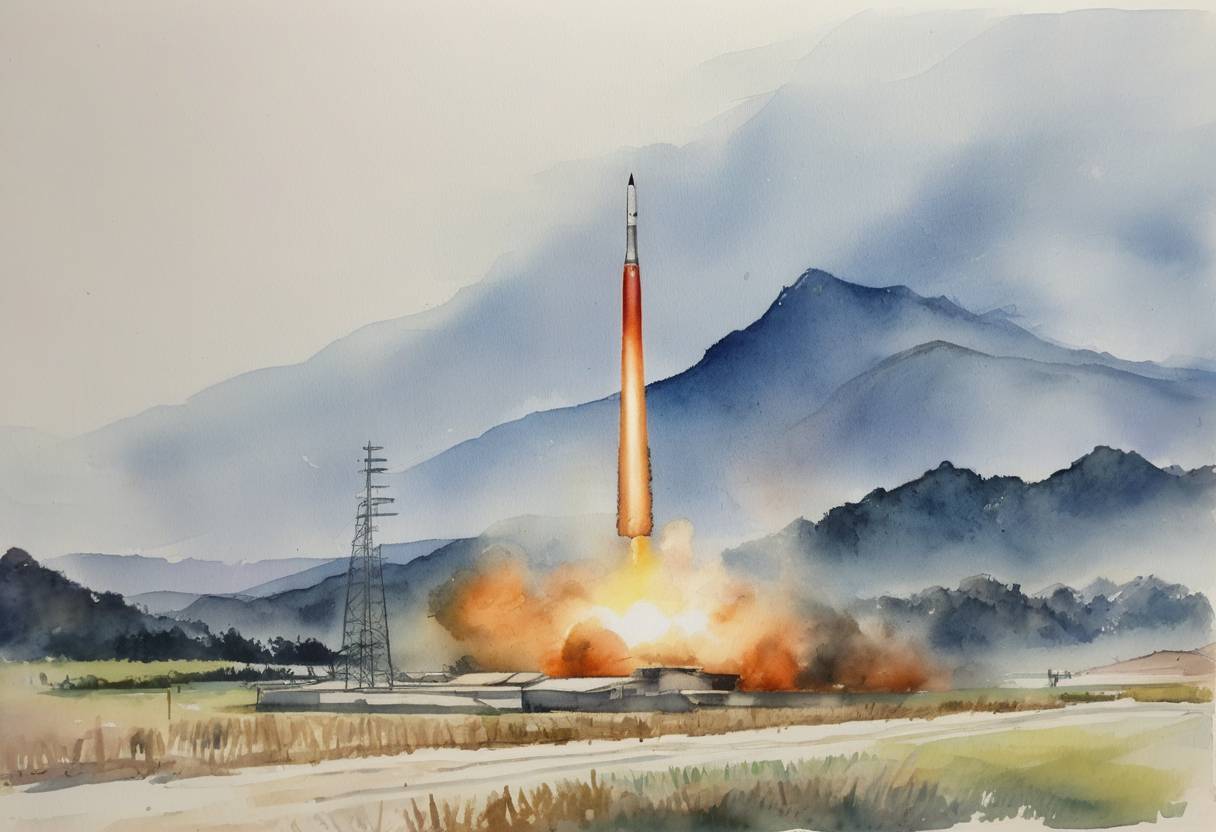
On February 12, 2017, North Korea conducted a test of the Pukguksong-2, a medium-range ballistic missile, marking a significant moment in the intensifying military tensions on the Korean Peninsula. This test represented North Korea’s first missile launch since the United States and South Korea welcomed new presidents, Donald Trump and Moon Jae-in, respectively.
The Pukguksong-2 is a land-based variant of the submarine-launched Pukguksong-1 missile. This solid-fueled missile has been a part of North Korea’s strategy to enhance its missile capabilities, allowing for quicker deployment and reduced preparation time compared to liquid-fueled missiles.
The Pukguksong-2 test was perceived as both a technological progression and a political statement directed toward the newly inaugurated U.S. and South Korean administrations. Analysts believed it was intended to test the response capabilities and diplomatic strategies of the nascent Trump and Moon administrations.
The missile test underscored the ongoing complexities surrounding the Korean Peninsula’s security dynamics and set the stage for elevated tensions and diplomatic negotiations in the coming years. It contributed to the accelerated nuclear and missile tests by North Korea throughout 2017, which would lead to increased global efforts to address the issues through sanctions and negotiations.
Overall, the February 12 missile test was a critical point in North Korea’s strategic demonstration of its missile capabilities, signaling future advancements and the regime’s persistent defiance of international norms.
Source: www.nytimes.com