The Inaugural Tour de France: July 1, 1903
1903 · Montgeron, France
The first Tour de France bicycle race begins, organized by the newspaper L'Auto.
May 17, 1950
The first Tour de France cycling race post-World War II was officially announced to commence in July after being resumed following its suspension during the war years.
Paris, France | Tour de France organizing committee
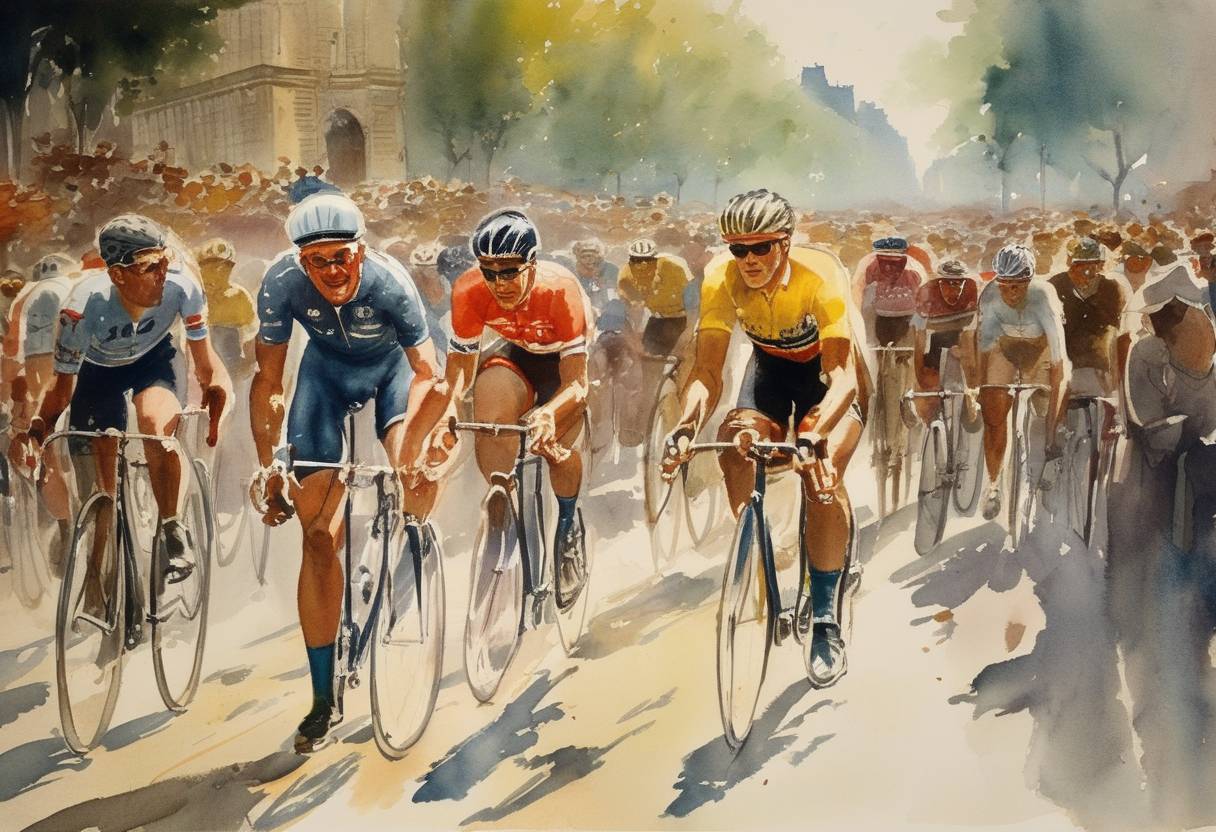
The Tour de France, one of the world’s most prestigious bicycle races, was interrupted during World War II, with its last pre-war edition held in 1939. The war caused significant disruption in Europe, affecting all aspects of life, including major international sports events. With the conflict ending in 1945, Europe gradually began to rebuild, and so did its cultural and sporting events.
On May 17, 1950, it was officially announced that the Tour de France would commence in July, marking another post-war edition of this storied race. The event had been successfully resumed in 1947, after a hiatus of eight years, establishing itself once again as a symbol of recovery and resilience in post-war France.
The successful resumption of the Tour de France was a testament to Europe’s resilience and the enduring popularity of the sport. It demonstrated how cultural traditions could be restored and maintained in the face of immense adversity. The 1950 race attracted significant attention and laid the groundwork for continued international participation and interest in cycling as a competitive sport.
The race, as it unfolded, provided not only thrilling competition but also contributed to collective healing and the rebuilding of international relationships through sports.
Source: www.letour.fr