The Execution of Nine Czech Students and the Origins of International Students’ Day
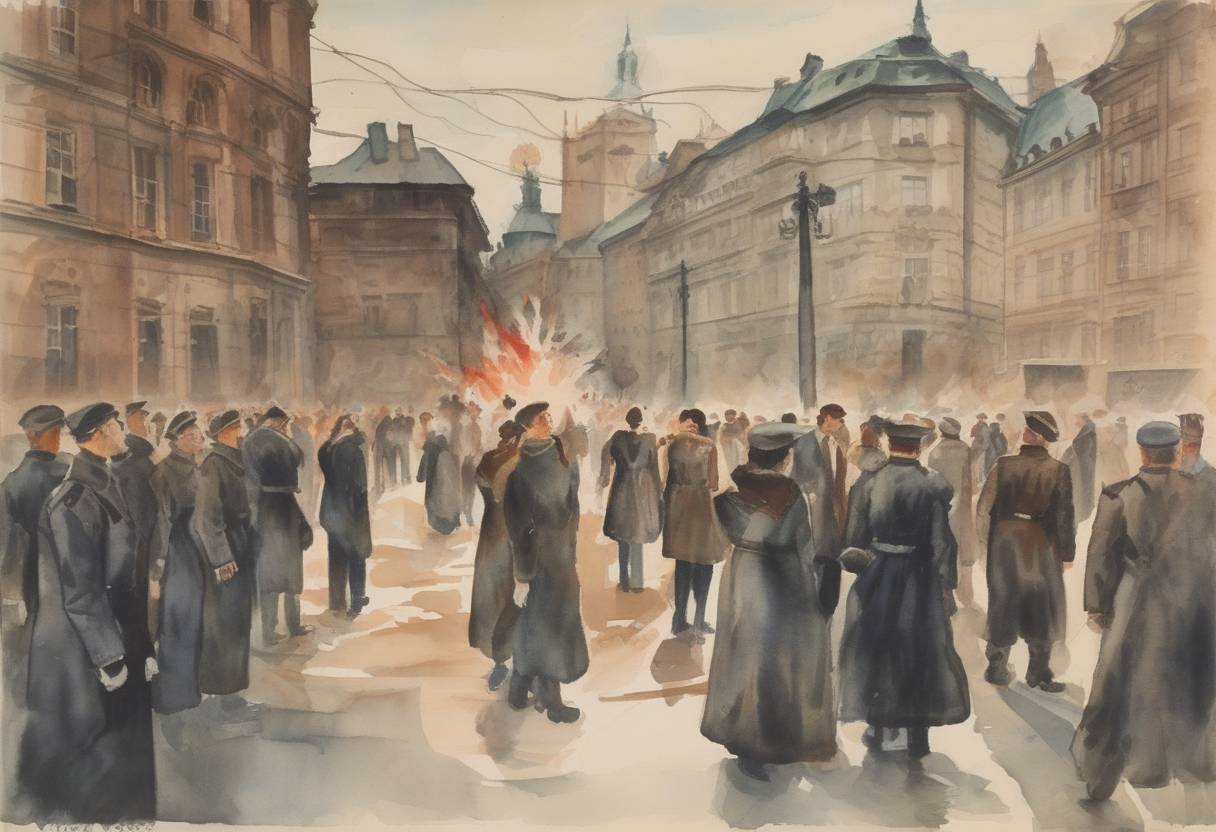
On November 17, 1939, a tragic and pivotal event unfolded in Nazi-occupied Czechoslovakia that would resonate globally and lead to the observance of International Students’ Day. This day commemorates the execution of nine Czech students and professors, a brutal response by the Nazi regime to student-led demonstrations against their occupation.
Context and Events Leading Up to November 17, 1939
The roots of this event trace back to the occupation of Czechoslovakia by Nazi Germany in March 1939. The annexation of the Czech lands into the Protectorate of Bohemia and Moravia was met with widespread resentment and resistance among the Czech population, particularly among university students.
On October 28, 1939, Czech students organized demonstrations in Prague to mark the anniversary of Czechoslovakia’s independence from Austria-Hungary in 1918. These demonstrations were a bold act of defiance against the oppressive Nazi regime. The protests were met with violent repression, resulting in the death of a medical student named Jan Opletal, who became a symbol of Czech resistance.
Opletal’s funeral on November 15, 1939, turned into another large-scale protest against the occupation. The Nazi authorities, determined to crush any form of dissent, responded with severe measures.
The Executions and Crackdown
On November 17, 1939, the Nazi regime executed nine student leaders and professors without trial. These individuals were:
- Josef Adamec
- Jan Černý
- Marek Frauwirth
- Jaroslav Klíma
- Jan Weinert
- Josef Matoušek
- František Skorkovský
- Bedřich Koula
- Václav Šafránek
In addition to these executions, the Nazis ordered the closure of all Czech universities and colleges, arresting over 1,200 students and sending them to concentration camps. This brutal crackdown was intended to serve as a warning and to suppress any further resistance.
Aftermath and Historical Significance
The events of November 17, 1939, had a profound impact both within Czechoslovakia and internationally. The executions and the closure of Czech universities drew widespread condemnation and highlighted the oppressive nature of the Nazi regime.
In 1941, the International Students’ Council, which was meeting in London, declared November 17 as International Students’ Day. This observance was established to commemorate the courage and sacrifice of the Czech students and to promote the ideals of student activism and resistance against oppression worldwide.
International Students’ Day has since evolved into a global observance, celebrated in many countries to honor student activism and the pursuit of education and human rights.
Conclusion
The execution of the nine Czech students on November 17, 1939, remains a poignant reminder of the cost of resistance against tyranny. It underscores the enduring power of student activism and the global commitment to remembering those who have fought for freedom and justice. International Students’ Day serves as a tribute to their legacy and a call to continue advocating for the rights and freedoms of students everywhere.