Earthquake in Central Italy - September 26, 1997
1997 · Assisi, Italy
An earthquake in central Italy kills 11 people and damages the Basilica of St. Francis in Assisi.
August 24, 2016
A magnitude 6.2 earthquake struck central Italy, causing significant destruction and resulting in the deaths of nearly 300 people.
Amatrice, Italy | Italian Civil Protection
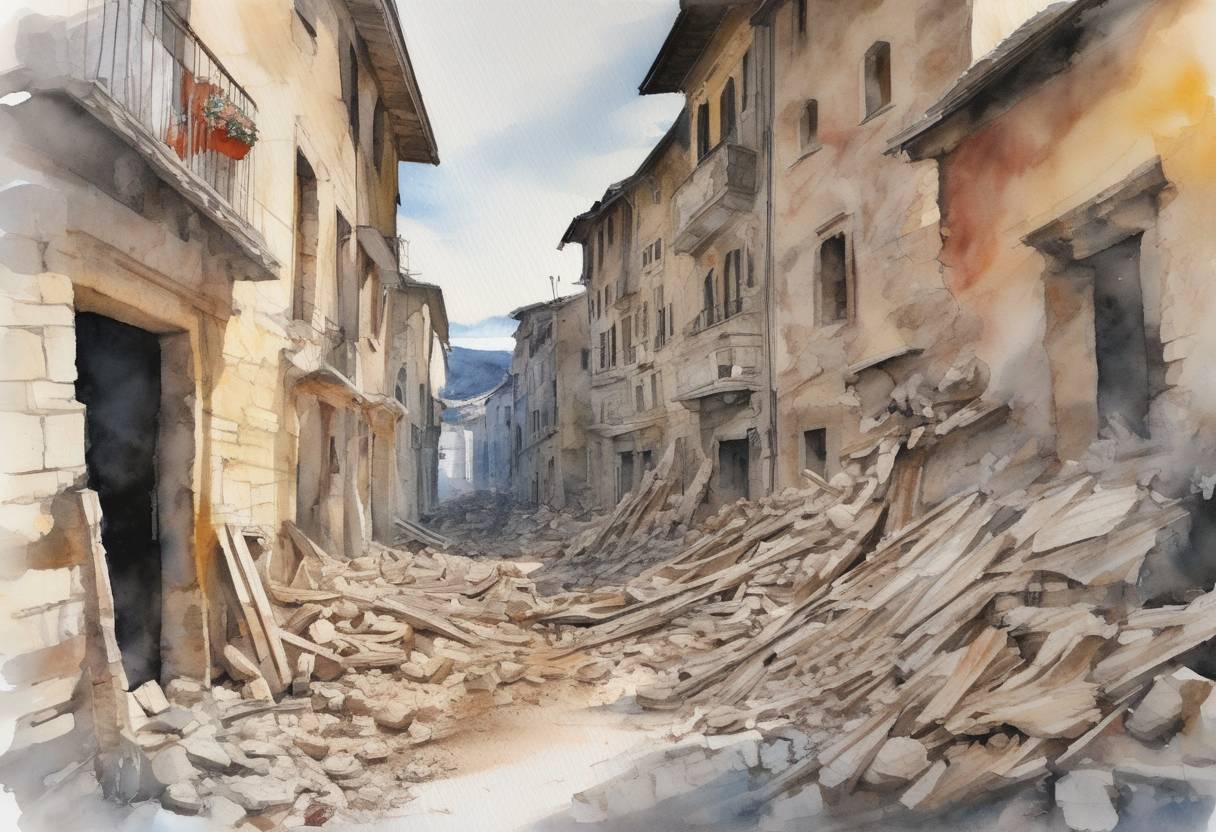
On August 24, 2016, a powerful earthquake with a magnitude of 6.2 struck central Italy, causing widespread devastation and resulting in the tragic loss of nearly 300 lives. The earthquake occurred at 03:36 local time (01:36 UTC) and had a profound impact on several towns in the regions of Lazio, Marche, Umbria, and Abruzzo.
Epicenter and Depth: The earthquake’s epicenter was near the town of Accumoli in the province of Rieti, Lazio. It struck at a shallow depth of approximately 4.4 kilometers (2.7 miles), which contributed to the severe damage experienced on the surface.
Affected Areas: The towns of Amatrice, Accumoli, and Arquata del Tronto were among the hardest hit. Amatrice, in particular, suffered extensive destruction, with many of its historic buildings reduced to rubble.
Casualties and Damage: The earthquake resulted in the deaths of nearly 300 people and injured hundreds more. Thousands were left homeless as buildings collapsed or were deemed unsafe. The destruction was so severe that it prompted a national state of emergency.
Seismic Activity: Central Italy is part of a seismically active region due to the complex tectonic interactions between the Eurasian and African plates. The area has a history of significant earthquakes, including the 2009 L’Aquila earthquake.
Response and Recovery: The Italian government, along with international aid organizations, responded swiftly to the disaster. Rescue operations were launched immediately, with emergency services and volunteers working tirelessly to search for survivors amidst the rubble.
Reconstruction Efforts: In the aftermath, efforts were made to rebuild the affected communities. However, the process was slow and challenging due to the extent of the damage and the need to preserve the cultural heritage of the historic towns.
The 2016 earthquake highlighted the vulnerability of Italy’s historic towns to seismic events and underscored the importance of implementing stringent building codes and retrofitting existing structures to withstand earthquakes. It also brought attention to the need for effective disaster preparedness and response strategies in seismically active regions.
The tragedy of August 24, 2016, remains a poignant reminder of the destructive power of natural disasters and the resilience of communities in the face of adversity.
Source: www.bbc.com