The Sinking of the RMS Titanic: April 15, 1912
1912 · North Atlantic Ocean, None
The RMS Titanic sank in the North Atlantic Ocean after hitting an iceberg, resulting in the deaths of over 1,500 passengers and crew.
January 23, 1909
The RMS Republic, a passenger ship, sinks off the coast of Nantucket after colliding with another ship, resulting in the first recorded use of the CQD distress signal.
Nantucket, United States | White Star Line
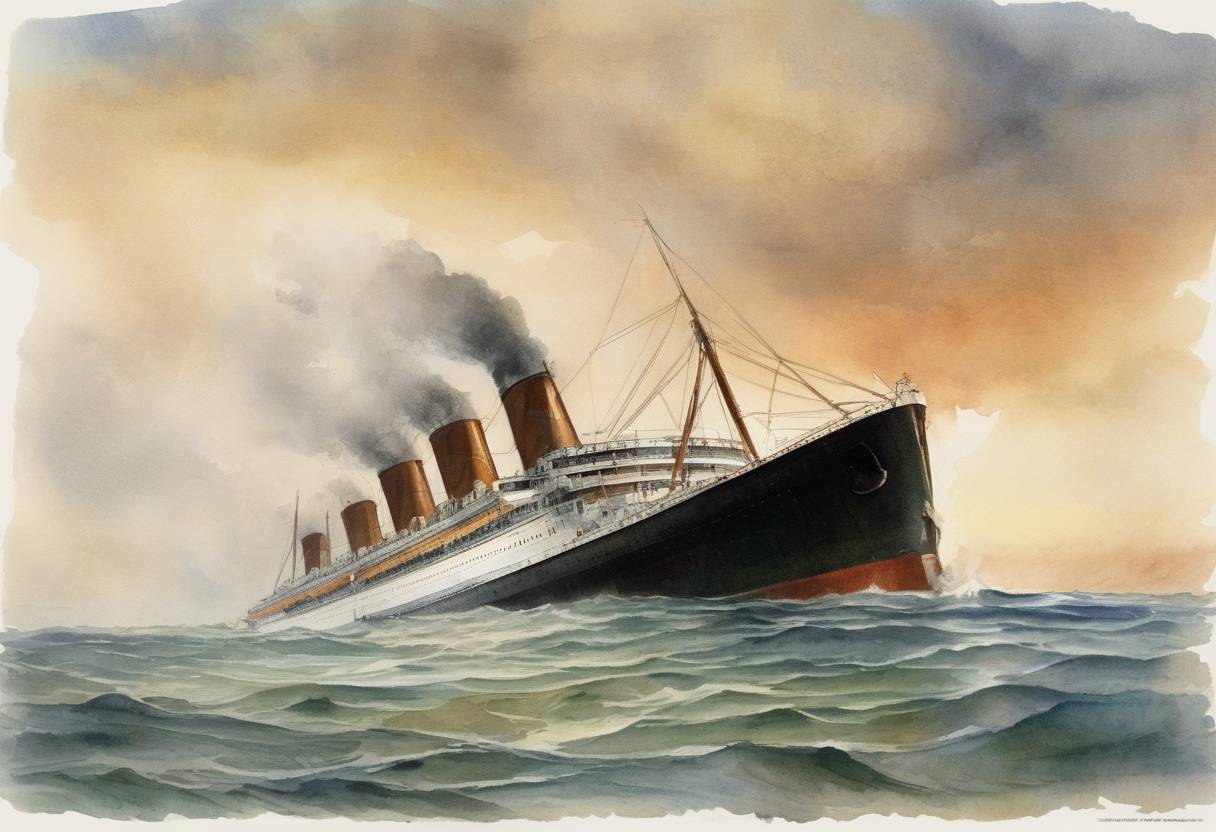
On January 23, 1909, the RMS Republic, a White Star Line passenger ship, sank off the coast of Nantucket, Massachusetts, following a collision with the Italian liner SS Florida. This incident is historically significant as it marked the first recorded use of the CQD distress signal, a precursor to the SOS signal.
The RMS Republic was a luxurious ocean liner, launched in 1903, known for its opulence and modern amenities. It was part of the White Star Line, the same company that later operated the infamous RMS Titanic. The Republic was en route from New York to Gibraltar, carrying passengers and cargo, including a rumored shipment of gold.
In the early hours of January 23, 1909, the Republic was navigating through dense fog off the coast of Nantucket. Despite the fog, the ship maintained its course, relying on its advanced Marconi wireless telegraph system, a relatively new technology at the time.
At approximately 5:47 AM, the Republic collided with the SS Florida, which was carrying Italian immigrants to the United States. The impact was severe, causing significant damage to the Republic’s hull.
Following the collision, the Republic’s wireless operator, Jack Binns, sent out a CQD distress signal. CQD, which stood for “Come Quick, Danger,” was the first internationally recognized distress call, introduced by the Marconi Company in 1904. Binns’ transmission was received by other ships and shore stations, leading to a coordinated rescue effort.
The SS Florida, despite being damaged, remained afloat and assisted in the rescue of the Republic’s passengers. The White Star Line’s RMS Baltic responded to the CQD call and arrived to aid in the evacuation. Remarkably, most passengers and crew were safely transferred, with only six fatalities reported.
The Republic eventually sank on January 24, 1909, the day after the collision. The incident highlighted the importance of wireless communication at sea and contributed to the eventual adoption of the SOS signal as the standard maritime distress call in 1912.
The sinking of the RMS Republic is remembered not only for its dramatic rescue operation but also for its role in advancing maritime safety protocols. The successful use of the CQD distress signal demonstrated the critical role of wireless technology in saving lives at sea, paving the way for future innovations in maritime communication.
The event also underscored the need for improved safety measures on passenger ships, influencing subsequent regulations and practices in the shipping industry.
Source: en.wikipedia.org