Suicide Bombing in Baghdad - June 8, 2008
2008 · Baghdad, Iraq
A suicide bomber kills 13 people and injures 30 others at a police checkpoint in Baghdad, Iraq, highlighting ongoing instability in the region.
March 6, 2008
A suicide bomber killed at least 68 people and injured more than 100 others in Baghdad, Iraq, during a crowded shopping event.
Baghdad, Iraq | unknown
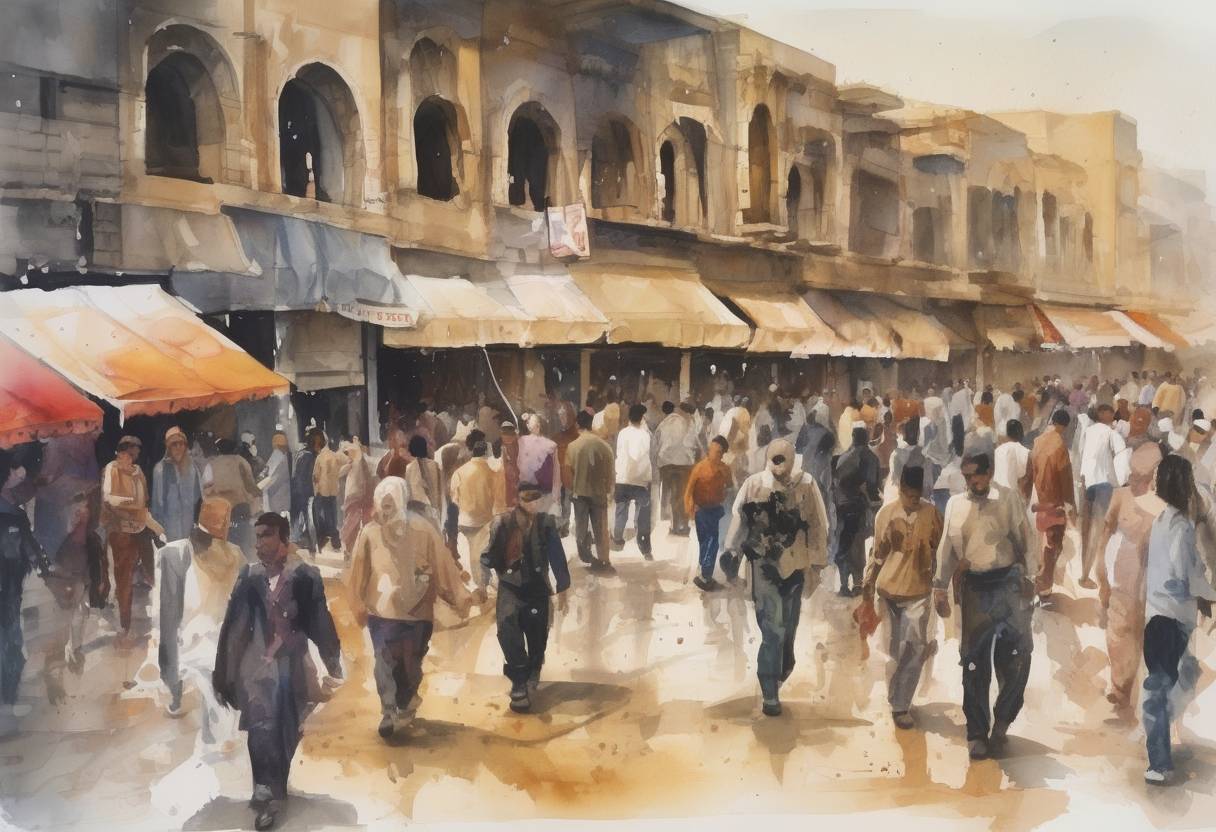
On March 6, 2008, a devastating suicide bombing occurred in Baghdad, Iraq, resulting in the deaths of at least 68 people and injuring more than 100 others. This tragic event took place during a crowded shopping event, underscoring the persistent instability and violence that plagued Iraq during this period.
The bombing happened during a time when Iraq was struggling with sectarian violence and insurgency following the U.S.-led invasion in 2003. The invasion had led to the toppling of Saddam Hussein’s regime but also resulted in significant political and social upheaval. The power vacuum and sectarian tensions contributed to a surge in violence, with various groups, including Al-Qaeda in Iraq, engaging in terrorist activities to destabilize the government and incite further conflict.
This bombing was part of a broader pattern of violence that characterized Iraq during the mid-2000s. It illustrated the difficulties in achieving peace and security in a nation grappling with deep-seated sectarian tensions and the aftermath of foreign intervention. The event also served as a grim reminder of the human cost of ongoing conflict and the resilience required by the Iraqi people in the face of such adversity.
Overall, the March 6, 2008, bombing in Baghdad remains a poignant example of the challenges Iraq faced during this tumultuous period in its history.
Source: www.nytimes.com