Jeremy Corbyn Elected Leader of the UK Labour Party
2015 · London, United Kingdom
Jeremy Corbyn was elected leader of the UK Labour Party, marking a significant shift to the left in the party's policies and leadership.
September 13, 2015
Jeremy Corbyn was elected leader of the Labour Party in the United Kingdom, marking a significant shift to the left in the party's policies.
London, United Kingdom | Labour Party
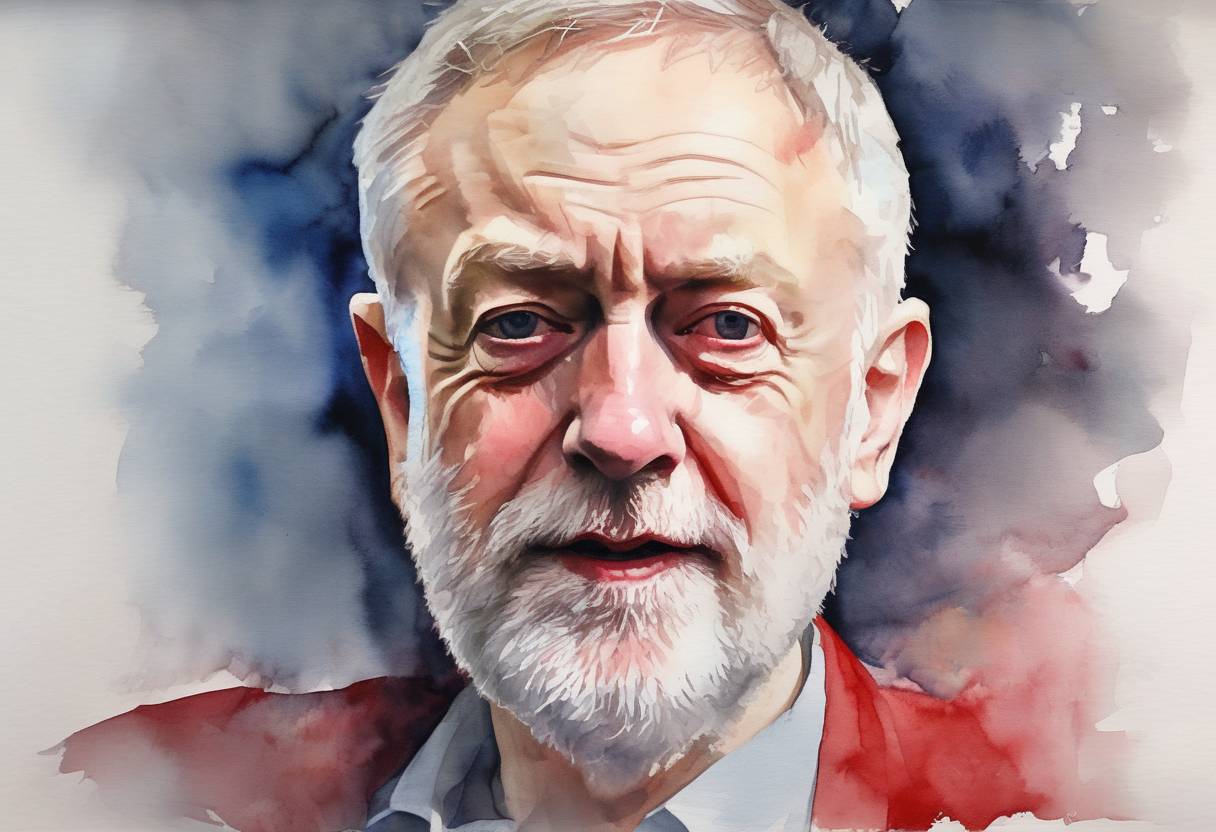
On September 13, 2015, Jeremy Corbyn was elected leader of the Labour Party in the United Kingdom, marking a significant shift to the left in the party’s policies. This event was a pivotal moment in British politics, reflecting broader changes within the Labour Party and the political landscape of the UK.
Before Corbyn’s election, the Labour Party had been perceived as moving towards the political center, especially during the leadership of Tony Blair and Gordon Brown, who emphasized “New Labour” policies. This centrist approach aimed to appeal to a broader electorate by adopting more market-friendly policies.
Jeremy Corbyn, a long-serving Member of Parliament for Islington North since 1983, was known for his strong socialist views and activism. His candidacy for the Labour leadership was initially seen as a long shot. However, his campaign gained significant momentum, particularly among younger voters and grassroots activists, who were drawn to his promises of anti-austerity measures, public ownership of key industries, and a more pacifist foreign policy.
The leadership election was conducted under a new voting system, which allowed party members, registered supporters, and affiliated supporters to vote. Corbyn won a decisive victory, securing nearly 60% of the first-preference votes, far ahead of his rivals Andy Burnham, Yvette Cooper, and Liz Kendall.
Corbyn’s leadership marked a return to more traditional socialist policies for the Labour Party. His platform included:
Corbyn’s election energized a significant segment of the Labour Party’s base, leading to a surge in party membership. However, it also led to divisions within the party, with some members of the parliamentary Labour Party expressing concerns about his leadership style and electability.
Corbyn’s leadership faced numerous challenges, including internal party conflicts and criticism from the media. Despite these challenges, he led the Labour Party through two general elections, in 2017 and 2019. The 2017 election saw a surprising increase in Labour’s vote share, resulting in a hung parliament, while the 2019 election resulted in a significant defeat for Labour.
Corbyn’s tenure as leader ended in April 2020, when Keir Starmer succeeded him. His leadership left a lasting impact on the Labour Party, influencing its policies and the broader political discourse in the UK.
In summary, Jeremy Corbyn’s election as Labour leader on September 13, 2015, was a transformative event that reshaped the party’s direction and had significant implications for British politics.
Source: www.bbc.com