The Attack on Pearl Harbor: December 7, 1941
1941 · Pearl Harbor, United States
The Imperial Japanese Navy attacks the United States naval base at Pearl Harbor, Hawaii, leading to the United States' entry into World War II.
December 27, 1922
The Japanese aircraft carrier Hōshō became the first purpose-built aircraft carrier to be commissioned.
Yokosuka, Japan | Imperial Japanese Navy
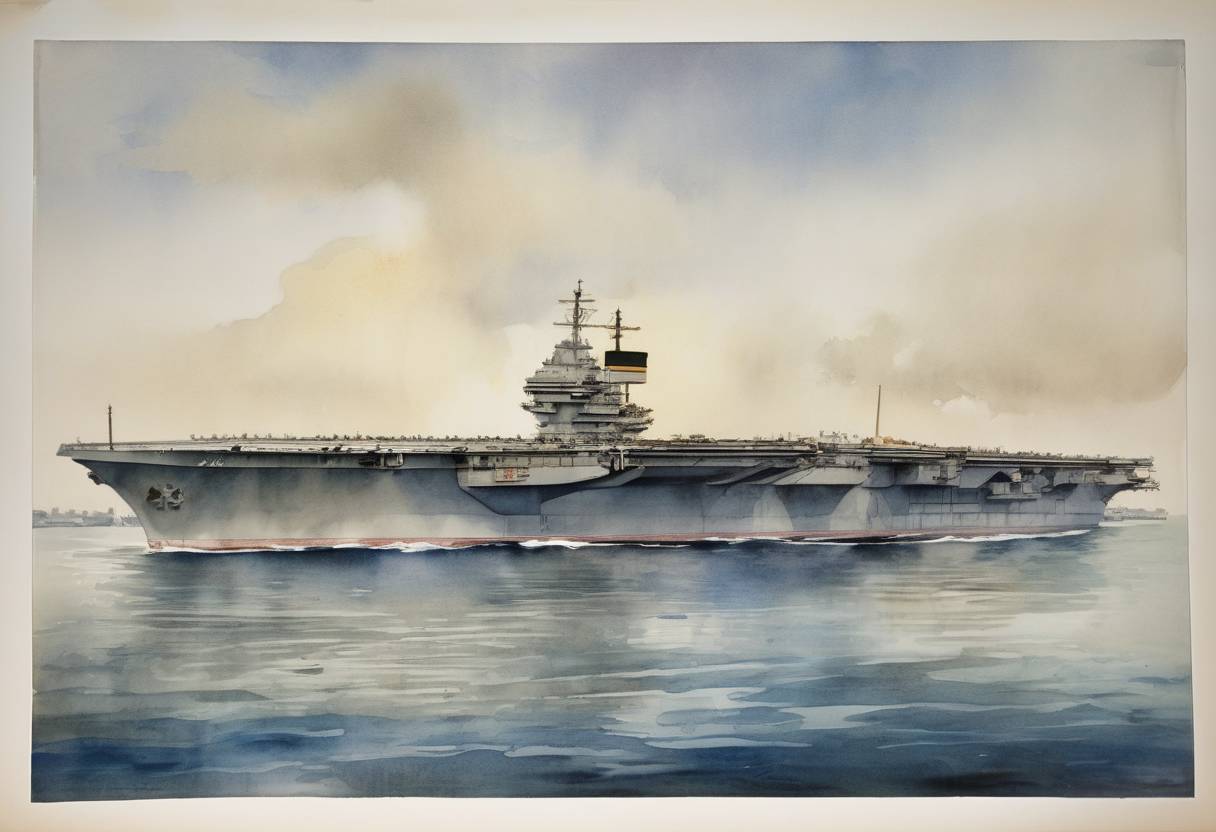
On December 27, 1922, the Imperial Japanese Navy commissioned the Hōshō, marking a significant milestone in naval aviation history as the first purpose-built aircraft carrier to enter service. This event underscored Japan’s commitment to advancing its naval capabilities and adapting to the evolving nature of maritime warfare.
The development of the Hōshō was influenced by the growing recognition of the strategic importance of air power in naval operations. The concept of an aircraft carrier had been explored by several navies, but prior to the Hōshō, existing carriers were typically converted from other types of ships. The Hōshō was designed from the keel up to serve as an aircraft carrier, reflecting a forward-thinking approach to naval design.
Following its commissioning, the Hōshō played a crucial role in the development of Japanese naval aviation tactics and training. It participated in numerous fleet exercises and served as a platform for testing carrier-based aircraft operations.
The commissioning of the Hōshō represented a pivotal moment in naval history, as it demonstrated the potential of aircraft carriers to project power and influence naval engagements. The lessons learned from the Hōshō’s operations informed the design and deployment of subsequent Japanese carriers, which played critical roles during World War II.
The Hōshō’s legacy is reflected in its pioneering role in naval aviation. As the first purpose-built aircraft carrier, it set a precedent for future carrier designs and underscored the strategic importance of air power in naval warfare. Its commissioning marked the beginning of a new era in naval strategy, one that would see aircraft carriers become central to naval operations worldwide.
In summary, the Hōshō’s commissioning on December 27, 1922, was a landmark event that highlighted Japan’s innovative approach to naval warfare and its commitment to integrating air power into its naval forces.
Source: www.history.navy.mil