The Formation of the Solidarity Movement: August 19, 1980
1980 · Gdańsk, Poland
The Polish government agrees to meet with striking workers at the Gdańsk Shipyard, leading to the formation of the Solidarity movement.
September 17, 1980
The Solidarity movement in Poland was officially recognized by the Polish government, marking a significant moment in the struggle for workers' rights and political reform in Eastern Europe.
Gdańsk, Poland | Solidarity
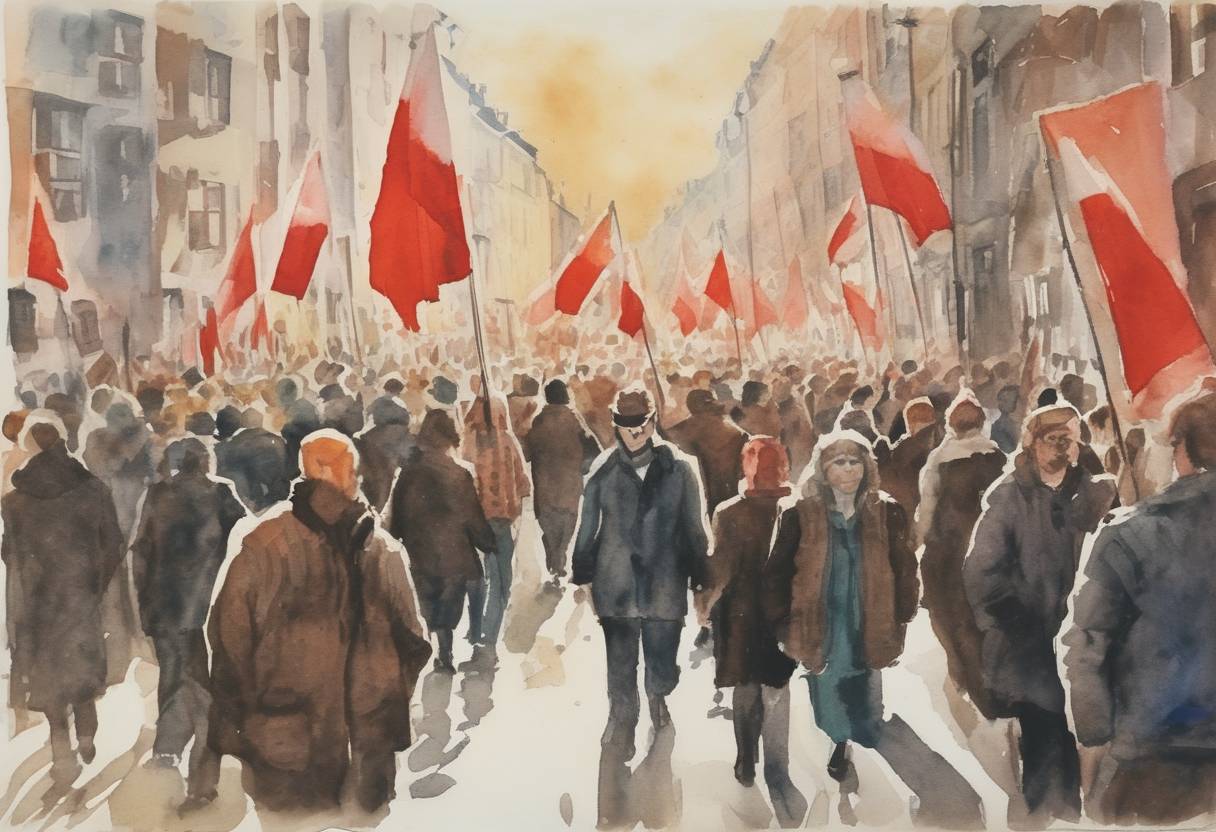
On September 17, 1980, a pivotal moment in Eastern European history unfolded as the Polish government officially recognized the Solidarity movement. This event marked a significant milestone in the struggle for workers’ rights and political reform in the region, setting the stage for transformative changes in Poland and beyond.
The Solidarity movement, known in Polish as “Solidarność,” emerged from a wave of labor unrest in Poland during the summer of 1980. The immediate catalyst was a series of strikes at the Lenin Shipyard in Gdańsk, led by electrician Lech Wałęsa. The workers were protesting against rising food prices, poor working conditions, and the lack of political freedoms under the communist regime.
The movement quickly gained momentum, with workers across Poland joining in solidarity. The strikers demanded the right to form independent trade unions, freedom of expression, and the release of political prisoners. These demands were revolutionary in a Soviet-dominated Eastern Bloc where such freedoms were severely restricted.
August 1980: The Gdańsk Agreement was signed on August 31, 1980, between the striking workers and the Polish government. This agreement allowed for the formation of independent trade unions and granted the right to strike, marking the first time a communist government in Eastern Europe had conceded such rights.
Formation of Solidarity: Following the Gdańsk Agreement, Solidarity was officially founded on September 17, 1980, as a national trade union federation. It was the first non-communist trade union in a Warsaw Pact country, representing a broad coalition of workers, intellectuals, and activists.
The Polish government’s recognition of Solidarity was a groundbreaking development. It signified a shift in the political landscape of Eastern Europe, challenging the monopoly of communist parties and inspiring similar movements across the region. Solidarity’s recognition also highlighted the power of peaceful protest and negotiation in achieving political change.
Martial Law: Despite its initial success, Solidarity faced significant challenges. In December 1981, the Polish government, under General Wojciech Jaruzelski, declared martial law, banning Solidarity and arresting its leaders, including Lech Wałęsa.
Continued Resistance: Solidarity continued to operate underground, maintaining its influence and support among the Polish populace. The movement played a crucial role in the eventual collapse of communist rule in Poland.
Fall of Communism: Solidarity’s persistence contributed to the broader wave of democratization in Eastern Europe. By 1989, negotiations between the government and Solidarity led to semi-free elections, resulting in a landslide victory for the movement and paving the way for the end of communist rule in Poland.
The recognition of Solidarity was a catalyst for change not only in Poland but throughout the Eastern Bloc. It demonstrated the potential for grassroots movements to challenge authoritarian regimes and inspired similar efforts in other countries, ultimately contributing to the fall of the Iron Curtain and the end of the Cold War.
In summary, the official recognition of the Solidarity movement on September 17, 1980, was a landmark event in the history of Eastern Europe, symbolizing the power of collective action and the enduring quest for freedom and democracy.
Source: www.britannica.com