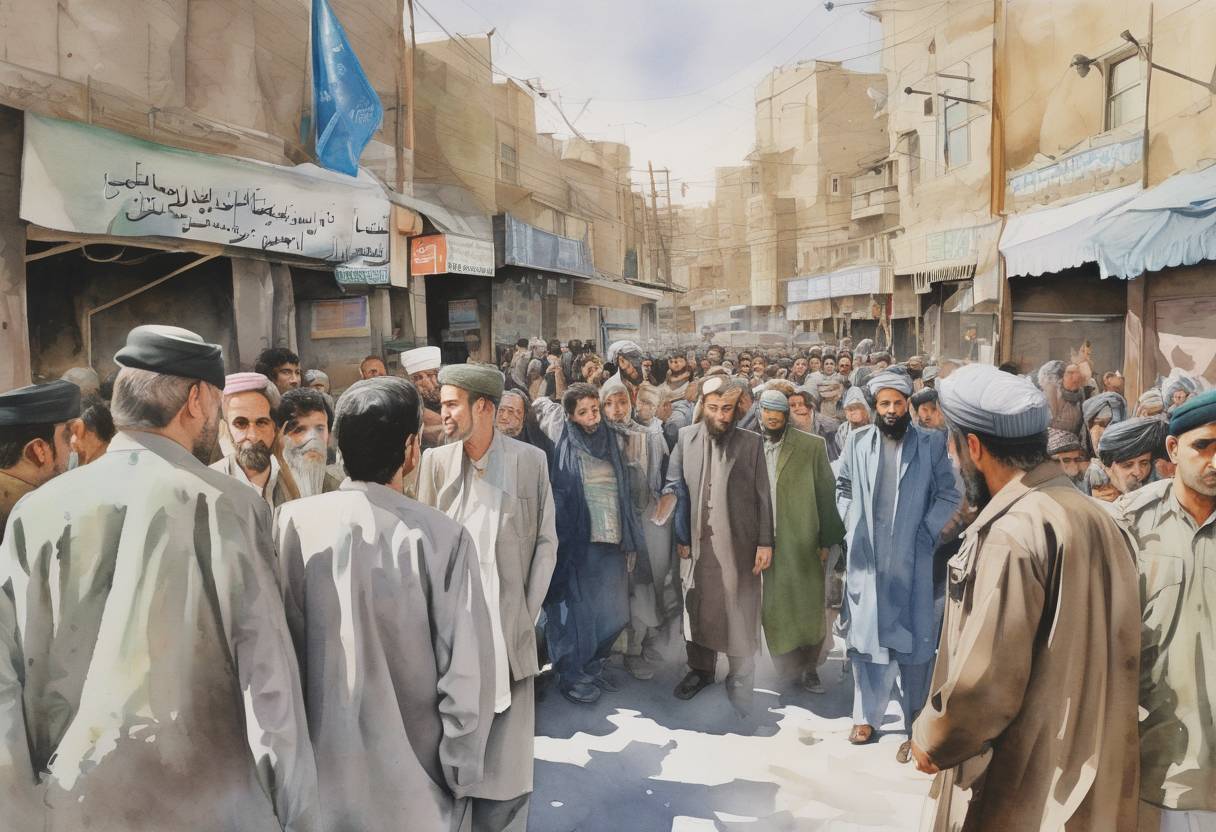
Afghanistan’s Second Presidential Election: August 19, 2009
On August 19, 2009, Afghanistan held its second presidential election since the fall of the Taliban regime in 2001. This election was a significant event in the country’s ongoing efforts to establish a stable and democratic political system. However, the election was marred by widespread allegations of electoral fraud and violence, which posed significant challenges to its legitimacy and the broader democratic process in Afghanistan.
Context Leading Up to the Election
- Post-Taliban Political Landscape: After the U.S.-led invasion in 2001, Afghanistan embarked on a path towards democracy. The first presidential election was held in 2004, resulting in the election of Hamid Karzai as president.
- Security Concerns: By 2009, Afghanistan was still grappling with insurgency and instability, with the Taliban and other militant groups actively opposing the government and foreign forces.
- International Involvement: The international community, particularly the United States and NATO, was heavily involved in Afghanistan, both militarily and in terms of supporting the electoral process.
Key Events of the 2009 Election
- Candidates: The incumbent president, Hamid Karzai, was running for re-election. His main challenger was Abdullah Abdullah, a former foreign minister. There were several other candidates, but Karzai and Abdullah were the primary contenders.
- Electoral Fraud Allegations: Reports of widespread electoral fraud emerged, including ballot stuffing, voter intimidation, and manipulation of results. These allegations were particularly pronounced in areas with low security, where monitoring was difficult.
- Violence and Intimidation: The Taliban had vowed to disrupt the elections, and there were numerous attacks on polling stations and voters. This violence discouraged voter turnout, particularly in rural and insecure regions.
Aftermath and Consequences
- Election Results: Initial results showed Karzai winning with a significant margin, but the allegations of fraud led to a protracted political crisis.
- UN and International Response: The United Nations and other international observers called for investigations into the fraud allegations. A UN-backed Electoral Complaints Commission was established to address these issues.
- Runoff Election: Due to the extent of the fraud, a runoff election was scheduled between Karzai and Abdullah. However, Abdullah withdrew from the runoff, citing concerns over the fairness of the process, leading to Karzai being declared the winner.
- Impact on Governance: The controversy surrounding the election weakened the Afghan government’s legitimacy and complicated international efforts to stabilize the country.
Broader Historical Significance
The 2009 presidential election highlighted the challenges Afghanistan faced in building a democratic system amidst ongoing conflict and instability. The issues of electoral fraud and violence underscored the difficulties in conducting free and fair elections in a war-torn nation. This election also had lasting implications for Afghanistan’s political landscape, affecting both domestic governance and international relations.
Overall, the 2009 election was a pivotal moment in Afghanistan’s post-Taliban history, reflecting both the progress and the persistent challenges in the country’s journey towards democracy.