Mercaz HaRav Yeshiva Shooting - March 6, 2008
2008 · Jerusalem, Israel
A Palestinian gunman kills eight students at the Mercaz HaRav yeshiva in Jerusalem.
September 28, 2000
The Second Intifada, also known as the Al-Aqsa Intifada, began following a visit by Israeli opposition leader Ariel Sharon to the Temple Mount in Jerusalem, a site sacred to both Jews and Muslims. The visit sparked protests and violence, leading to a prolonged period of conflict between Israelis and Palestinians.
Jerusalem, Israel | Israeli government
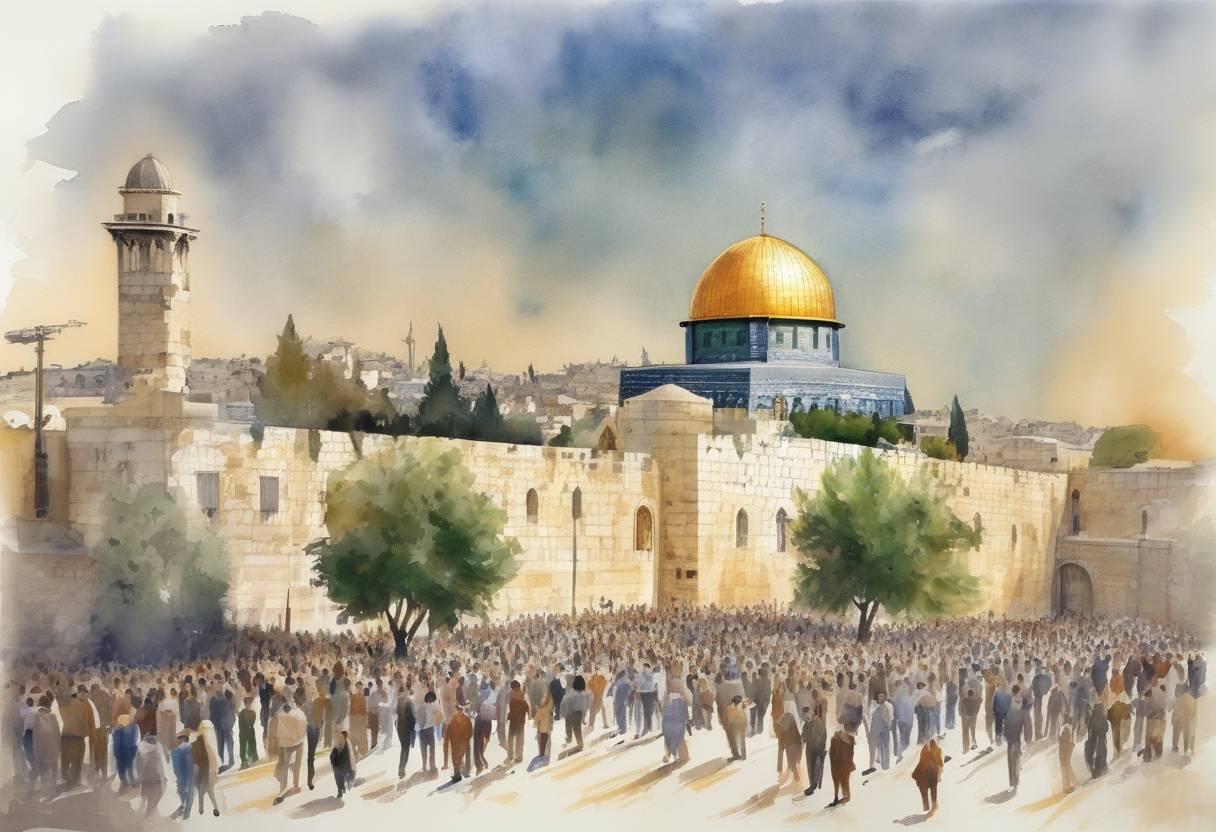
The Second Intifada, also known as the Al-Aqsa Intifada, was a significant period of intensified Israeli-Palestinian conflict that began on September 28, 2000. This uprising was rooted in longstanding tensions between Israelis and Palestinians over issues such as territorial disputes, the status of Jerusalem, and the broader Israeli-Palestinian peace process.
The immediate catalyst for the Second Intifada was the visit of Ariel Sharon, then the leader of the Israeli opposition, to the Temple Mount in Jerusalem on September 28, 2000. The Temple Mount is a site of profound religious significance to both Jews and Muslims. For Jews, it is the location of the First and Second Temples, while for Muslims, it is home to the Al-Aqsa Mosque and the Dome of the Rock, making it the third holiest site in Islam.
Sharon’s visit was perceived by many Palestinians as a provocative assertion of Israeli control over the contested site. Although Sharon stated that his visit was intended to demonstrate the right of Jews to visit the Temple Mount, it was seen by Palestinians as a challenge to their claims and rights in Jerusalem.
The day after Sharon’s visit, violent clashes erupted between Palestinian protesters and Israeli security forces. The protests quickly spread across the West Bank, Gaza Strip, and within Israel itself. The violence marked the beginning of the Second Intifada, characterized by widespread protests, riots, and violent confrontations.
The Second Intifada lasted for several years, with violence peaking between 2000 and 2005. It involved a range of tactics, including:
The Second Intifada resulted in significant casualties on both sides, with thousands of Palestinians and Israelis killed or injured. It also led to a severe deterioration in Israeli-Palestinian relations and a setback in the peace process.
The Second Intifada had lasting impacts on the region:
In summary, the Second Intifada was a pivotal event in the Israeli-Palestinian conflict, highlighting deep-seated issues and shaping the trajectory of the region’s politics and security landscape for years to come.
Source: www.britannica.com