Operation Storm: August 5, 1995
1995 · Knin, Croatia
The Croatian Army launched Operation Storm, a major offensive during the Croatian War of Independence.
October 8, 1991
The Croatian War of Independence: The Yugoslav People's Army begins an attack on the Croatian city of Dubrovnik.
Dubrovnik, Croatia | Yugoslav People's Army
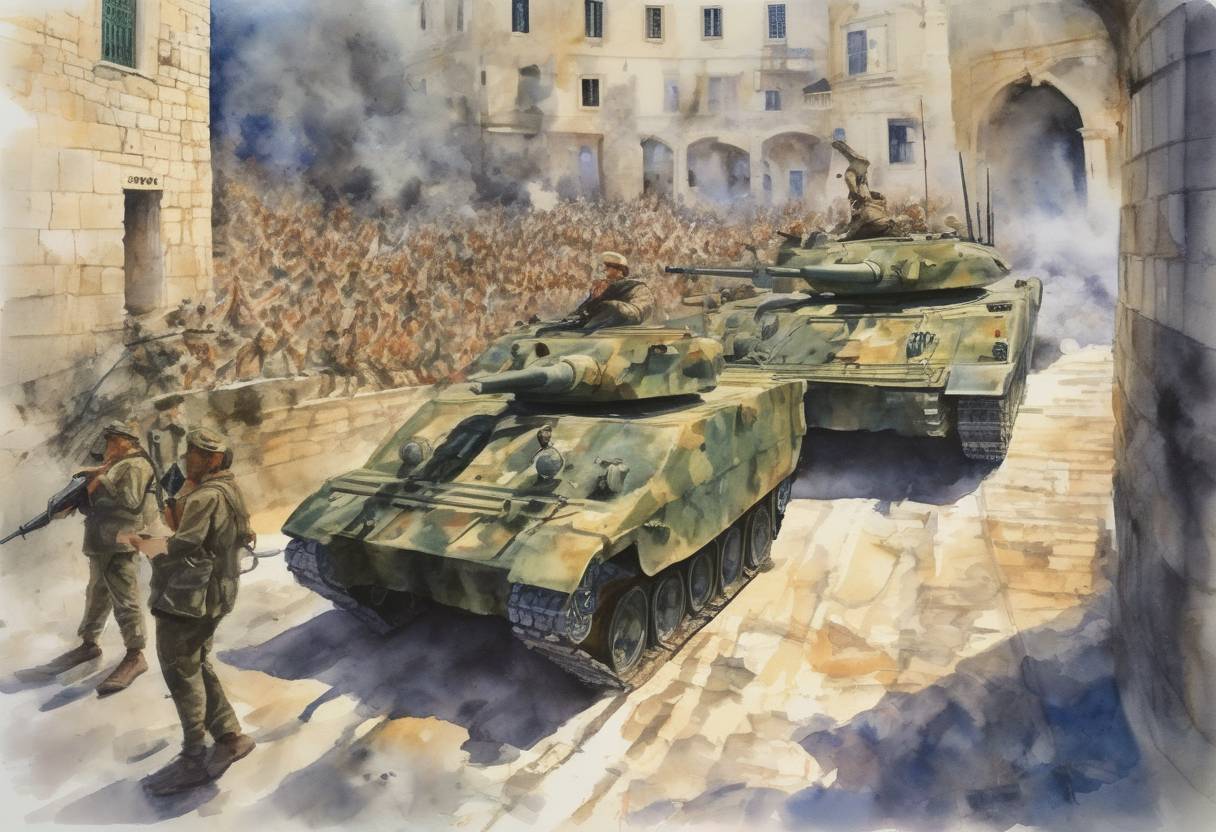
On October 8, 1991, the Yugoslav People’s Army (JNA) launched an attack on the Croatian city of Dubrovnik, marking a significant escalation in the Croatian War of Independence. This conflict was part of the broader disintegration of Yugoslavia, which saw several republics seeking independence amidst rising ethnic tensions and nationalist movements.
The Croatian War of Independence began in March 1991, following Croatia’s declaration of independence from Yugoslavia on June 25, 1991. The move was not recognized by the Yugoslav government, which was dominated by Serbia and opposed the secession of its republics. Tensions had been building due to ethnic divisions, with Croatia’s population consisting of a significant Serb minority.
Dubrovnik, a UNESCO World Heritage site known for its historic architecture and cultural significance, became a focal point of the conflict. The attack on Dubrovnik was part of a broader military strategy by the JNA to secure areas with significant Serb populations and to pressure the Croatian government.
Initial Assault: The siege began with heavy artillery bombardment from land and sea, targeting the city’s infrastructure and historic sites. The JNA aimed to cut off Dubrovnik from the rest of Croatia, isolating it and forcing a surrender.
Humanitarian Impact: The siege resulted in significant civilian casualties and damage to the city’s cultural heritage. The international community condemned the attack, highlighting the destruction of cultural monuments and the humanitarian crisis.
The attack on Dubrovnik drew widespread international condemnation. The European Community and the United Nations called for a ceasefire and negotiations. The siege became a symbol of the brutality of the Yugoslav Wars, galvanizing international support for Croatia.
Duration: The siege lasted until May 1992, when Croatian forces managed to lift the blockade and regain control of the area.
Cultural Impact: The extensive damage to Dubrovnik’s historic sites prompted significant international efforts for restoration and preservation.
Legal Consequences: In the years following the conflict, several JNA officers were indicted by the International Criminal Tribunal for the former Yugoslavia (ICTY) for war crimes related to the siege.
The attack on Dubrovnik highlighted the destructive nature of the Yugoslav Wars and the challenges of preserving cultural heritage during armed conflict. It also underscored the complexities of ethnic and national identities in the Balkans, contributing to the eventual recognition of Croatian independence by the international community.
The siege remains a poignant reminder of the human and cultural costs of war, as well as the resilience of communities in the face of adversity.
Source: en.wikipedia.org