Ayatollah Khomeini's Return to Iran - February 1, 1979
1979 · Tehran, Iran
Ayatollah Khomeini returns to Iran after 15 years in exile, marking the beginning of the Iranian Revolution.
January 16, 1979
The Shah of Iran, Mohammad Reza Pahlavi, left Iran for exile, marking a pivotal moment in the Iranian Revolution.
Tehran, Iran | Iranian Government
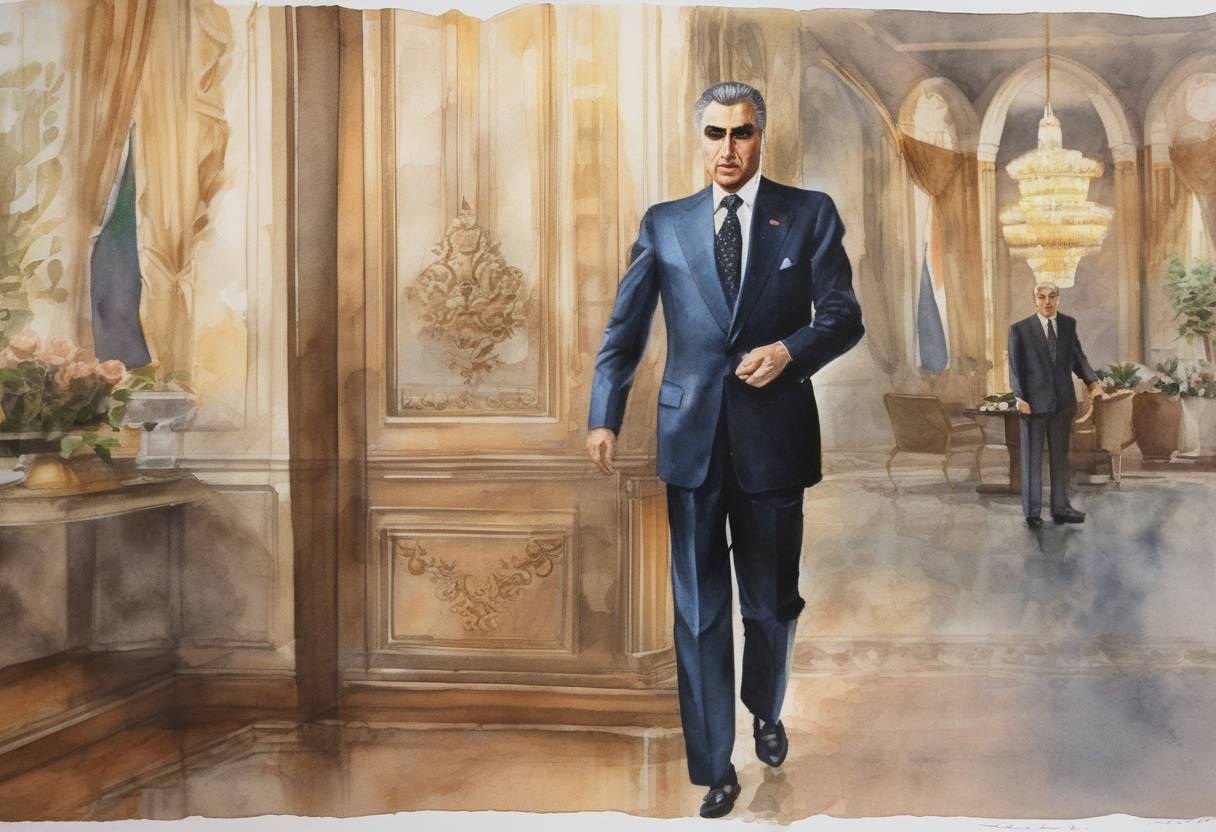
On January 16, 1979, Mohammad Reza Pahlavi, the Shah of Iran, left the country for exile, marking a pivotal moment in the Iranian Revolution. This event signified the collapse of the Pahlavi dynasty and the end of over two millennia of monarchical rule in Iran, paving the way for the establishment of the Islamic Republic.
The Shah’s departure was the culmination of years of mounting political and social unrest in Iran. Several key factors contributed to this situation:
Autocratic Rule and Westernization: The Shah’s regime was characterized by its autocratic governance and aggressive modernization policies, which included land reforms and the promotion of Western culture. These policies alienated traditional sectors of Iranian society, including the clergy and rural populations.
Savak and Political Repression: The Shah’s secret police, SAVAK, was notorious for its brutal repression of political dissent. This fostered widespread resentment and opposition among various political groups, including leftists, nationalists, and Islamists.
Economic Discontent: Despite Iran’s oil wealth, economic disparities persisted. Rapid industrialization led to urban migration and inflation, exacerbating social tensions.
Religious Opposition: The Shah’s secularization efforts were met with fierce opposition from religious leaders, most notably Ayatollah Ruhollah Khomeini, who became a central figure in the revolutionary movement.
1978 Protests: Throughout 1978, Iran witnessed a series of escalating protests and strikes. The government’s attempts to quell these demonstrations often resulted in violence, further galvanizing opposition.
Black Friday: On September 8, 1978, known as “Black Friday,” government forces killed dozens of protesters in Tehran, a turning point that intensified anti-Shah sentiments.
Political Pressure: By late 1978, the Shah faced immense pressure both domestically and internationally. The Carter administration in the United States, a key ally, began to distance itself from the Shah, urging him to implement reforms.
On January 16, 1979, the Shah and his family left Iran, initially seeking refuge in Egypt. His departure was officially described as a “vacation,” but it was widely understood as a permanent exile. The Shah’s exit left a power vacuum that was quickly filled by revolutionary forces.
Return of Khomeini: Ayatollah Khomeini returned to Iran from exile on February 1, 1979, and quickly assumed leadership of the revolution.
Establishment of the Islamic Republic: By April 1979, a national referendum resulted in the establishment of the Islamic Republic of Iran, fundamentally transforming the country’s political and social landscape.
Impact on Global Politics: The Iranian Revolution had profound implications for global geopolitics, particularly in the Middle East. It led to a shift in the regional balance of power and strained relations between Iran and Western countries, especially the United States.
The Shah’s departure on January 16, 1979, remains a significant moment in 20th-century history, symbolizing the end of an era and the beginning of a new, complex chapter in Iran’s history.
Source: www.britannica.com