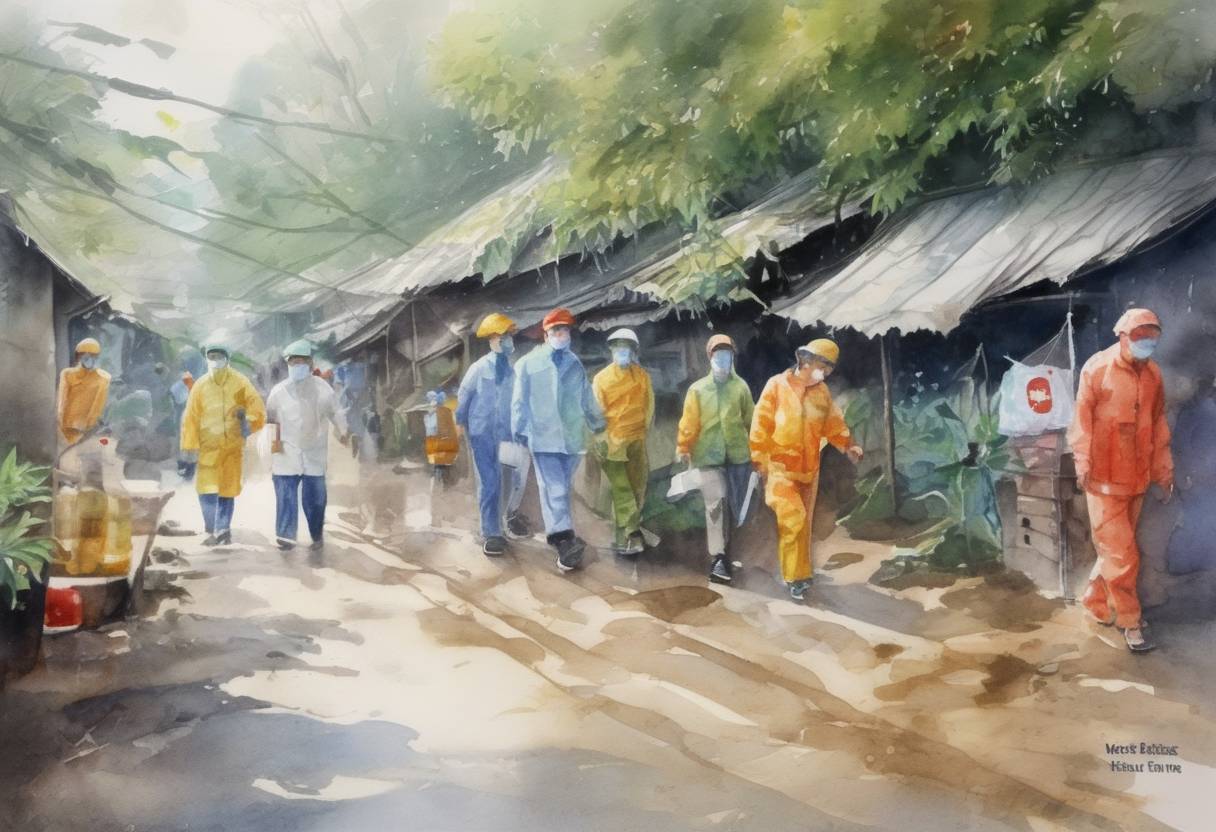
SARS Outbreak Contained in Vietnam: May 8, 2003
On May 8, 2003, the World Health Organization (WHO) declared Vietnam as the first country to successfully contain the Severe Acute Respiratory Syndrome (SARS) outbreak. This marked a significant milestone in the global fight against the SARS epidemic, which had emerged in late 2002 and rapidly spread across several countries.
Background
SARS is a viral respiratory illness caused by the SARS coronavirus (SARS-CoV). The outbreak began in Guangdong Province, China, in November 2002 and quickly spread to other countries, facilitated by international travel. By early 2003, SARS had become a global health concern, prompting urgent responses from health organizations worldwide.
Vietnam’s Response
Vietnam reported its first SARS case in late February 2003. The country faced a daunting challenge due to its limited healthcare infrastructure and resources. However, Vietnam’s response was swift and effective, characterized by several key strategies:
Rapid Identification and Isolation: Vietnamese health authorities quickly identified and isolated SARS cases, preventing further spread. Hospitals were equipped to handle and quarantine patients, minimizing community transmission.
International Collaboration: Vietnam worked closely with the WHO and other international health bodies to implement effective containment measures. This collaboration provided Vietnam with critical expertise and resources.
Public Health Measures: The government launched public health campaigns to educate the population about SARS and the importance of hygiene and reporting symptoms. This helped in early detection and treatment of cases.
Contact Tracing: Aggressive contact tracing efforts were implemented to identify and monitor individuals who had been in contact with SARS patients, ensuring that potential cases were quickly isolated.
Outcome and Significance
By May 8, 2003, Vietnam had successfully contained the SARS outbreak, with no new cases reported for 20 consecutive days. The WHO’s declaration was a testament to Vietnam’s effective public health response and served as a model for other countries battling the epidemic.
The successful containment of SARS in Vietnam highlighted the importance of rapid response, international cooperation, and public health infrastructure in managing infectious disease outbreaks. It also underscored the need for global vigilance and preparedness in the face of emerging health threats.
Aftermath
The global SARS outbreak was eventually contained by mid-2003, with over 8,000 cases and nearly 800 deaths reported worldwide. The experience gained from the SARS epidemic informed future responses to infectious diseases, including the H1N1 influenza pandemic in 2009 and the COVID-19 pandemic in 2020.
Vietnam’s achievement in containing SARS remains a significant example of effective epidemic management, demonstrating that even countries with limited resources can successfully combat global health threats through decisive action and international collaboration.