The Continental Congress Votes for Independence: July 2, 1776
1776 · Philadelphia, United States
The Continental Congress votes in favor of independence from Great Britain, leading to the adoption of the Declaration of Independence two days later.
May 4, 1776
Rhode Island became the first American colony to renounce allegiance to King George III, two months before the Declaration of Independence was adopted.
Providence, USA | Rhode Island General Assembly
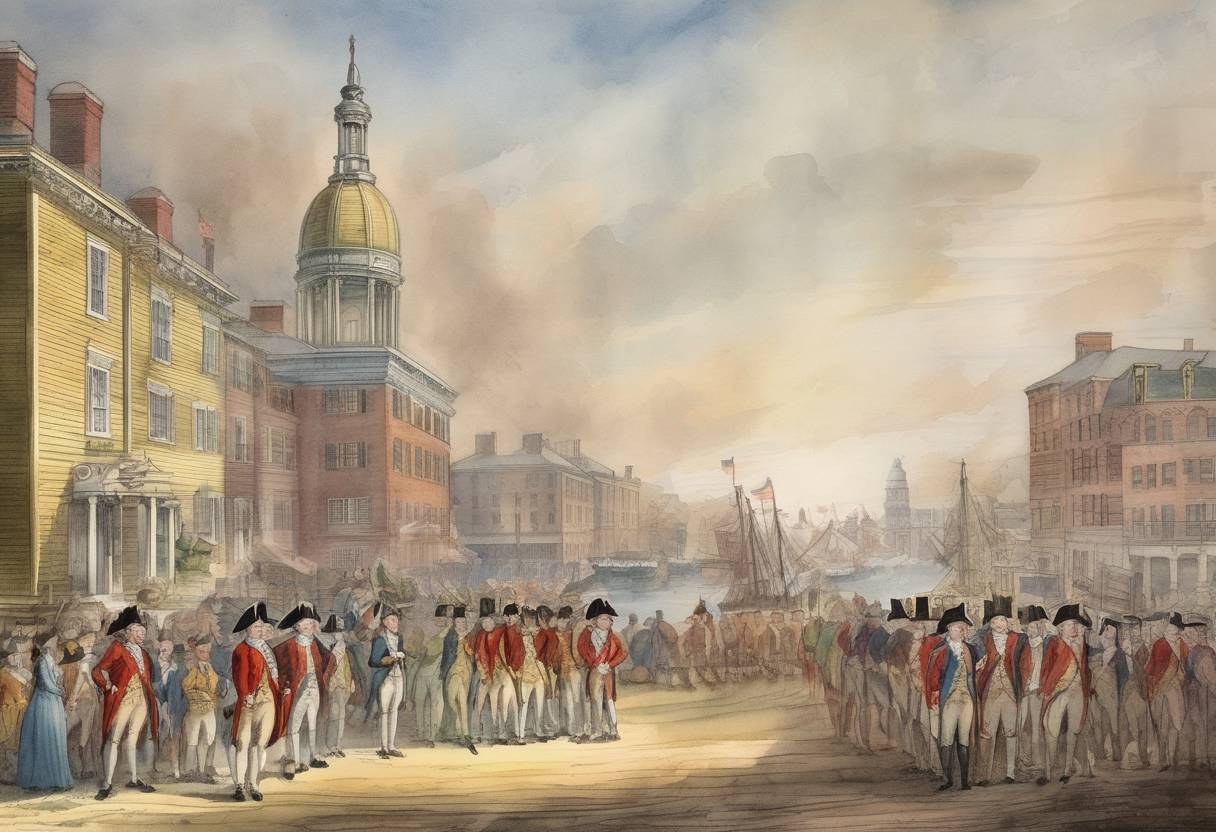
On May 4, 1776, Rhode Island made a historic move by becoming the first American colony to formally renounce its allegiance to King George III of Great Britain. This significant event occurred two months before the Continental Congress adopted the Declaration of Independence, marking a pivotal moment in the American colonies’ journey toward independence.
The American colonies had been experiencing escalating tensions with Great Britain for over a decade. The imposition of various taxes and laws, such as the Stamp Act of 1765 and the Townshend Acts of 1767, had fueled resentment and resistance among the colonists. The situation further deteriorated with events like the Boston Massacre in 1770 and the Boston Tea Party in 1773, leading to the punitive Intolerable Acts in 1774.
Rhode Island, known for its independent spirit and maritime economy, was particularly affected by British trade restrictions. The colony had a history of defying British authority, as seen in the Gaspee Affair of 1772, where Rhode Islanders attacked and burned the British customs schooner HMS Gaspee.
On May 4, 1776, the Rhode Island General Assembly passed an act that officially declared its independence from British rule. The act repealed an earlier law that had required officials to swear allegiance to the British crown. This bold step was driven by the colony’s desire to assert its autonomy and align itself with the growing sentiment for independence among the American colonies.
The act stated that all commissions, writs, and processes would be issued in the name of the colony rather than the king. This legislative move effectively severed Rhode Island’s political ties with Great Britain and set a precedent for other colonies to follow.
Rhode Island’s decision to renounce allegiance to King George III was a precursor to the broader movement for American independence. It demonstrated the colony’s commitment to self-governance and resistance against British oppression. The act also reflected the increasing unity among the colonies as they moved toward a collective declaration of independence.
Two months later, on July 4, 1776, the Continental Congress adopted the Declaration of Independence, formally announcing the American colonies’ separation from Great Britain. Rhode Island’s early renunciation of allegiance was a testament to its pioneering role in the fight for independence and its influence on the revolutionary cause.
In summary, Rhode Island’s action on May 4, 1776, was a courageous and decisive step that contributed to the momentum for American independence, highlighting the colony’s leadership and resolve in the face of imperial challenges.
Source: en.wikipedia.org