Julian Assange Seeks Asylum in the Ecuadorian Embassy
2012 · London, United Kingdom
WikiLeaks founder Julian Assange sought asylum in the Ecuadorian embassy in London to avoid extradition to Sweden over allegations of sexual assault.
April 11, 2019
WikiLeaks founder Julian Assange was arrested by British police at the Ecuadorian Embassy in London after Ecuador withdrew his asylum. He faced extradition to the United States on charges related to the publication of classified documents.
London, United Kingdom | Metropolitan Police Service
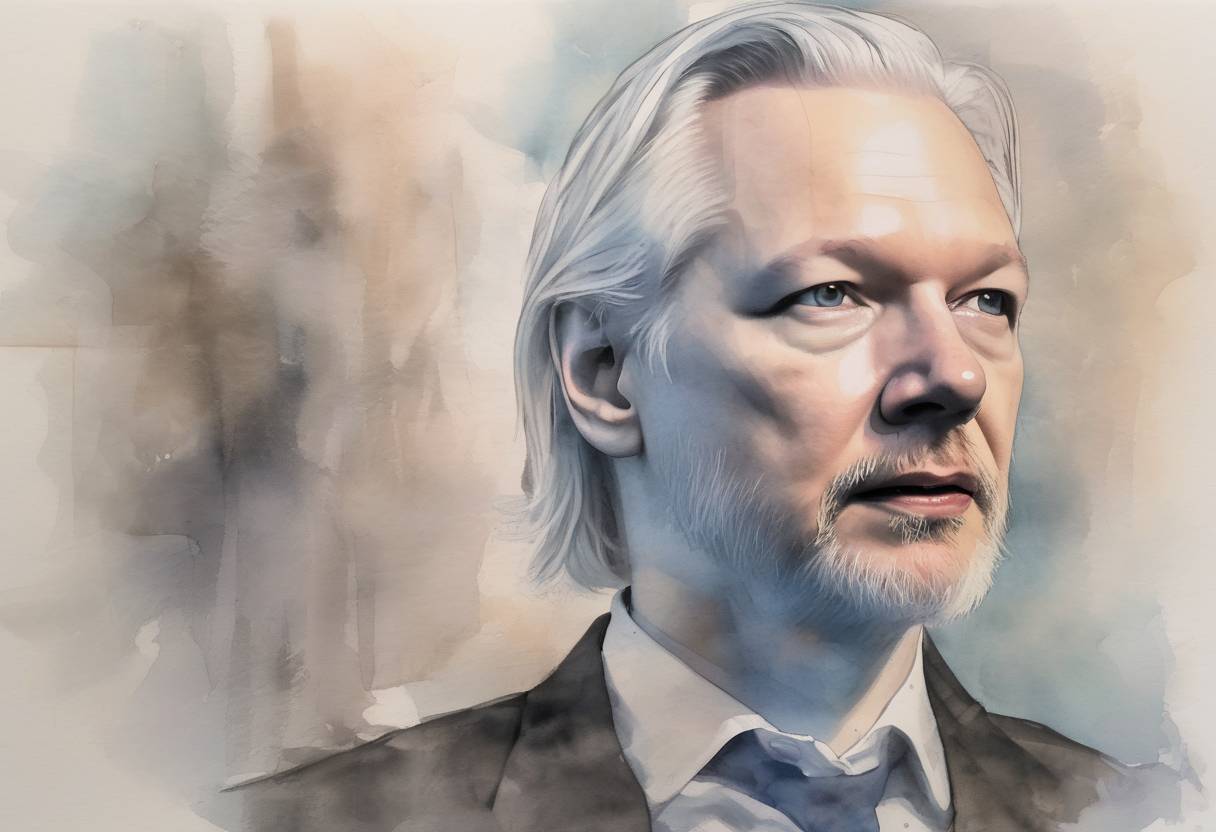
On April 11, 2019, Julian Assange, the founder of WikiLeaks, was arrested by British police at the Ecuadorian Embassy in London. This arrest marked the end of Assange’s nearly seven-year asylum at the embassy, which began in June 2012 when he sought refuge to avoid extradition to Sweden over allegations of sexual assault, which he denied.
Asylum in Ecuadorian Embassy: Assange entered the Ecuadorian Embassy in London in 2012 to avoid extradition to Sweden, fearing that it might lead to his eventual extradition to the United States. Ecuador granted him asylum, citing concerns over potential human rights violations if he were extradited to the U.S.
WikiLeaks and Classified Documents: WikiLeaks, founded by Assange in 2006, gained international attention for publishing classified documents, including U.S. military and diplomatic cables. The most notable releases were in 2010, involving documents provided by former U.S. Army intelligence analyst Chelsea Manning.
Withdrawal of Asylum: On April 11, 2019, Ecuador’s President, Lenín Moreno, announced the withdrawal of Assange’s asylum, citing violations of international conventions and daily life protocols. Moreno accused Assange of interfering in the internal affairs of other states and being discourteous during his stay.
Arrest by British Police: Following the withdrawal of asylum, the Metropolitan Police were invited into the embassy and arrested Assange. He was taken into custody for failing to surrender to the court in 2012, a charge related to his breach of bail conditions.
U.S. Extradition Request: On the same day as his arrest, the U.S. Department of Justice unsealed an indictment against Assange, charging him with conspiracy to commit computer intrusion. The charge was related to Assange’s alleged role in assisting Chelsea Manning in cracking a password to a classified U.S. government computer.
Legal Battle: Assange faced a protracted legal battle over his extradition to the United States. His legal team argued that extradition would pose a threat to press freedom and expose him to inhumane treatment.
Press Freedom Debate: Assange’s arrest and potential extradition raised significant concerns and debates about press freedom, the role of whistleblowers, and the limits of journalistic protection under the law.
Diplomatic Tensions: The incident highlighted diplomatic tensions between Ecuador, the United Kingdom, and the United States, as well as the complexities of international asylum laws.
Assange’s arrest was a pivotal moment in the ongoing saga of WikiLeaks and its impact on global politics and media. The legal proceedings and debates surrounding his case continue to influence discussions on transparency, security, and freedom of the press.
Source: www.bbc.com