Suicide Bombing at a Wedding in Kabul - August 17, 2019
2019 · Kabul, Afghanistan
A suicide bombing at a wedding in Kabul, Afghanistan, kills 63 people and injures over 180. The attack is claimed by ISIS.
July 27, 2016
A suicide bombing occurred at a rally in Kabul, Afghanistan, killing at least 80 people and injuring over 230. The attack was claimed by the Islamic State, targeting the Hazara minority.
Kabul, Afghanistan | Islamic State
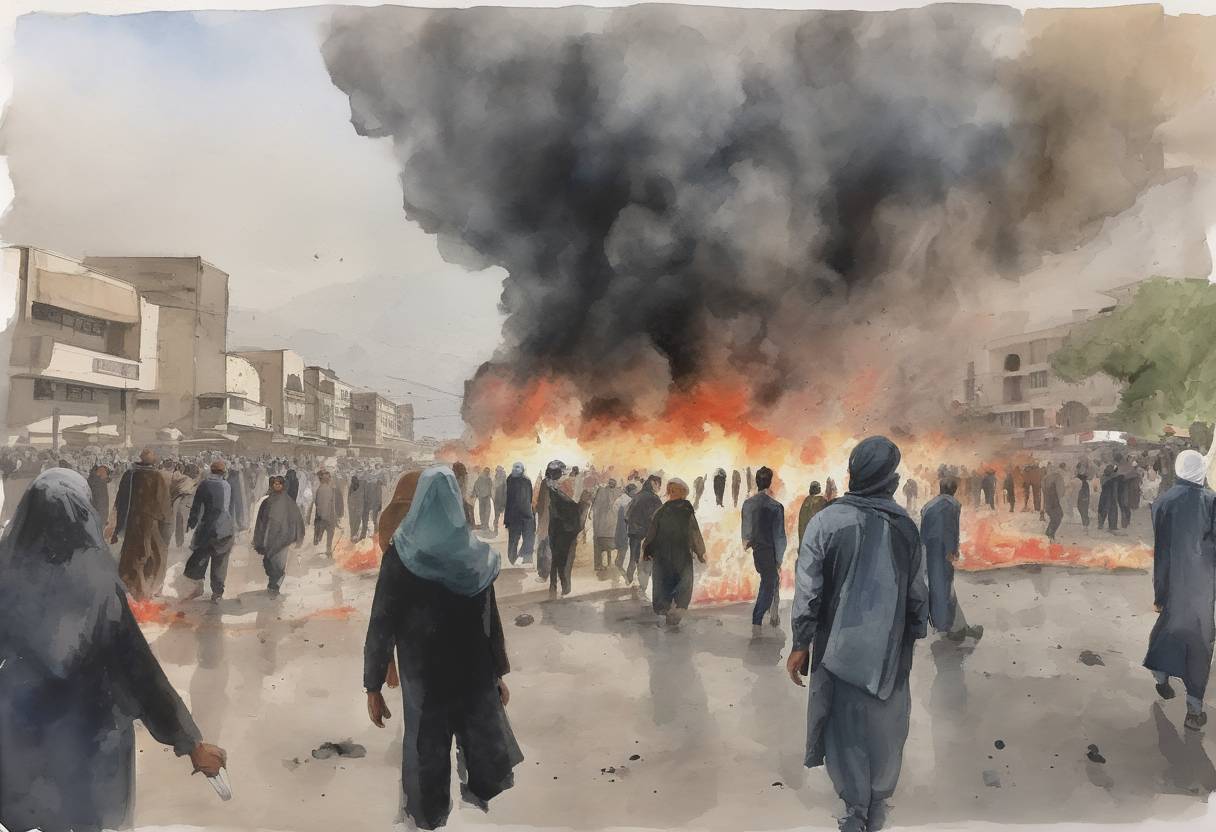
On July 23, 2016, a devastating suicide bombing occurred during a peaceful protest in Kabul, Afghanistan, resulting in the deaths of at least 80 people and injuring over 230 others. This attack was claimed by the Islamic State of Iraq and the Levant (ISIL), marking one of the deadliest assaults in the Afghan capital in recent years.
The Hazara Minority: The protest was organized by the Hazara community, a predominantly Shia Muslim ethnic minority in Afghanistan. Historically, the Hazaras have faced discrimination and persecution, both under the Taliban regime and in the broader socio-political landscape of Afghanistan.
The Protest: The demonstration was part of a series of protests against the government’s decision to reroute a major power line project, known as the TUTAP (Turkmenistan-Uzbekistan-Tajikistan-Afghanistan-Pakistan) power line, away from the Hazara-dominated Bamiyan province. The Hazaras argued that this decision marginalized their community and deprived them of essential infrastructure development.
Location and Method: The attack took place in Deh Mazang Square, where thousands of protesters had gathered. The assault involved multiple suicide bombers, although one of the attackers was reportedly unable to detonate his device.
Casualties: The bombing resulted in at least 80 fatalities and over 230 injuries, making it one of the deadliest attacks in Kabul since the fall of the Taliban in 2001.
Claim of Responsibility: ISIL quickly claimed responsibility for the attack, highlighting their intent to target Shia Muslims, whom they consider heretics. This marked a significant escalation in ISIL’s activities in Afghanistan, as they sought to expand their influence and sow sectarian discord.
Security and Political Impact: The attack underscored the deteriorating security situation in Afghanistan, raising concerns about the government’s ability to protect its citizens. It also highlighted the growing threat posed by ISIL in the region, which had previously been dominated by the Taliban.
Community Response: The Hazara community, already feeling marginalized, was further aggrieved by the attack. The incident intensified calls for better protection and representation of minority groups within Afghanistan.
International Reaction: The international community condemned the attack, with various countries and organizations expressing solidarity with Afghanistan and the Hazara community. The attack was seen as a brutal reminder of the ongoing challenges in achieving peace and stability in the region.
This tragic event highlighted the complex interplay of ethnic tensions, insurgency, and geopolitical struggles in Afghanistan. It served as a stark reminder of the vulnerabilities faced by minority communities and the persistent threat of extremist violence in the country. The attack also emphasized the need for comprehensive strategies to address both the immediate security challenges and the underlying socio-political issues in Afghanistan.
Source: en.wikipedia.org