Execution of Catherine Howard: February 13, 1542
1542 · London, England
Catherine Howard, the fifth wife of King Henry VIII of England, was executed for adultery.
July 28, 1540
Thomas Cromwell, chief minister to King Henry VIII of England, was executed on charges of treason and heresy.
London, England | Kingdom of England
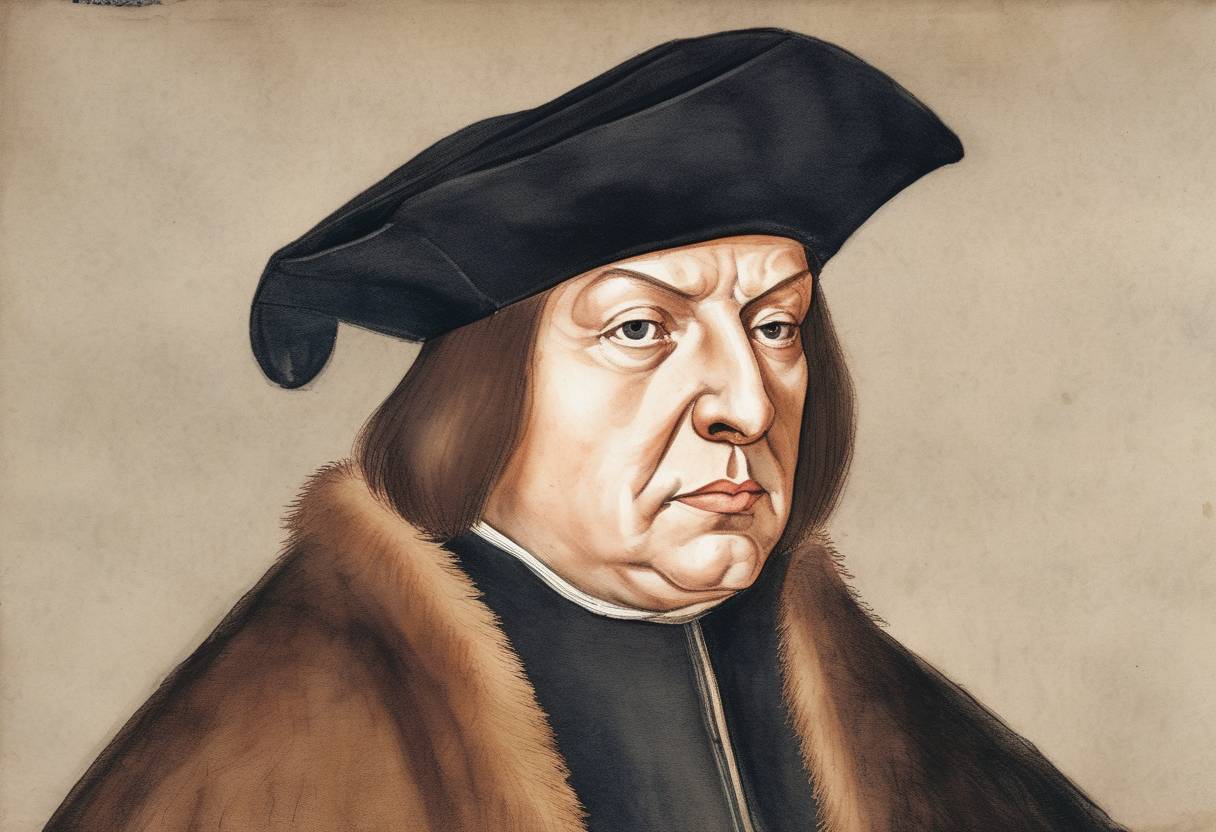
Thomas Cromwell, a pivotal figure in the English Reformation and chief minister to King Henry VIII, was executed on July 28, 1540. His downfall marked a significant turning point in the Tudor court and the broader religious and political landscape of England.
Thomas Cromwell rose from humble beginnings to become one of the most powerful men in England. Born around 1485, he initially worked as a merchant and lawyer before entering the service of Cardinal Thomas Wolsey, Henry VIII’s chief advisor. After Wolsey’s fall from grace, Cromwell’s political acumen and support for the King’s desire to annul his marriage to Catherine of Aragon brought him to the forefront of English politics.
The English Reformation: Cromwell was instrumental in the English Reformation, helping to engineer the break with the Roman Catholic Church. He played a crucial role in the establishment of the Church of England, with the King as its Supreme Head.
Dissolution of the Monasteries: One of Cromwell’s most significant achievements was the Dissolution of the Monasteries (1536-1541), which involved the closure and appropriation of monastic lands and wealth, significantly increasing the Crown’s revenues.
Legal and Administrative Reforms: Cromwell implemented numerous reforms that modernized the administration of government, including the introduction of more efficient legal processes and the expansion of royal authority.
Despite his successes, Cromwell’s influence and reformist zeal earned him many enemies at court. His downfall was precipitated by several factors:
Marriage to Anne of Cleves: Cromwell arranged Henry VIII’s marriage to Anne of Cleves, a political alliance that quickly soured. The King’s dissatisfaction with Anne provided Cromwell’s rivals with an opportunity to undermine him.
Political Enemies: Key figures, including the Duke of Norfolk and other conservative nobles, capitalized on the King’s displeasure to orchestrate Cromwell’s arrest.
Charges of Treason and Heresy: Cromwell was accused of treason and heresy, charges that were likely politically motivated. He was arrested on June 10, 1540, and imprisoned in the Tower of London.
On July 28, 1540, Thomas Cromwell was executed by beheading on Tower Hill. His execution was a dramatic fall from power, and he was denied a trial, reflecting the volatile nature of Tudor politics.
Cromwell’s execution marked a temporary setback for the Protestant Reformation in England, as conservative factions regained influence. However, his reforms had a lasting impact on the English state, laying the groundwork for future administrative and religious changes.
Cromwell’s life and career remain subjects of significant historical interest, illustrating the complexities of power, religion, and politics in Tudor England. His legacy is a testament to the transformative and often perilous nature of political service in the court of Henry VIII.
Source: en.wikipedia.org