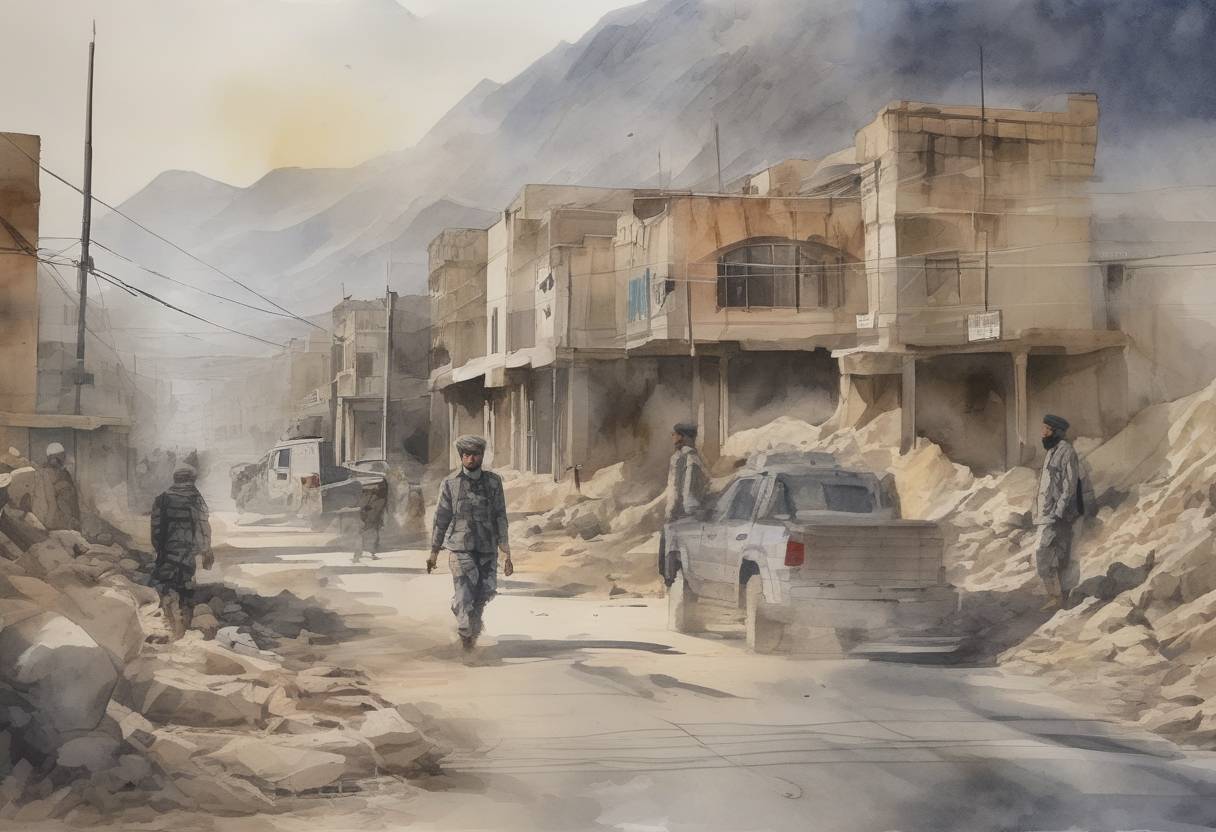
The Fall of Kabul: August 15, 2021
On August 15, 2021, the Taliban captured Kabul, the capital of Afghanistan, marking a pivotal moment in the country’s history and effectively ending the U.S.-led war in Afghanistan. This event was the culmination of a rapid offensive by the Taliban, which had gained momentum following the withdrawal of U.S. and NATO forces.
Context and Background
U.S. Involvement: The United States, along with NATO allies, had been involved in Afghanistan since 2001, following the September 11 attacks. The primary objective was to dismantle al-Qaeda and remove the Taliban from power to prevent future terrorist threats.
Peace Talks and Withdrawal: In February 2020, the U.S. and the Taliban signed the Doha Agreement, which outlined the withdrawal of U.S. troops in exchange for Taliban guarantees to prevent terrorism and engage in peace talks with the Afghan government. The Biden administration announced in April 2021 that U.S. forces would withdraw by September 11, 2021.
Key Events Leading to the Fall
Taliban Offensive: As U.S. and NATO forces began their withdrawal, the Taliban launched a series of offensives across Afghanistan. By August 2021, they had captured several key cities and provinces with little resistance from Afghan forces.
Collapse of Afghan Forces: The rapid advance of the Taliban was facilitated by the collapse of Afghan security forces, which were plagued by issues such as corruption, low morale, and lack of support following the withdrawal of international troops.
The Capture of Kabul
Entry into Kabul: On August 15, 2021, Taliban forces entered Kabul with minimal resistance. Afghan President Ashraf Ghani fled the country, effectively leading to the collapse of the Afghan government.
Scenes of Chaos: The fall of Kabul was marked by chaotic scenes at Hamid Karzai International Airport, where thousands of Afghans and foreign nationals attempted to flee the country. The U.S. and its allies conducted a massive evacuation operation to airlift their citizens and vulnerable Afghans.
Aftermath and Consequences
End of the U.S.-Led War: The capture of Kabul signified the end of the 20-year U.S.-led military presence in Afghanistan, which had been the longest war in American history.
Taliban Rule: The Taliban’s return to power raised concerns about human rights, particularly for women and minorities, and the potential for Afghanistan to become a haven for terrorist groups once again.
International Response: The international community faced challenges in dealing with the new Taliban regime, balancing humanitarian aid with concerns over legitimizing their rule.
Broader Historical Significance
The fall of Kabul and the subsequent Taliban takeover underscored the complexities of nation-building and counterinsurgency efforts. It prompted widespread reflection on the costs and outcomes of the two-decade-long intervention in Afghanistan, influencing future foreign policy and military strategies worldwide.