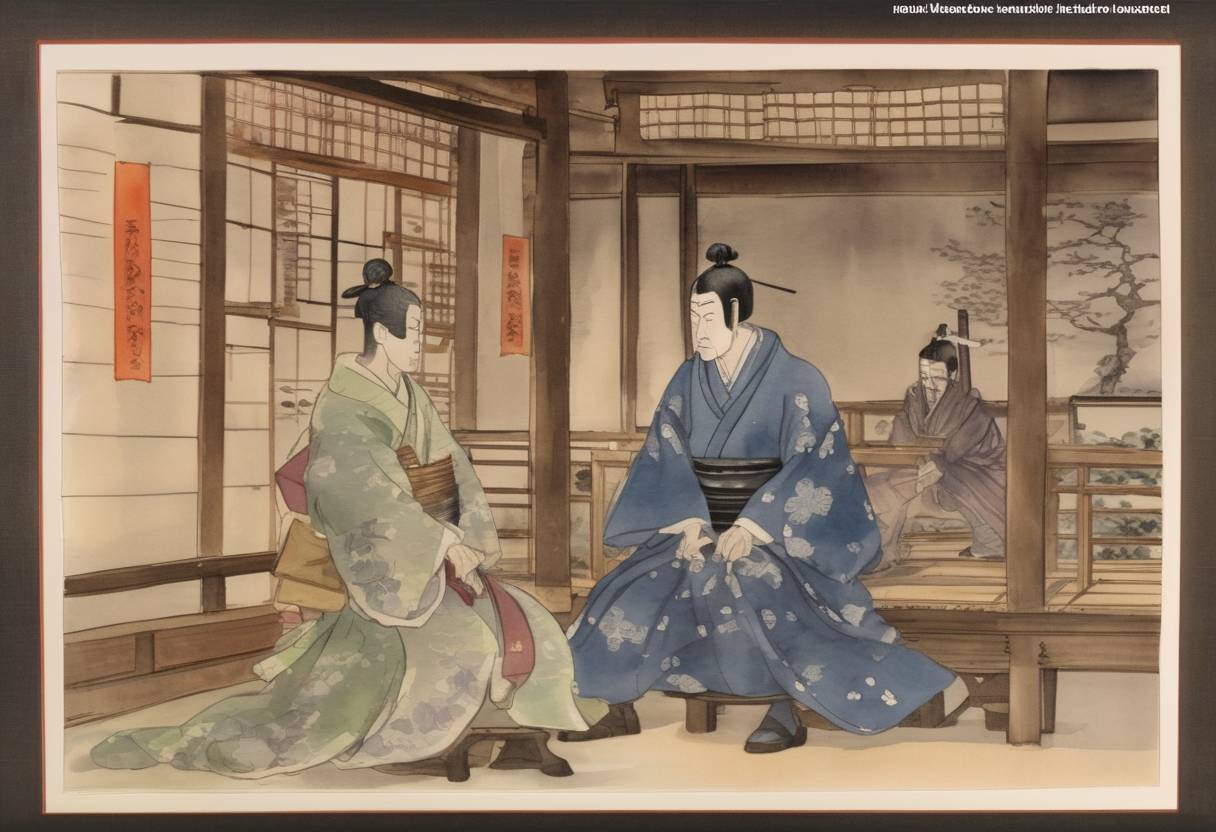
Minamoto no Yoritomo Becomes the First Shogun of the Kamakura Shogunate
On August 21, 1192, Minamoto no Yoritomo was appointed as the first shogun of the Kamakura Shogunate, marking a significant turning point in Japanese history. This event established the shogunate system, which would dominate Japanese politics for centuries.
Historical Context
The Genpei War (1180-1185)
The rise of Minamoto no Yoritomo is rooted in the Genpei War, a conflict between the Taira and Minamoto clans. This war was a struggle for power that erupted due to the declining influence of the imperial court and the increasing power of warrior clans.
- Taira Clan: Initially dominant, controlling the imperial court.
- Minamoto Clan: Opponents of the Taira, seeking to restore their influence.
Yoritomo’s Leadership
Minamoto no Yoritomo emerged as a key leader of the Minamoto clan. After a series of battles, including the decisive Battle of Dan-no-ura in 1185, the Minamoto clan defeated the Taira, leading to the latter’s downfall.
Establishment of the Kamakura Shogunate
Appointment as Shogun
Following his victory, Yoritomo sought to consolidate his power. On August 21, 1192, he was appointed as “Sei-i Taishogun” (Barbarian-subduing Great General) by Emperor Go-Toba. This title effectively made him the military ruler of Japan, although the emperor remained the nominal head of state.
Kamakura as the Power Center
Yoritomo established his government in Kamakura, a city strategically located away from the traditional political center of Kyoto. This move symbolized the shift of power from the aristocratic court to the military class.
Significance and Consequences
Feudal System
The establishment of the Kamakura Shogunate marked the beginning of the feudal era in Japan. The shogunate system centralized military power under the shogun, while local lords, or daimyo, governed their domains with relative autonomy.
Decline of Imperial Power
The shogunate system significantly reduced the political power of the emperor and the court, which became more ceremonial over time.
Legacy
The Kamakura Shogunate set a precedent for future shogunates, such as the Ashikaga and Tokugawa, which continued to shape Japan’s political landscape until the Meiji Restoration in the 19th century.
In summary, Minamoto no Yoritomo’s appointment as shogun on August 21, 1192, was a pivotal moment in Japanese history, establishing a new political order that emphasized military rule and laid the foundation for Japan’s feudal era.