The Ratification of the Twenty-second Amendment
1951 · Washington, D.C., United States
The Twenty-second Amendment to the United States Constitution is ratified, limiting Presidents to two terms.
January 23, 1933
The 20th Amendment to the United States Constitution is ratified, changing the beginning and ending of the terms of the president and vice president from March 4 to January 20.
Washington, D.C., United States | U.S. Government
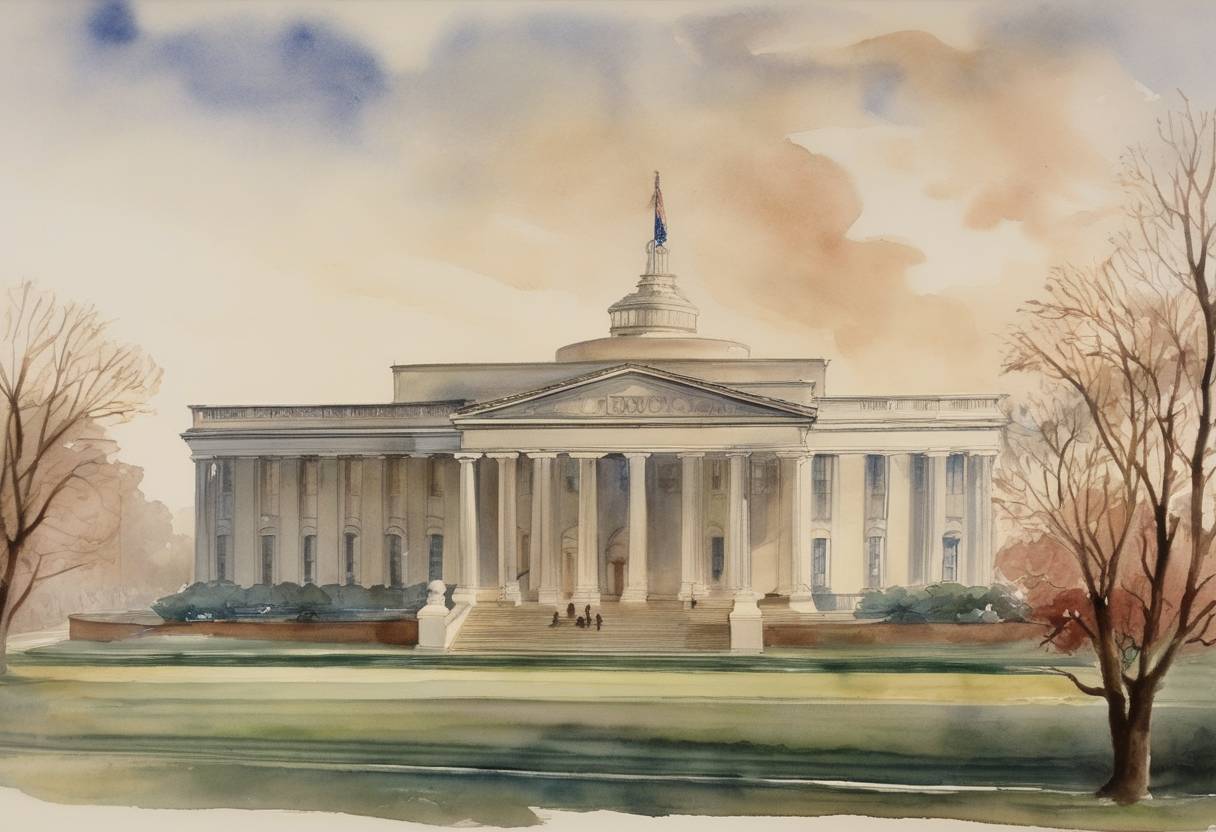
On January 23, 1933, the 20th Amendment to the United States Constitution was ratified, marking a significant change in the political landscape of the United States. This amendment, often referred to as the “Lame Duck Amendment,” was designed to alleviate the issues associated with the long waiting period between election results and the beginning of the newly elected officials’ terms.
Prior to the ratification of the 20th Amendment, the terms of the President and Vice President started on March 4, following elections held in November of the previous year. This four-month gap often led to a period of reduced effectiveness, as outgoing politicians (known as “lame ducks”) held power while awaiting the transition to the newly elected officials. This delay was largely logistical, stemming from the era when slower communication and transportation methods required more time for election results to be compiled and verified.
The 20th Amendment made several key changes to the Constitution:
The ratification of the 20th Amendment had an immediate and lasting impact on U.S. governance:
The 20th Amendment was instrumental in modernizing the U.S. political process, ensuring a more timely transition of power and reducing periods of political ineffectiveness. It has continued to govern the time frames for presidential and congressional terms, reflecting ongoing efforts to adapt the constitutional framework to contemporary needs. Its ratification demonstrates the ability of the United States to reform its Constitution to better serve the changing requirements of governance.