February 13, 2021: Major Winter Storm Impacts the United States
2021 · Texas, United States
A major winter storm begins to impact the United States, leading to widespread power outages and disruptions, particularly in Texas.
February 15, 2021
Severe winter storms hit Texas, resulting in widespread power outages and water supply issues, affecting millions of residents.
Various cities, United States | ERCOT (Electric Reliability Council of Texas)
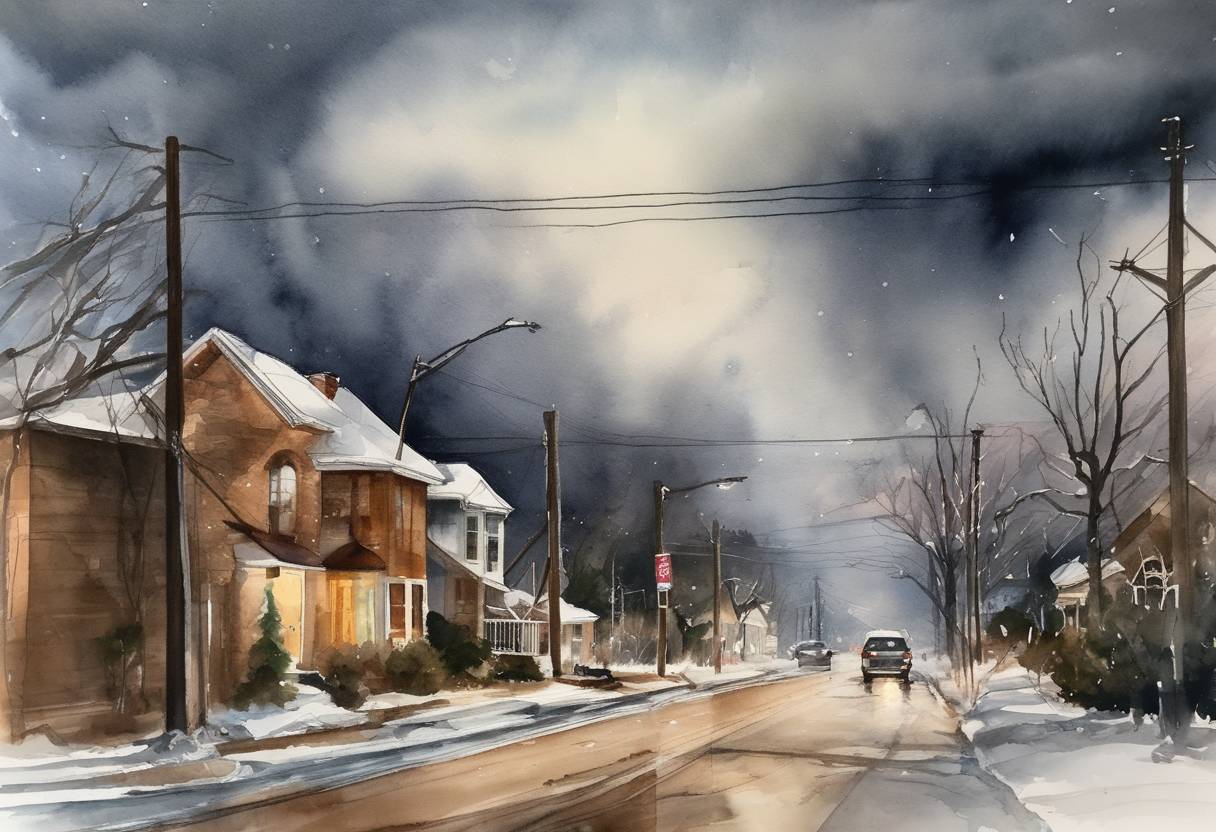
On February 15, 2021, Texas experienced a historic and severe winter storm, part of a larger event referred to as the February 2021 North American cold wave. This event had widespread and devastating effects across the state, which is unaccustomed to such extreme winter conditions.
The storm was part of a series of winter weather events driven by an unusual polar vortex shift, which sent frigid temperatures as far south as Texas. The state’s infrastructure was largely unprepared for prolonged freezing temperatures, leading to catastrophic failure of essential services.
In the weeks following the storm, there was significant scrutiny over Texas’s energy policies and infrastructure resilience. Questions were raised about the state’s decision to deregulate and isolate its power grid, as well as its lack of preparedness for severe cold weather. The events of February 2021 prompted discussions about winterizing energy infrastructure and improving emergency response protocols to mitigate future disasters.
This event underscored vulnerabilities in Texas’s infrastructure against extreme weather exacerbated by climate change. It highlighted the critical need for energy systems modernization and adaptation to changing climate patterns. The storm also spurred debates on energy independence versus interconnection for better grid resilience.
The February 2021 winter storm epitomized the cascading impacts that extreme weather events can have on modern societies, serving as a stark reminder of the importance of preparedness and infrastructure robustness.
Source: www.bbc.com