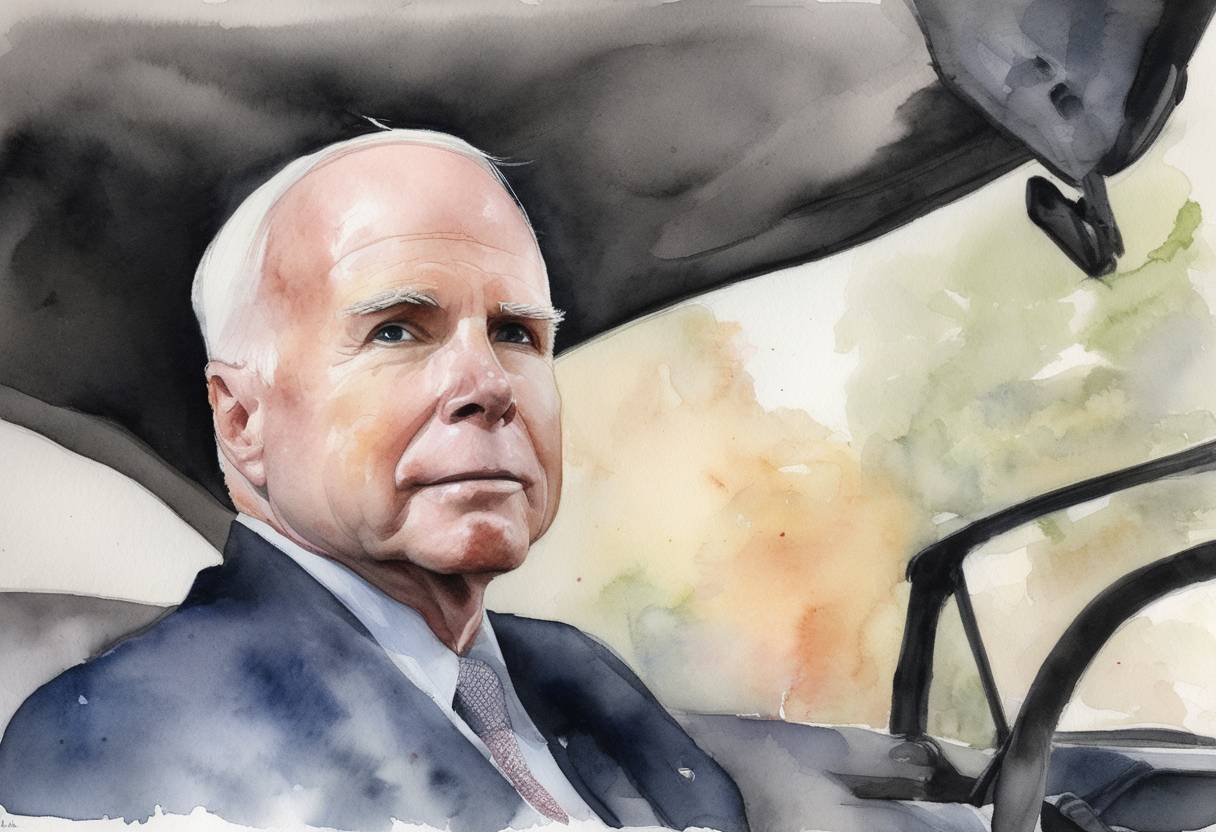
John McCain’s Decision to Discontinue Cancer Treatment
On August 24, 2018, John McCain, the esteemed six-term U.S. Senator from Arizona and two-time presidential candidate, made the profound decision to discontinue medical treatment for glioblastoma, an aggressive form of brain cancer. This decision marked the culmination of his courageous battle with the illness, which was diagnosed in July 2017 following a procedure to remove a blood clot.
Background and Medical Condition
Glioblastoma is known for its aggressive nature and poor prognosis, often leaving patients and their families with difficult choices. McCain’s diagnosis came as a shock to the nation, given his prominent role in American politics and his reputation for resilience. Despite undergoing treatment, which included surgery, radiation, and chemotherapy, the insidious nature of glioblastoma typically leads to a challenging fight.
McCain’s Political Legacy
John McCain’s decision was not made lightly; it reflected his characteristic determination and pragmatism. Serving as a senator since 1987, McCain was known for his maverick persona, often crossing party lines in pursuit of bipartisan solutions. His service extended beyond politics; as a Navy pilot during the Vietnam War, he was shot down and held as a prisoner of war for over five years. McCain’s storied career included significant contributions to national defense, foreign affairs, and veterans’ issues.
The Aftermath
Following the announcement on August 24, recognition and tributes came from across the political spectrum. His colleagues in Washington and citizens nationwide offered support and well-wishes, underscoring the profound respect McCain had earned over decades of public service. His decision to halt treatment was seen as an embodiment of his enduring ethos, facing the inevitable with dignity and control.
John McCain’s legacy, defined by his service to his country and commitment to principles, would continue to shape political discourse in the years following his departure from active politics. His life and choices remain subjects of admiration and study for their impact on American society and governance.