The Supernova SN 1054 and the Creation of the Crab Nebula
1054 · N/A, China
The supernova SN 1054 is observed by Chinese astronomers, leading to the creation of the Crab Nebula.
May 1, 1006
The supernova SN 1006, the brightest supernova in recorded history, was first observed. It was visible across a portion of the sky in the constellation of Lupus and was recorded by observers in China, Egypt, Iraq, Italy, Japan, and Switzerland.
Not applicable, Not applicable | Not applicable
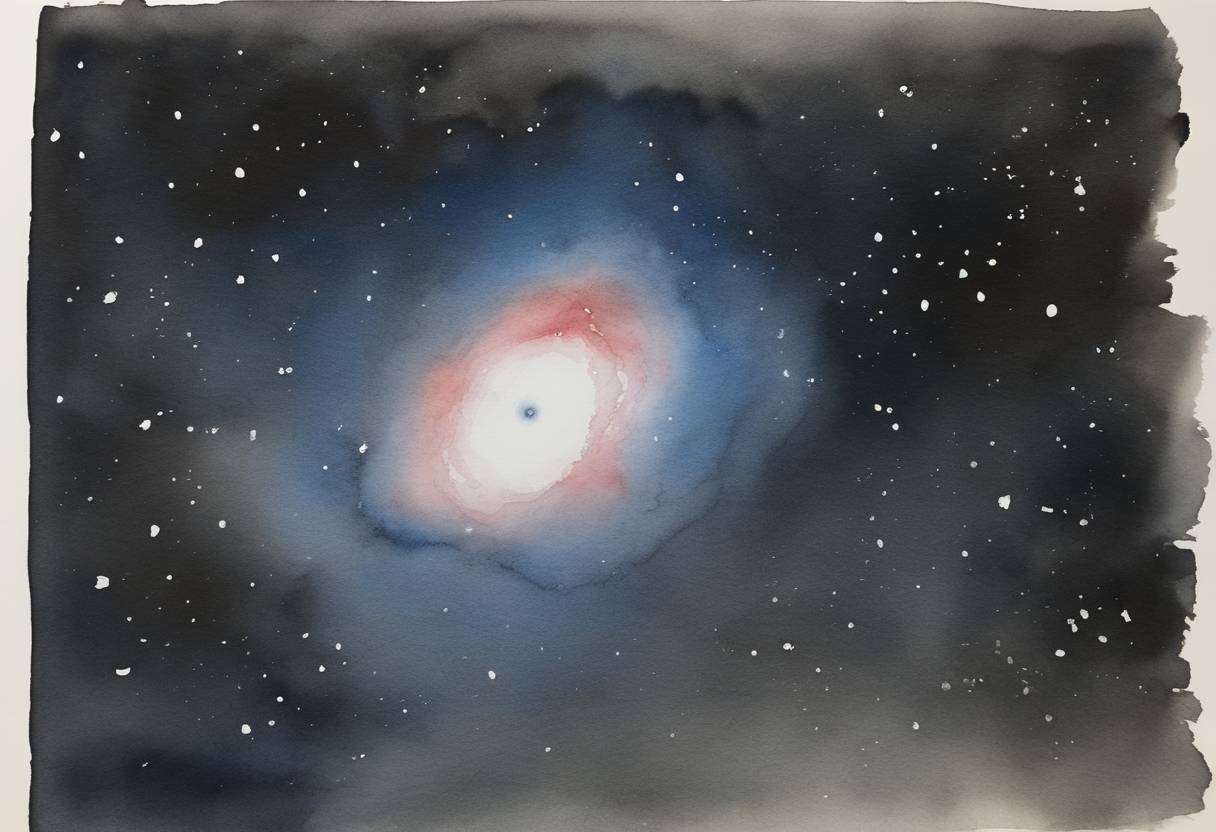
On May 1, 1006, astronomers and sky watchers across the globe observed the supernova SN 1006, which is the brightest supernova recorded in history. This astronomical event was exceptionally luminous and was visible in broad daylight for several weeks.
The supernova appeared in the constellation of Lupus. Historical records document observations from various cultures:
The supernova’s brightness was unprecedented—it was thought to be about 16 times brighter than Venus and visible even during the day for several weeks. At night, it cast shadows, a testament to its intensity and proximity compared to other known supernovae.
Historic and modern analysis suggests that SN 1006 was of Type Ia, which occurs in binary systems when a white dwarf accretes matter from a companion star until reaching a critical mass and undergoing a thermonuclear explosion. This type of supernova is important for understanding cosmic distances due to its consistent luminosity.
The supernova SN 1006 stands as a landmark in both historical and astronomical studies, demonstrating the enduring human pursuit of knowledge about the universe.
Source: en.wikipedia.org