Repeal of Prohibition: Ratification of the 21st Amendment
1933 · Washington D.C., United States
The United States ratified the 21st Amendment to the Constitution, officially repealing the 18th Amendment, which had established Prohibition.
April 7, 1933
The Prohibition of alcohol in the United States is effectively ended when the Cullen-Harrison Act becomes law, allowing the sale of beer and wine with a low alcohol content.
Washington, D.C., United States | United States Congress
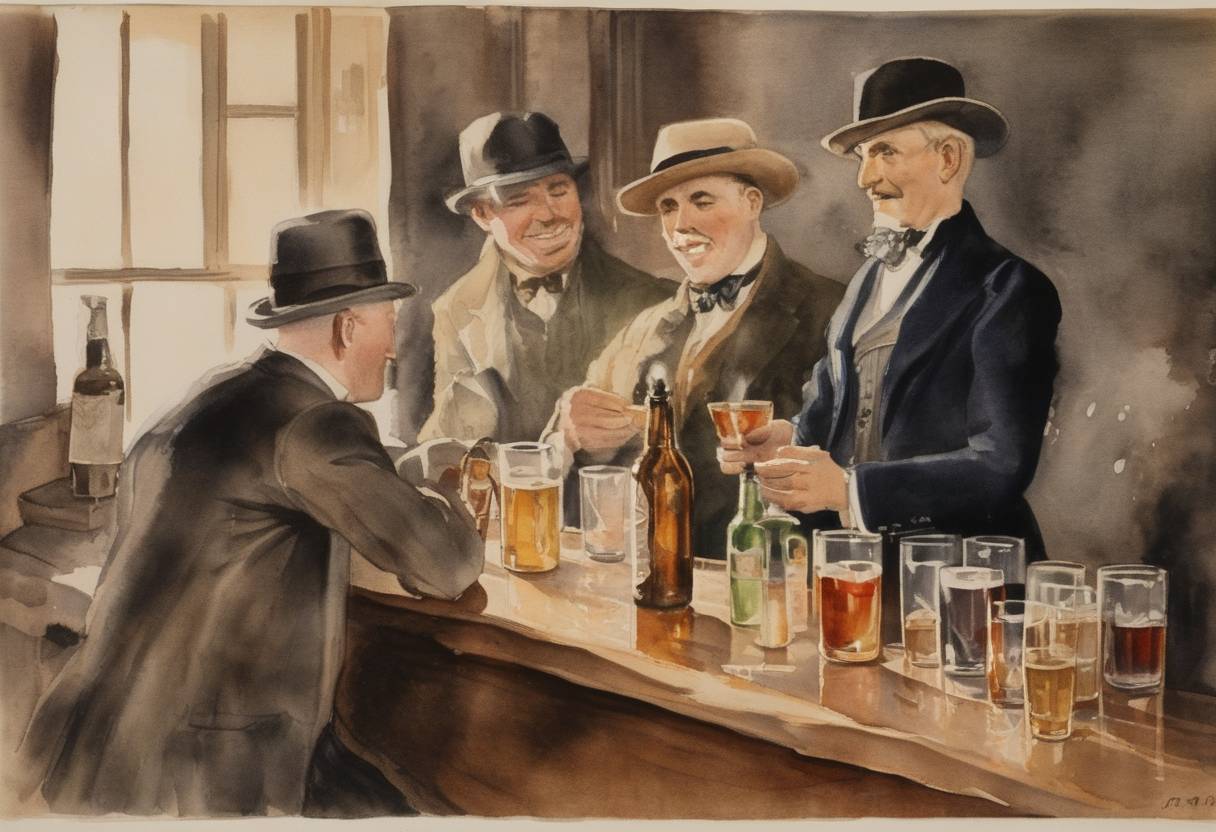
On April 7, 1933, a significant moment in American history unfolded as the Cullen-Harrison Act went into effect, signaling the initial decline of the Prohibition era. This legislation allowed for the legal sale of beer and wine with an alcohol content of up to 3.2% by weight, marking a pivotal shift in federal policy regarding alcohol regulation.
The Prohibition era began on January 17, 1920, when the Eighteenth Amendment to the United States Constitution was implemented, along with the Volstead Act. This legislation prohibited the manufacture, sale, and transportation of intoxicating liquors within the United States. Prohibition was intended to curb alcohol consumption and its associated social issues, but it led to unintended consequences instead.
During the 1920s, illegal speakeasies flourished, organized crime took control of the lucrative bootlegging market, and public sentiment increasingly turned against the restrictions. By the early 1930s, the Great Depression further shifted public opinion, as many saw the potential for economic relief through the regulation and taxation of alcohol.
The Cullen-Harrison Act was introduced by Representative Thomas H. Cullen of New York and Senator Pat Harrison of Mississippi. President Franklin D. Roosevelt signed the act into law on March 22, 1933, which became effective on April 7 of the same year. The legislation was a strategic step toward repealing Prohibition, a campaign that Roosevelt supported as part of his broader New Deal policies intended to revive the American economy.
With the enactment of the Cullen-Harrison Act, April 7, 1933, became known as “New Beer’s Eve,” as breweries across the country prepared their stocks. This day was celebrated as a return to legal brewing and consumption, marking a cultural and economic shift. Cities like St. Louis saw thousands flocking to breweries, eager to legally purchase and consume beer for the first time in over a decade.
The Cullen-Harrison Act was a precursor to the full repeal of Prohibition, which formally occurred with the ratification of the Twenty-first Amendment to the United States Constitution on December 5, 1933. This amendment nullified the Eighteenth Amendment, ending the nationwide prohibition of alcohol.
The end of Prohibition profoundly impacted American society. It led to the revival of the beverage industry, created numerous jobs, and generated significant tax revenue for the government. It also reversed a decade of federal enforcement challenges and widespread unlawful activities associated with the ban on alcohol.
The Cullen-Harrison Act remains a critical juncture in U.S. history, exemplifying how public opinion, economic necessity, and legislative action converged to bring about change, reshaping American social and economic landscapes.
Source: en.wikipedia.org