2005 · Yangon, Myanmar
The Saffron Revolution's largest protest in Myanmar, with over 10,000 demonstrators, takes place. The protests marked a significant challenge to the military junta.
February 27, 2021
Protests took place across Myanmar against the military coup that occurred on February 1, 2021. February 27 saw one of the deadliest days of the protests, with significant violence reported as security forces used live ammunition against demonstrators, resulting in numerous fatalities.
Yangon, Myanmar | Government of Myanmar
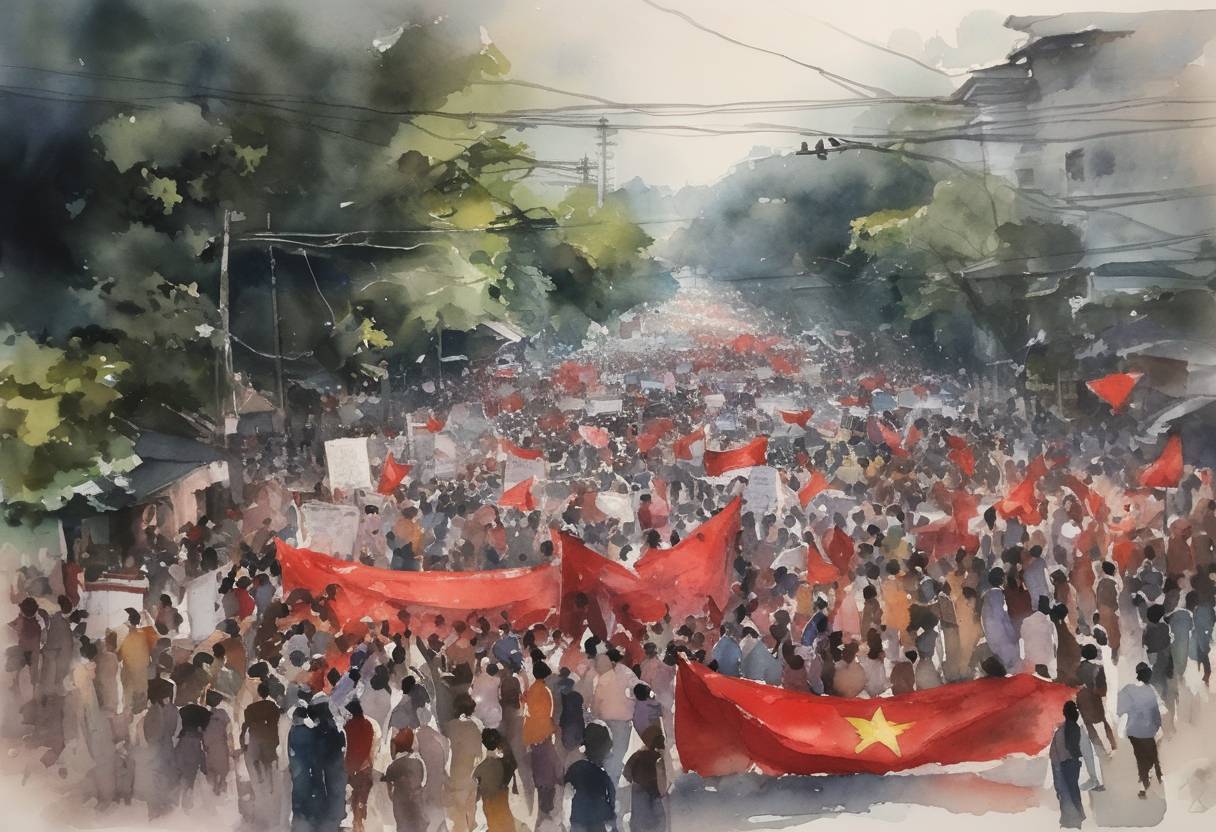
On February 27, 2021, Myanmar experienced one of the bloodiest days since the military coup on February 1, 2021. The coup, which saw the ousting of the democratically elected government led by Aung San Suu Kyi, triggered widespread protests across the country. Demonstrators demanded the restoration of civilian rule and the release of detained leaders.
Nationwide Protests: On this day, thousands of people took to the streets in various cities and towns across Myanmar, including the largest city, Yangon, as well as Mandalay and Naypyidaw. Protestors ranged from young students to workers from different sectors, all uniting to resist the military’s power grab.
Escalation of Violence: Security forces escalated their crackdown on protestors, employing increased force to disperse demonstrations. The use of live ammunition, rubber bullets, and tear gas against unarmed civilians was reported in multiple locations.
Number of Fatalities and Injuries: According to reports, at least 18 people were killed and dozens wounded as security forces opened fire on protestors. This marked February 27 as one of the deadliest days since the coup’s onset. The crackdown reflected the military’s growing impatience and disregard for international calls to exercise restraint.
International Reactions: The violence on February 27 drew widespread condemnation from the international community. The United Nations and various human rights organizations criticized the use of lethal force against demonstrators and called for an end to the military’s oppressive tactics.
The February 1 coup and the subsequent crackdown highlight the military’s long-standing influence in Myanmar’s politics, despite a decade of democratic reforms. Historically, the military, known as the Tatmadaw, has wielded significant power, and the coup underscored its unwillingness to relinquish control.
The events of February 27 further galvanized domestic resistance and reinforced calls for international action. The brutal response by security forces served to strengthen the resolve of many demonstrators, who continued to defy military authority in subsequent protests.
The violence and fatalities contributed to a cycle of protests and repression, deepening the crisis in Myanmar. The continued unrest and international pressure eventually led to more profound international isolation for Myanmar’s military government. The political situation remains tense, with ongoing demands for a return to democratic governance and accountability for human rights violations committed by the military.
The events of February 27 stand out as a significant point in the ongoing struggle between pro-democracy forces and military rule in Myanmar, marking the high human cost of the pursuit of democratic freedoms.
Source: www.bbc.com